A Nigerian mother has revealed that her son was mistakenly believed to have a brain tumour, only for investigations to uncover that he had been poisoned with excessive vitamin D. The case has sparked concern over healthcare misdiagnoses and the need for better medical oversight in the country. The incident took place in Lagos, where the child was treated at a private clinic before the true cause of his symptoms was discovered.
Medical Misdiagnosis Sparks National Concern
The mother, who wishes to remain anonymous, said her son began experiencing severe headaches and dizziness, leading her to seek urgent medical help. Initial tests at a Lagos clinic suggested a brain tumour, causing immense distress for the family. “We were told he needed immediate surgery,” she said. “It was only after a second opinion that we found out it was vitamin D poisoning.”
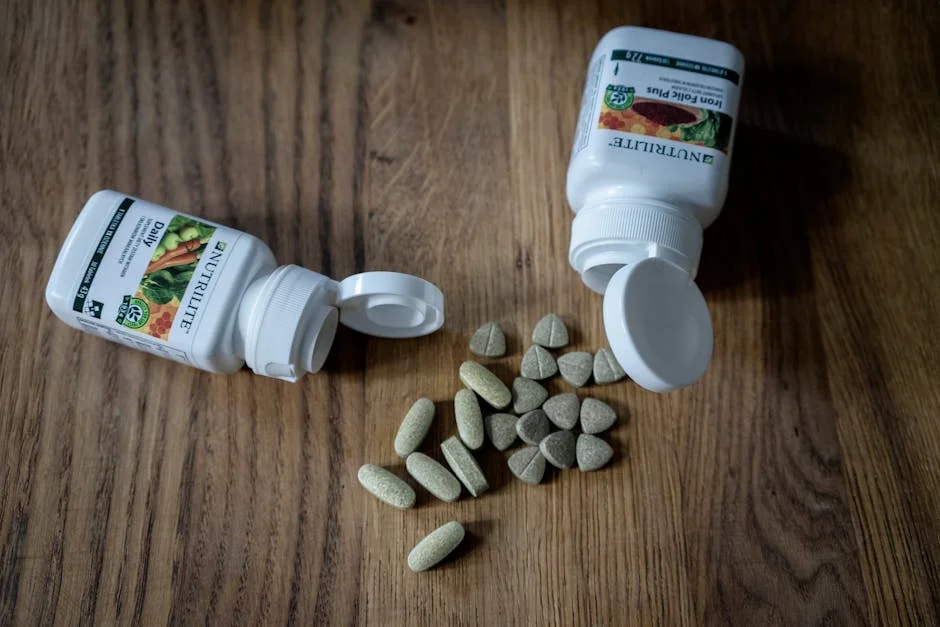
Health officials in Lagos have since launched an investigation into the clinic’s diagnostic procedures. Dr. Adebayo Adeyemi, a neurologist at the Lagos University Teaching Hospital, noted that vitamin D toxicity is rare but can lead to severe neurological symptoms. “This case highlights the importance of accurate diagnosis and the need for better training for medical professionals,” he said.
Investigations Reveal Systemic Gaps
The incident has prompted calls for stricter oversight of private medical facilities in Nigeria. According to the Nigerian Medical Association, over 60% of private clinics lack proper accreditation, raising concerns about the quality of care provided. The case has also drawn attention to the lack of access to second opinions, particularly in lower-income communities.
Health Minister Dr. Osita Nwagbogu has announced that the Ministry of Health will conduct a nationwide review of diagnostic practices. “This is a wake-up call for the entire healthcare system,” he said. “We must ensure that patients receive accurate and timely care to prevent such tragedies.”
Impact on Public Trust and Policy
The case has shaken public confidence in the healthcare system, with many questioning the reliability of medical diagnoses. A recent survey by the Nigeria Health Watch organisation found that 72% of Nigerians fear misdiagnosis, with many citing lack of transparency and accountability in hospitals.
Advocacy groups are now pushing for legislative reforms to improve patient rights and medical accountability. “This is not just about one case,” said Nia Okafor, a health rights campaigner. “It’s about ensuring that no family has to go through this again.”
Investigations and Next Steps
The Lagos State Health Commission has begun inspecting the clinic involved in the case, while the National Agency for Food and Drug Administration and Control is reviewing the vitamin D products used. The mother has also filed a formal complaint with the Nigerian Medical Council, demanding accountability.
Public hearings are expected to be held in the coming weeks, with the aim of identifying systemic flaws in the healthcare sector. Meanwhile, the Ministry of Health has pledged to introduce new guidelines for diagnostic procedures, including mandatory second opinions for critical cases.
Looking Ahead: A Call for Reform
The case has become a catalyst for broader discussions on healthcare reform in Nigeria. With the 2025 African Development Goals emphasizing improved health outcomes, this incident underscores the need for stronger oversight and better access to quality care. The government has also been urged to increase funding for medical training and infrastructure.
As investigations continue, the focus will shift to how the healthcare system can prevent similar cases. The next few months will be critical in determining whether this tragedy leads to meaningful change. For now, the mother remains hopeful that her son’s story will serve as a turning point for medical accountability in Nigeria.
See Also
- Joachim Trier's 'Sentimental Value' Sparks Debate on Capitalism and Identity
- Grande Lisboa Faces €270 Million Loss Amid Infrastructure Challenges