The Iranian government has issued a stern warning to international tanker operators, urging them not to pay tolls for passage through the strategic Strait of Hormuz. The statement comes as global energy markets brace for potential disruptions, with the strait serving as a critical artery for 20% of the world’s oil supply. The move has drawn attention from African nations, including Nigeria, which relies heavily on stable global trade for its economic growth.
Strategic Importance of the Strait of Hormuz
The Strait of Hormuz, a narrow waterway between Iran and Oman, is one of the world’s most vital maritime routes. It handles approximately 17 million barrels of oil per day, with countries like Nigeria depending on it for imports and exports. The recent Iranian directive has raised concerns over potential disruptions, which could ripple across global markets and affect African economies.
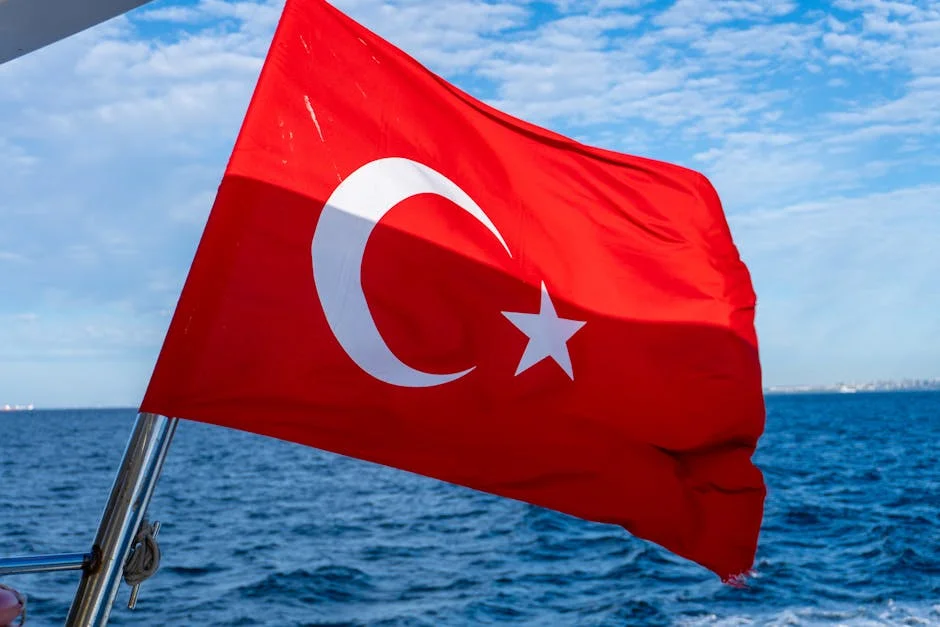
The Iranian Ministry of Foreign Affairs issued a statement on Monday, emphasizing that no tolls should be collected for passage through the strait, which it claims is an international waterway. The statement follows a series of escalations between Iran and the United States, including recent tensions over the seizure of a British oil tanker by Iranian forces. This has led to calls for increased diplomatic engagement to prevent further conflict.
Impact on African Trade and Development
Nigeria, Africa’s largest economy, depends on stable global trade routes for its oil exports and imports of food and fuel. The country’s Ministry of Trade has expressed concern over the potential for rising shipping costs and supply chain disruptions. According to a 2023 report by the African Development Bank, any disruption in the Strait of Hormuz could lead to a 5–10% increase in fuel prices across the continent, directly affecting inflation and economic growth.
Dr. Adebayo Adesina, an economist at the Nigerian Institute of International Affairs, warned that the situation could have far-reaching consequences. “If the strait is blocked or tolls are imposed, it would not only affect oil prices but also increase the cost of goods, making it harder for African countries to meet their development goals,” he said. “This is a key point of leverage for global powers, and Africa must remain vigilant.”
Regional Security and Economic Stability
The Strait of Hormuz is not only a trade route but also a flashpoint for geopolitical tensions. The United States and its allies have increased military presence in the region in recent months, while Iran continues to assert its dominance. This has led to a fragile balance, with the potential for miscalculation at any moment.
The African Union has called for greater regional cooperation to address the economic risks posed by instability in the Gulf. In a recent statement, AU Commission Chairperson Moussa Faki Mahamat urged African nations to invest in alternative trade routes and energy diversification. “We cannot afford to be dependent on a single chokepoint for our economic survival,” he said.
Alternative Routes and Diversification Efforts
Some African nations are exploring alternative trade routes to reduce their reliance on the Strait of Hormuz. For example, Nigeria has been working with the African Development Bank to develop the Trans-Saharan Highway, which would connect the country to North Africa and beyond. This initiative is part of a broader push to improve infrastructure and reduce trade bottlenecks.
In addition, the African Development Bank has launched a $5 billion infrastructure fund to support projects that enhance regional connectivity. The fund includes investments in energy, transportation, and digital infrastructure, all aimed at reducing Africa’s vulnerability to global market fluctuations.
What to Watch Next
The coming weeks will be critical in determining the stability of the Strait of Hormuz. Diplomatic talks between Iran and the United States are set to resume in early March, with the potential for a breakthrough or further escalation. African leaders will be closely monitoring the situation, as any disruption could have serious implications for their economies.
For now, the focus remains on maintaining open trade routes and strengthening regional partnerships. As Dr. Adesina noted, “Africa must not be a bystander in this geopolitical game. We need to act decisively to protect our interests and build a more resilient future.”
Frequently Asked Questions
What is the latest news about iran warns tankers over strait toll global trade at risk?
The Iranian government has issued a stern warning to international tanker operators, urging them not to pay tolls for passage through the strategic Strait of Hormuz.
Why does this matter for economy-business?
The move has drawn attention from African nations, including Nigeria, which relies heavily on stable global trade for its economic growth.
What are the key facts about iran warns tankers over strait toll global trade at risk?
It handles approximately 17 million barrels of oil per day, with countries like Nigeria depending on it for imports and exports.
What to Watch Next The coming weeks will be critical in determining the stability of the Strait of Hormuz. The United States and its allies have increased military presence in the region in recent months, while Iran continues to assert its dominance.