Welsh technology company Last Laser has secured a major role in NASA’s Artemis II mission, marking a significant milestone for the firm and the UK’s growing space sector. The company, based in Cardiff, will supply advanced laser systems designed to enhance navigation and communication for the upcoming lunar mission. The Artemis II, set to launch in 2025, will be the first crewed mission to orbit the Moon since 1972, and Last Laser’s contribution highlights the global reach of Welsh engineering.
Welsh Innovation in Global Space Race
Last Laser, a leading provider of high-precision laser systems, has been chosen for its cutting-edge technology that improves satellite and spacecraft communication. The company’s systems are expected to play a vital role in ensuring the safety and success of the Artemis II mission. This collaboration is a testament to the growing reputation of Welsh tech firms in international space projects. With over 200 employees and a focus on aerospace and defense, Last Laser has been expanding its footprint in the global market.
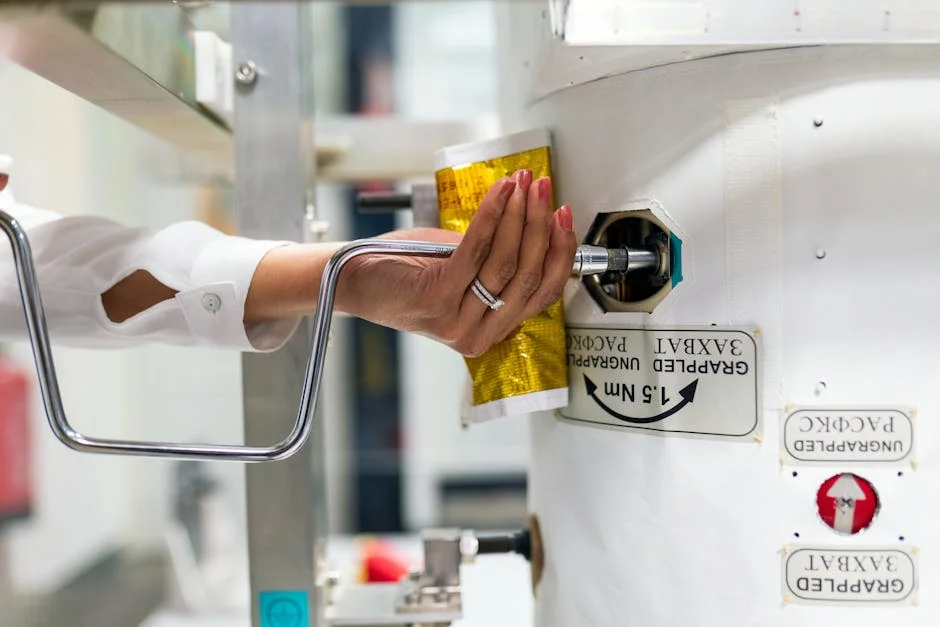
The company’s involvement in the Artemis II mission comes at a time when space exploration is gaining renewed interest. The UK government has been investing heavily in space technology, with the National Space Strategy aiming to position the UK as a leader in the industry. Last Laser’s success in securing this contract underscores the potential for African and other developing nations to collaborate with global tech firms and benefit from advancements in space science and technology.
Opportunities for African Development
The Artemis II mission represents more than just a scientific achievement—it is an opportunity for African nations to engage in space-related education, research, and infrastructure development. As space technology becomes more accessible, African countries can leverage partnerships with firms like Last Laser to build local expertise and foster innovation. This aligns with the African Union’s Agenda 2063, which emphasizes science, technology, and innovation as key drivers of sustainable development.
For instance, Nigeria has been investing in its space program through the Nigerian Space Agency (NASRDA), aiming to develop satellite technology for agriculture, weather forecasting, and disaster management. Collaborations with international tech firms could accelerate this progress, enabling African nations to benefit from global advancements while addressing local challenges. Last Laser’s involvement in Artemis II could serve as a model for similar partnerships across the continent.
Challenges and the Road Ahead
Despite the potential, African countries face significant challenges in building their space capabilities. Limited funding, lack of skilled personnel, and inadequate infrastructure hinder progress. However, the success of firms like Last Laser demonstrates that with the right support and international collaboration, these barriers can be overcome. The UK’s space strategy, which includes funding for research and development, offers a blueprint for how African nations could structure their own initiatives.
Dr. Amina Musa, a space scientist based in Kenya, highlights the importance of such collaborations. “When African countries partner with global tech firms, they gain access to advanced technology and training opportunities,” she said. “This can help build a strong foundation for local innovation and economic growth.” As the Artemis II mission approaches, it is a reminder of the global nature of space exploration and the opportunities it presents for all nations, including those in Africa.
What to Watch Next
With the Artemis II mission scheduled for 2025, the focus will shift to how African nations can capitalize on the momentum generated by such global projects. The next few years will be crucial for space policy development, investment in education, and the establishment of regional partnerships. As the world watches the progress of the Artemis program, African countries must act to ensure they are not left behind but instead become active participants in the new space age.
Amina Musa, a space scientist based in Kenya, highlights the importance of such collaborations. Challenges and the Road Ahead Despite the potential, African countries face significant challenges in building their space capabilities.