The UK government has announced a £50 million aid package aimed at boosting climate resilience across several African nations, including Nigeria and Kenya. The funding, part of a broader global initiative, targets infrastructure development and disaster preparedness in regions vulnerable to climate change. The move comes as African countries face increasing pressure to meet Sustainable Development Goals (SDGs), particularly those related to clean energy, food security, and sustainable cities.
UK’s Climate Funding Focuses on African Nations
The UK’s Department for International Development (DFID) confirmed the funding would be distributed over the next three years, with priority given to countries in the Sahel and East Africa. The initiative includes investments in solar energy projects, water management systems, and early warning systems for extreme weather events. Officials said the funding aligns with the UK’s post-Brexit foreign policy, which emphasizes global partnerships and development aid as key tools for international influence.
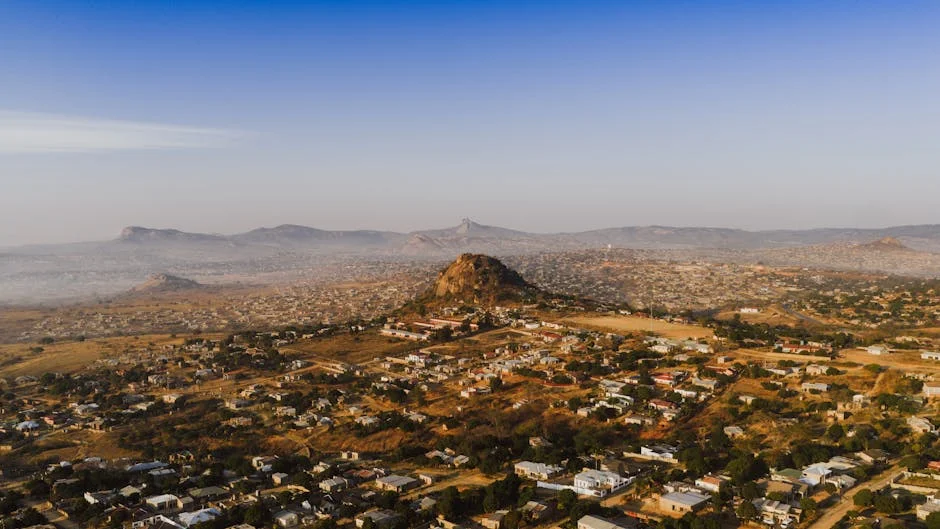
The decision follows a 2023 report by the Intergovernmental Panel on Climate Change (IPCC), which warned that Africa is among the most vulnerable continents to climate change. In Nigeria, for example, rising temperatures and erratic rainfall have led to food shortages and displacement in several states. The UK’s contribution aims to support local governments in building resilient agricultural systems and improving access to clean water.
Impact on African Development Goals
The £50 million pledge aligns with several of the UN’s Sustainable Development Goals, particularly Goal 13 on climate action, Goal 7 on affordable and clean energy, and Goal 2 on zero hunger. By investing in renewable energy and climate adaptation, the UK is helping African nations reduce their reliance on fossil fuels and mitigate the economic impact of climate-related disasters.
However, critics argue that the funding is not enough to address the scale of the challenge. According to the African Development Bank, the continent needs over $1 trillion in climate finance by 2030 to meet its adaptation and mitigation targets. The UK’s contribution, while significant, represents less than 5% of that total. Nonetheless, the funding is expected to have a measurable impact in pilot regions, particularly in improving access to clean energy for rural communities.
Challenges and Opportunities for African Countries
Despite the funding, African nations face several challenges in implementing climate resilience projects. These include weak governance, corruption, and limited technical capacity. In Kenya, for instance, delays in project approvals have slowed the rollout of solar energy initiatives. Experts warn that without strong local leadership and transparent oversight, the UK’s investment may not achieve its intended outcomes.
On the other hand, the funding presents opportunities for innovation and regional collaboration. The UK’s aid includes partnerships with African universities and research institutions to develop locally adapted climate solutions. For example, a joint project between the University of Ibadan and the UK’s Royal Society is exploring drought-resistant crops that could benefit millions of smallholder farmers across the Sahel.
Local Leadership and Accountability
Local governments play a crucial role in ensuring the success of climate projects. In Nigeria, the Federal Ministry of Environment has been tasked with overseeing the distribution of UK funds. However, a recent audit by the Economic and Financial Crimes Commission (EFCC) revealed that over 20% of previous climate-related grants were mismanaged. This has raised concerns about the transparency of the new funding.
Community engagement is also vital. In Kenya’s Turkana region, where droughts are frequent, local leaders have partnered with international organizations to establish water harvesting systems. These grassroots efforts, supported by external funding, have shown promising results in improving food security and reducing migration to urban centers.
What to Watch Next
The next key milestone for the UK’s climate aid will be the release of a detailed implementation plan by the end of June. African governments and civil society groups are expected to scrutinize the plan for transparency and inclusivity. Additionally, the success of the initial projects will be closely monitored, with reports due in early 2025. As Africa continues to grapple with climate challenges, the role of international partnerships like this one will remain critical in shaping the continent’s development trajectory.
Frequently Asked Questions
What is the latest news about uk announces 50m aid for african climate resilience?
The UK government has announced a £50 million aid package aimed at boosting climate resilience across several African nations, including Nigeria and Kenya.
Why does this matter for economy-business?
The move comes as African countries face increasing pressure to meet Sustainable Development Goals (SDGs), particularly those related to clean energy, food security, and sustainable cities.
What are the key facts about uk announces 50m aid for african climate resilience?
The initiative includes investments in solar energy projects, water management systems, and early warning systems for extreme weather events.
Experts warn that without strong local leadership and transparent oversight, the UK’s investment may not achieve its intended outcomes. However, a recent audit by the Economic and Financial Crimes Commission (EFCC) revealed that over 20% of previous climate-related grants were mismanaged.