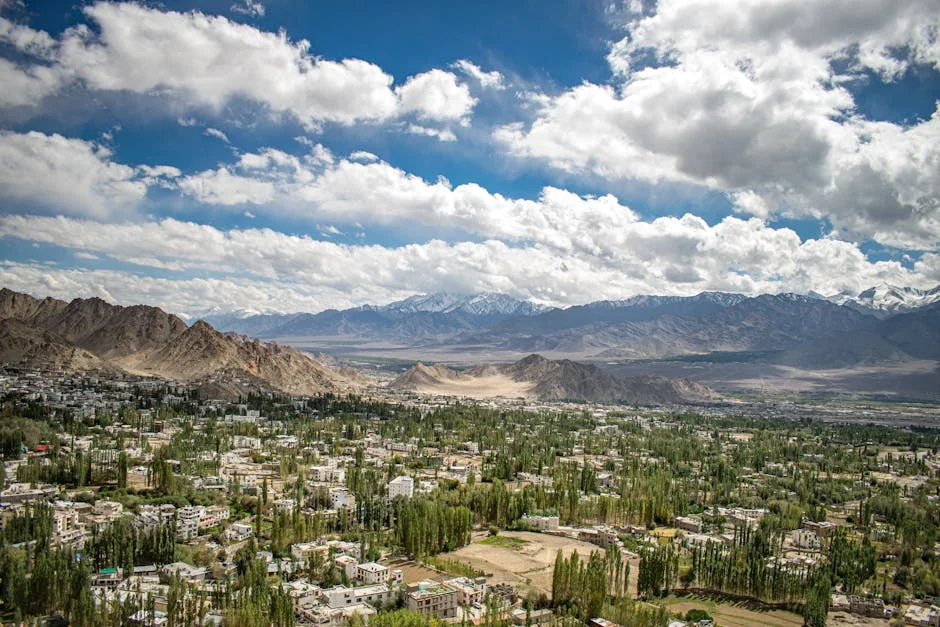
Pakistan’s military confirmed it struck a “military target” in the Khyber Pakhtunkhwa region, but independent investigations suggest the site was a rehabilitation center for former militants. The incident, which occurred on April 12, has raised urgent questions about civilian casualties and the government’s transparency. The Pakistan Army’s statement was quickly met with skepticism from local authorities and human rights groups.
What Happened in Khyber Pakhtunkhwa?
The attack took place in the Bajaur district, a region that has seen decades of conflict between security forces and militant groups. According to the military, the strike was aimed at a “high-value target” linked to the TTP (Taliban Pakistan). However, local officials and journalists on the ground reported that the site was a facility run by the Pakistan government to help former militants reintegrate into society.
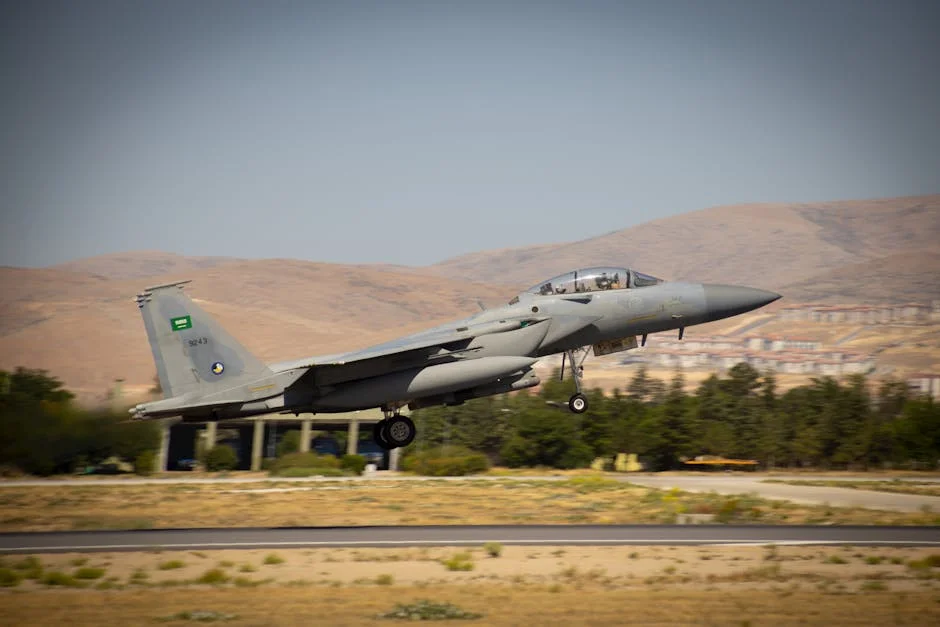
Human Rights Watch cited reports from local doctors that at least 12 people were killed and 30 injured in the strike. The rehab center, known as the Bajaur Reintegration Center, was reportedly housing over 200 individuals, including former Taliban fighters and their families. “This is not a military base — it’s a place for rehabilitation,” said Dr. Ayesha Khan, a local physician who treated the wounded. “The government is hiding the truth.”
Why This Matters for Regional Stability
The incident has reignited concerns about the treatment of former militants and the potential for civilian casualties in counterterrorism operations. Pakistan’s security apparatus has long faced criticism for its heavy-handed tactics, particularly in tribal areas. The Bajaur Reintegration Center was a key initiative under the 2014 peace deal with the TTP, aimed at reducing violence and promoting reconciliation.
“This attack undermines the government’s credibility in its counterterrorism efforts,” said Dr. Salman Ahmed, a political analyst at the Islamabad Policy Research Institute. “If the military is targeting rehabilitation sites, it sends a dangerous message to former militants and their families.” The incident also raises questions about the effectiveness of Pakistan’s strategy to combat extremism, which remains a major obstacle to the country’s development and regional stability.
International Reactions and Concerns
The United Nations has called for an independent investigation into the bombing, citing concerns over civilian casualties and the potential violation of international humanitarian law. “This is a critical moment for Pakistan to uphold its commitments to protecting civilians,” said a UN spokesperson in Geneva. The US and other Western allies have also expressed concern, with the State Department urging Pakistan to clarify the circumstances of the attack.
Regional leaders, including India and Afghanistan, have been cautious in their responses. India, which has long accused Pakistan of supporting militant groups, has called for transparency, while Afghan officials have warned that the attack could destabilize the already fragile security situation in the region. “This incident could derail peace talks and increase tensions,” said Mohammad Nabi, an Afghan security analyst.
Impact on Development and Governance
The bombing highlights the deep challenges facing Pakistan’s development agenda. The country’s efforts to improve infrastructure, education, and healthcare in conflict-affected areas are often undermined by security operations that prioritize military objectives over civilian welfare. The Bajaur Reintegration Center was a key part of this effort, offering vocational training and psychological support to former militants.
“When the government targets sites like this, it erodes public trust and weakens its own development programs,” said Dr. Samina Ahmed, a researcher at the Lahore University of Management Sciences. “This is not just a security issue — it’s a development issue.” The incident also underscores the need for better coordination between security forces and development agencies to ensure that counterterrorism efforts do not undermine long-term progress.
What Comes Next?
Pakistan’s government has yet to confirm whether it will allow an independent investigation into the bombing. However, the International Committee of the Red Cross has offered to assist in the inquiry, and the UN has urged the government to take immediate steps to protect civilians. The next 48 hours will be critical in determining whether the government will address the concerns raised by local and international observers.
For now, the people of Bajaur are left in limbo, with families of the victims demanding answers and accountability. As the region continues to grapple with the aftermath of the bombing, the incident serves as a stark reminder of the delicate balance between security and development in Pakistan’s conflict zones.
What to watch: The Pakistan government is expected to issue an official statement by Friday. International bodies will also be monitoring the situation closely, with the UN likely to call for an independent inquiry in the coming days.