NASA has released its first high-resolution images from a recent Moon fly-by, capturing the iconic Earthrise phenomenon as the Earth appears to rise over the lunar horizon. The images, taken on 15 July 2024, offer a stunning visual of Earth from space, highlighting the planet’s vibrant blue oceans and swirling white clouds. The mission, part of NASA’s Lunar Reconnaissance Orbiter program, aims to gather data that could support future lunar exploration and scientific research. The images have already sparked global interest, with scientists and space enthusiasts praising the clarity and detail.
Earthrise: A Rare and Captivating Sight
The Earthrise phenomenon occurs when the Earth becomes visible from the Moon’s surface, a rare event that has only been captured a handful of times. The latest images, taken during a close lunar approach, show Earth in striking detail, with the sun illuminating the planet’s surface. The photos were captured by NASA’s Lunar Reconnaissance Orbiter, which has been orbiting the Moon since 2009. The mission’s primary goal is to map the Moon’s surface in high resolution, providing valuable data for future exploration missions.
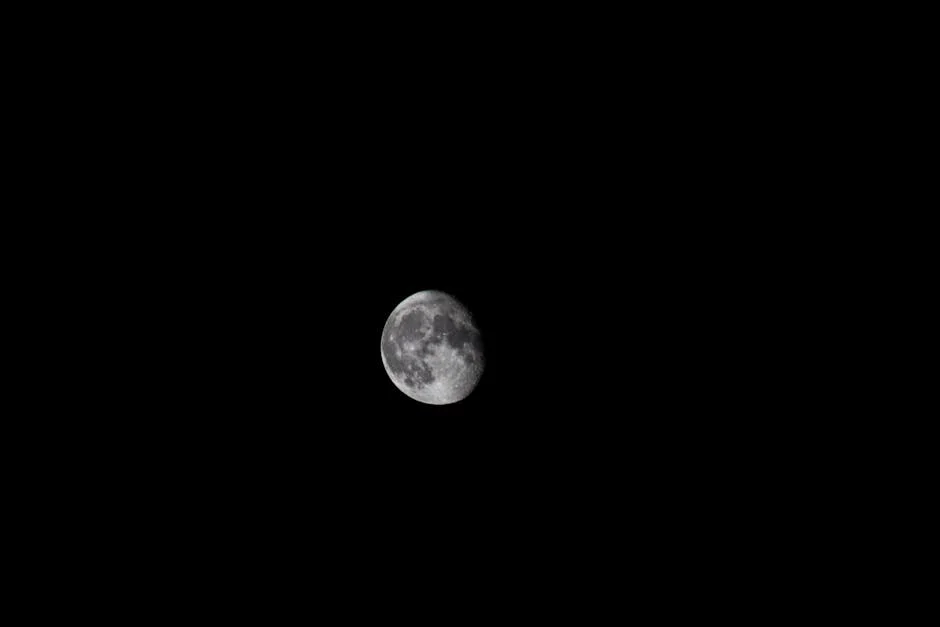
The Earthrise images have been widely shared on social media, with users expressing awe at the beauty of the view. Dr. Amina Abubakar, a Nigerian astrophysicist at the University of Lagos, called the images “a reminder of our planet’s fragility and the importance of space exploration.” She added that the data from the mission could help African nations better understand climate change and environmental patterns. “These images are more than just visuals—they offer insights that can be used for scientific and educational purposes,” she said.
NASA’s Role in African Space Development
While the Earthrise images are a global event, their impact is also being felt in Africa. Nigeria, in particular, has shown growing interest in space technology, with the Nigerian Space Agency (NASRDA) working on several satellite projects. The country’s recent launch of the NIGSAT-1, a satellite designed for Earth observation, highlights the increasing role of African nations in space exploration. NASA’s mission, while not directly involving African countries, provides a model for how space research can drive innovation and technological advancement.
Dr. Abubakar explained that NASA’s work could inspire African scientists to pursue careers in space science and engineering. “The Earthrise images show what is possible when we invest in science and technology,” she said. “For African countries, this is a chance to build capacity and contribute to global space research.” The images have also been used in educational programs across the continent, with schools and universities incorporating them into astronomy and environmental science curricula.
The Nigerian Ministry of Science and Technology has expressed interest in collaborating with international space agencies, including NASA. A spokesperson for the ministry said, “We are looking at ways to leverage global space initiatives to boost our own scientific capabilities. The Earthrise images are a powerful symbol of what we can achieve with the right investment and focus.”
Opportunities for African Development
The Earthrise images and NASA’s ongoing lunar missions highlight the potential for space technology to support African development. From satellite-based agriculture monitoring to climate change research, space science offers tools that can address key challenges on the continent. For example, satellite data can help farmers in regions like the Sahel improve crop yields by providing real-time weather and soil condition information.
The African Union has also recognized the importance of space technology in achieving the continent’s development goals. In 2023, the AU launched the African Space Policy and Strategy, aiming to promote regional cooperation in space research and applications. The policy emphasizes the need for African countries to invest in satellite technology, space education, and research infrastructure. “Space is no longer the domain of a few—it’s a tool that can benefit all of us,” said Dr. Abubakar.
With the Earthrise images capturing global attention, there is a growing opportunity for African countries to position themselves as key players in the space sector. The images serve as a reminder that space exploration is not just about scientific discovery—it is also about building a sustainable future for the planet.
Looking Ahead: What’s Next for African Space Initiatives
As NASA continues its lunar missions, African countries are increasingly looking to participate in global space efforts. The next phase of the Lunar Reconnaissance Orbiter program will focus on mapping potential landing sites for future human missions. This could open new opportunities for African scientists and engineers to contribute to the development of lunar exploration technologies.
Meanwhile, Nigeria and other African nations are accelerating their own space programs. The Nigerian Space Agency has announced plans to launch a second Earth observation satellite in 2025, while South Africa is expanding its satellite network to monitor environmental changes. These developments signal a shift in how African countries are approaching space science and technology.
For now, the Earthrise images remain a powerful symbol of what is possible when science and exploration come together. As African nations continue to invest in space research, the lessons learned from missions like NASA’s could help shape a new era of technological advancement and global collaboration.
The next few years will be critical for African space initiatives. With international partnerships and growing domestic investment, the continent is well positioned to play a more prominent role in the global space sector. What to watch next: the launch of new satellites, the development of space education programs, and the potential for African countries to contribute to major space missions.
Frequently Asked Questions
What is the latest news about nasa releases first moon flyby images amid earthrise excitement?
NASA has released its first high-resolution images from a recent Moon fly-by, capturing the iconic Earthrise phenomenon as the Earth appears to rise over the lunar horizon.
Why does this matter for environment-nature?
The mission, part of NASA’s Lunar Reconnaissance Orbiter program, aims to gather data that could support future lunar exploration and scientific research.
What are the key facts about nasa releases first moon flyby images amid earthrise excitement?
Earthrise: A Rare and Captivating Sight The Earthrise phenomenon occurs when the Earth becomes visible from the Moon’s surface, a rare event that has only been captured a handful of times.
The Earthrise images are a powerful symbol of what we can achieve with the right investment and focus.” Opportunities for African Development The Earthrise images and NASA’s ongoing lunar missions highlight the potential for space technology to support African development. From satellite-based agriculture monitoring to climate change research, space science offers tools that can address key challenges on the continent.