The International Monetary Fund (IMF) has issued a stark warning that war in Nigeria is causing more economic damage than financial crises or natural disasters, according to a recent report. The findings come as the country grapples with rising insecurity in the north-east, where conflict has persisted for over a decade. The report highlights the long-term consequences of violence on development, including disrupted trade, lost productivity, and a weakened public sector.
War's Economic Toll Outpaces Crises
The IMF report, titled "Conflict and Economic Resilience in Sub-Saharan Africa," reveals that war in Nigeria has led to a 15% reduction in GDP growth over the past five years. This is higher than the 8% decline recorded during the 2008 global financial crisis. The report attributes this to the direct destruction of infrastructure, the displacement of millions of people, and the increased burden on public services. "War is not just a security issue—it's a development catastrophe," said IMF economist Amina Musa, who led the study.
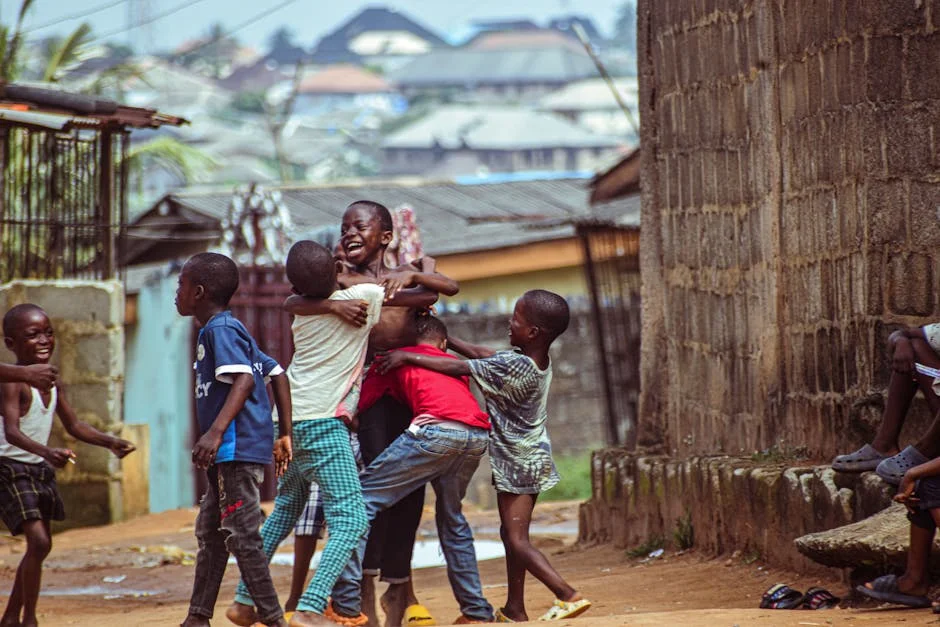
Conflict in the north-east, particularly in Borno, Adamawa, and Yobe states, has left over 2.5 million people internally displaced. The region, once a major agricultural hub, now faces chronic food insecurity. The government has struggled to provide basic services, and many businesses have shut down. "The war has destroyed the backbone of the local economy," said Dr. Yusuf Abubakar, an economic analyst at the University of Ibadan.
Long-Term Impacts on Development Goals
The war in Nigeria is directly undermining the country's ability to meet the United Nations' Sustainable Development Goals (SDGs), particularly those related to poverty reduction, education, and health. The World Bank estimates that 40% of children in conflict-affected areas are out of school, and access to healthcare has declined by 30% in the past three years. "This is not just about immediate suffering—it's about the future of an entire generation," said Dr. Nkechi Okorie, a development specialist at the African Development Bank.
The conflict has also hampered efforts to improve infrastructure, a key pillar of the African Union's Agenda 2063. Road networks, power grids, and communication systems have been damaged or destroyed, making it harder to attract investment. "Without stability, infrastructure projects can't move forward," said Tunde Adeyemi, a senior official at Nigeria's Ministry of Infrastructure.
Regional and Continental Implications
The economic fallout from Nigeria's war extends beyond its borders, affecting trade and stability across West Africa. The country is the continent's largest economy, and its instability has led to increased migration, smuggling, and the spread of extremist groups. The Economic Community of West African States (ECOWAS) has called for greater regional cooperation to address the root causes of conflict and support economic recovery.
"This isn't just Nigeria's problem—it's a regional crisis," said ECOWAS Secretary-General Mohamed Ibn Chambas. "We need a coordinated response to prevent further economic decline and ensure long-term peace." The report recommends increased funding for peacebuilding initiatives, better governance, and stronger regional security alliances.
What Comes Next?
The Nigerian government has pledged to accelerate its peacebuilding efforts, including a new $2 billion investment in infrastructure and security. However, critics argue that more needs to be done to address the underlying causes of conflict, such as poverty, unemployment, and political marginalization. The IMF has urged the government to prioritize economic recovery and ensure that aid reaches the most affected communities.
As the country prepares for a major economic summit in Lagos next month, the focus will be on rebuilding trust, restoring services, and creating jobs. "This is a critical moment for Nigeria," said Amina Musa. "If the government fails to act, the long-term damage will be irreversible."
Steps for Recovery
- Increased funding for peacebuilding and security initiatives
- Investment in infrastructure and public services
- Improved governance and anti-corruption measures
With the upcoming summit and the release of the IMF report, the pressure is mounting on Nigerian leaders to take decisive action. The coming months will be crucial in determining whether the country can turn the tide on conflict and rebuild its economy. For now, the message is clear: war is not just a security threat—it is an economic and developmental disaster that demands urgent and sustained attention.
Frequently Asked Questions
What is the latest news about fmi warns war devastates nigerias economy more than crises?
The International Monetary Fund (IMF) has issued a stark warning that war in Nigeria is causing more economic damage than financial crises or natural disasters, according to a recent report.
Why does this matter for economy-business?
The report highlights the long-term consequences of violence on development, including disrupted trade, lost productivity, and a weakened public sector.
What are the key facts about fmi warns war devastates nigerias economy more than crises?
This is higher than the 8% decline recorded during the 2008 global financial crisis.