The Dangote Refinery, Africa's largest oil refining complex, has shipped 17 petrol cargoes to multiple African countries as global fuel supply chains face mounting pressure. The move comes amid rising global oil prices and regional energy shortages, with Nigeria’s Ministry of Petroleum Resources confirming the shipments to nations including Kenya, Ghana, and South Africa. The refinery, located in Lagos, has positioned itself as a key player in stabilising fuel access across the continent, reflecting broader ambitions in African development and energy security.
The Dangote Refinery's Strategic Expansion
The Dangote Refinery, owned by billionaire Aliko Dangote, has been a focal point of Nigeria's efforts to reduce reliance on imported fuel. With a capacity to process 650,000 barrels of crude oil daily, the facility has the potential to meet up to 40% of Nigeria's fuel needs. The recent shipments mark a significant step in the refinery’s expansion beyond domestic markets, aiming to strengthen regional energy cooperation.
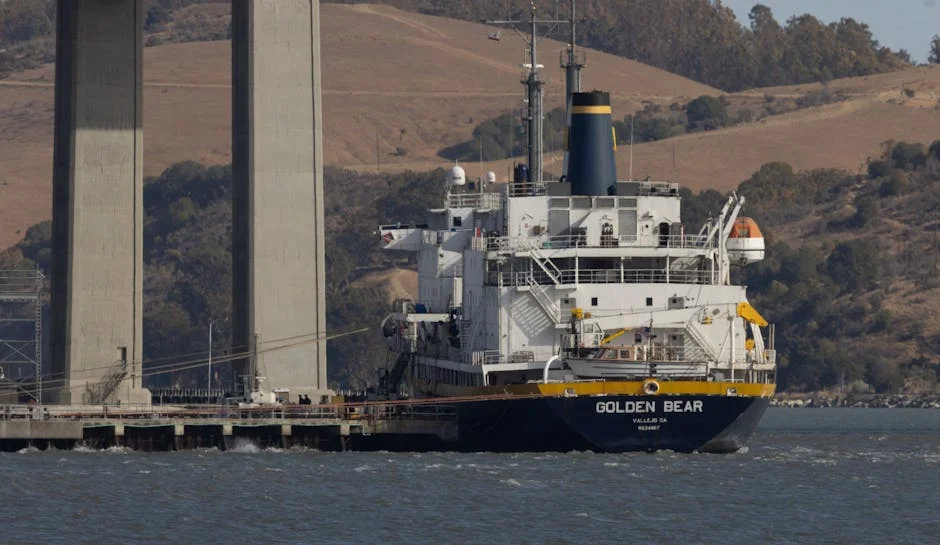
“This is a game-changer for Africa,” said Dr. Chidi Nwabudike, an energy analyst at the African Development Bank. “By supplying fuel to neighbouring countries, the Dangote Refinery is not only boosting regional trade but also addressing long-standing energy gaps.” The refinery’s ability to export fuel underscores its role in supporting the African Union’s goal of achieving energy self-sufficiency by 2030.
Global Supply Chain Challenges
Global fuel supply chains have been under strain due to geopolitical tensions, including the war in Ukraine and sanctions on Russian oil exports. These disruptions have led to a 25% increase in global crude oil prices over the past year, according to the International Energy Agency. As a result, many African countries have faced fuel shortages and rising costs, impacting both households and industries.
In response, the Dangote Refinery has ramped up production and exports, with a focus on countries with urgent energy needs. Kenya, for instance, has reported a 15% drop in fuel availability in recent months, prompting the government to seek alternative suppliers. The refinery’s involvement could help alleviate these pressures and provide a more stable supply route for the region.
Implications for African Development
The refinery’s expansion aligns with broader African development goals, particularly in the areas of infrastructure and economic growth. By reducing dependency on foreign fuel imports, African nations can redirect resources toward local development projects. The African Development Bank estimates that energy insecurity costs the continent over $20 billion annually in lost economic output.
“This is a critical moment for Africa,” said Dr. Nwabudike. “If regional energy cooperation continues to grow, it could unlock new opportunities for trade, investment, and job creation.” The Dangote Refinery’s role in this effort highlights the potential for private sector leadership in driving continental development.
Challenges and Opportunities
Despite the positive developments, challenges remain. The Dangote Refinery still faces issues with operational efficiency and regulatory hurdles. In 2023, the refinery encountered delays in achieving full production capacity, partly due to equipment shortages and technical setbacks. These issues highlight the need for continued investment and policy support to ensure the project’s long-term success.
Nonetheless, the refinery’s expansion presents significant opportunities for African nations. By fostering regional energy partnerships, the Dangote Refinery could serve as a model for other large-scale infrastructure projects across the continent. Such initiatives are essential for achieving the United Nations’ Sustainable Development Goals, particularly those related to affordable and clean energy, and economic growth.
Looking Ahead: What to Watch
The coming months will be crucial for the Dangote Refinery and its role in Africa’s energy landscape. The refinery is expected to complete its full operational capacity by 2025, which could further solidify its position as a key energy hub. Meanwhile, African governments are expected to intensify efforts to diversify energy sources and reduce reliance on imported fuel.
As the global energy market continues to evolve, the Dangote Refinery’s success will be closely watched by policymakers, investors, and development experts. Its ability to navigate challenges and capitalise on opportunities could shape the future of energy in Africa, with far-reaching implications for the continent’s development trajectory.