Rosalía, the Spanish pop star, has banned photojournalists from her recent concerts in Lisbon, sparking debate over press freedom and the role of media in cultural events. The move, which took place at the Primavera Sound festival, has drawn attention from media organisations in Portugal and beyond, including Lisboa Fotografia, a collective known for documenting the city’s artistic scene. The ban, announced during her performance on June 15, raised concerns about the future of press access at major events in the region.
Media Access and Cultural Events
The decision by Rosalía’s management to restrict photojournalists highlights a growing tension between artists and the press. At the Primavera Sound festival, which has drawn international attention, the move has been seen as a challenge to the traditional role of media in capturing cultural moments. Lisboa Fotografia, a group of local photographers, expressed disappointment, stating that their work plays a vital role in preserving the city’s artistic identity. "We document the heartbeat of Lisbon’s culture," said Ana Moreira, a member of the collective. "Banning us feels like a step back for transparency."
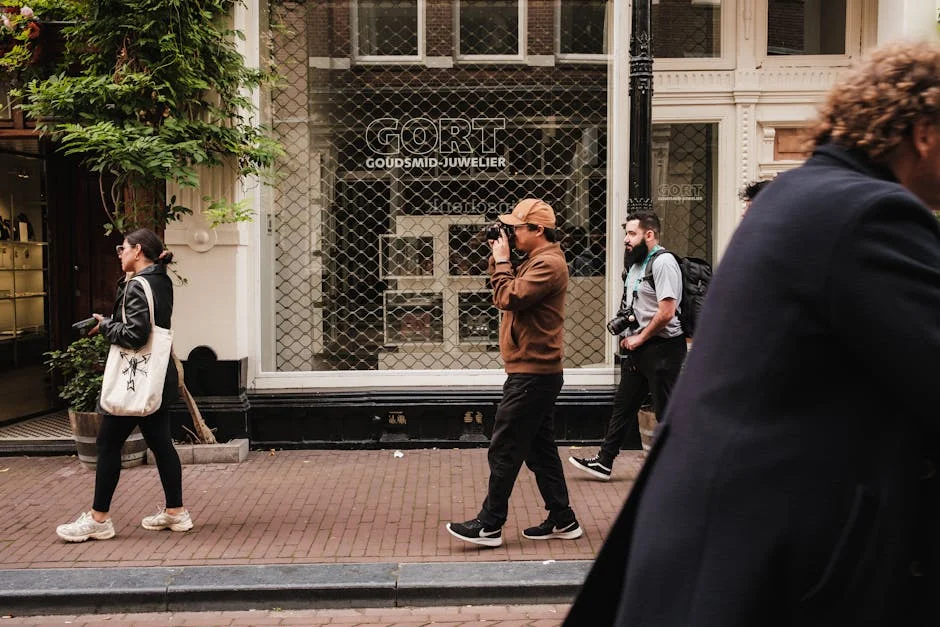
The ban coincided with the festival’s third day, when Rosalía performed in front of a crowd of over 10,000 people. Organisers of Primavera Sound, which has been held in Lisbon since 2018, have not publicly commented on the issue, but the incident has sparked discussions about the balance between artist control and public access. "Artists have the right to protect their image, but so do the media," said João Ferreira, a media analyst based in Porto. "This could set a precedent for future events."
Broader Implications for Media and Art
The controversy has wider implications for how media and art intersect in Portugal. With the country’s growing influence in global cultural events, the way media is treated at such gatherings could shape future policies. Lisboa Fotografia, which has been active since 2015, has documented major festivals, music scenes, and cultural shifts in the city. Their work has been featured in international publications, highlighting the importance of local media in global narratives.
While the ban is specific to Rosalía’s concerts, it raises broader questions about the role of photojournalism in the digital age. With social media platforms now serving as primary sources of news, traditional media faces increasing pressure to maintain relevance. "We are not just capturing images — we are telling stories," said Moreira. "This ban could affect how artists engage with the public and how their work is represented."
The situation also echoes similar debates in other parts of the world, including Nigeria, where media access to cultural events is often restricted. While the direct impact on Nigeria is limited, the discussion around press freedom and cultural representation is relevant to the continent’s broader media landscape. "What happens in Lisbon can influence how media is treated in other African cities," said Dr. Nia Adebayo, a media scholar at the University of Lagos. "It’s a small but significant moment."
What Comes Next?
As the Primavera Sound festival continues, the situation remains under close scrutiny. Lisboa Fotografia has indicated it may take legal action if the ban is repeated at future events. Meanwhile, Rosalía’s management has not provided further details on the decision. The outcome of this dispute could set a precedent for how media is treated at major cultural events across Europe and beyond.
The coming weeks will be critical. If the ban is lifted, it could signal a return to traditional media access. If not, it may prompt a shift in how artists and organisers manage public perception. For now, the debate continues, with implications that stretch far beyond Lisbon’s music scene.
Frequently Asked Questions
What is the latest news about rosalía bans photojournalists at lisbon concerts impact on portugals media landscape?
Rosalía, the Spanish pop star, has banned photojournalists from her recent concerts in Lisbon, sparking debate over press freedom and the role of media in cultural events.
Why does this matter for economy-business?
The ban, announced during her performance on June 15, raised concerns about the future of press access at major events in the region.
What are the key facts about rosalía bans photojournalists at lisbon concerts impact on portugals media landscape?
At the Primavera Sound festival, which has drawn international attention, the move has been seen as a challenge to the traditional role of media in capturing cultural moments.
Their work has been featured in international publications, highlighting the importance of local media in global narratives. While the direct impact on Nigeria is limited, the discussion around press freedom and cultural representation is relevant to the continent’s broader media landscape.