Vanguard News has released a new ranking of the 10 tallest buildings in the world, with the Burj Khalifa in Dubai standing as the undisputed leader since its completion in 2010. The 828-meter skyscraper, designed by the architectural firm Skidmore, Owings & Merrill, continues to dominate global architecture, reflecting advancements in engineering and construction. The ranking highlights how urban development and infrastructure projects are shaping the future of cities, a theme that resonates with African development goals focused on sustainable growth and modernization.
Global Skyscrapers and Urban Development
The Burj Khalifa, located in Dubai, United Arab Emirates, remains the tallest building in the world, standing at 828 meters. Its construction, completed in 2010, marked a significant milestone in architectural engineering, showcasing the potential of modern technology and design. The building’s height and complexity have set a benchmark for other cities aiming to develop their skylines and attract global investment.
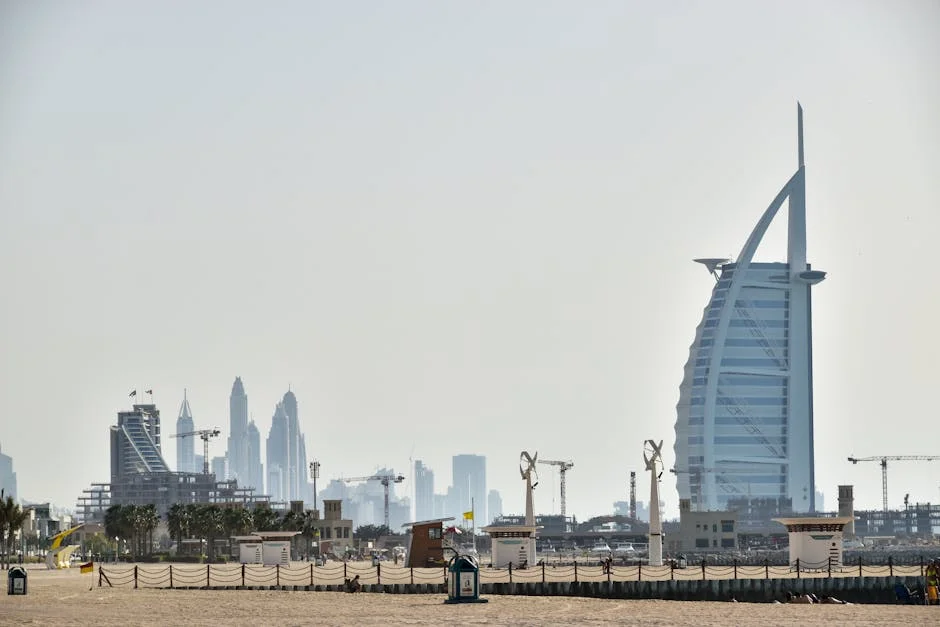
Other notable structures in the top 10 include the Shanghai Tower in China, the Abraj Al-Bait Clock Tower in Saudi Arabia, and the Ping An Finance Centre in Shenzhen. These buildings are not only architectural feats but also symbols of economic power and urban ambition. For African nations, the trend of constructing high-rise buildings offers a model for how cities can grow vertically, optimizing land use in densely populated areas.
African Development and the Role of Infrastructure
While African countries have not yet produced any of the world’s 10 tallest buildings, the continent is witnessing a surge in infrastructure projects aimed at modernizing urban centers. Countries like Nigeria, Kenya, and South Africa are investing heavily in transportation, housing, and commercial real estate to meet the needs of growing populations. The African Development Bank has emphasized that infrastructure is a key driver of economic growth and poverty reduction, aligning with the United Nations’ Sustainable Development Goals (SDGs).
Experts such as Dr. Adebayo Adesina, an economist at the African Development Bank, note that Africa’s urbanization rate is expected to reach 60% by 2050. This rapid urbanization presents both challenges and opportunities. Developing high-rise infrastructure could help address housing shortages and reduce congestion, but it also requires careful planning, investment, and governance to ensure sustainability and inclusivity.
Challenges and Opportunities for African Cities
African cities face significant challenges in infrastructure development, including limited funding, bureaucratic hurdles, and a lack of skilled labor. Despite these obstacles, there are growing efforts to improve urban planning and construction. For example, the Lagos State government in Nigeria has launched several initiatives to revitalize the city’s skyline, with plans to build high-rise residential and commercial complexes.
However, progress remains uneven. While some cities are making strides, others lag behind due to political instability, economic constraints, and inadequate policy frameworks. The World Bank has called for increased public-private partnerships to bridge the infrastructure gap, emphasizing the need for innovative financing and efficient project management.
Case Study: Lagos’ Urban Transformation
Lagos, Nigeria’s largest city, is undergoing a major transformation as part of the Lagos State Government’s urban development strategy. The government has announced plans to construct high-rise buildings in key areas, including the Lekki and Victoria Island districts, to accommodate the city’s expanding population. These projects aim to reduce traffic congestion, improve housing conditions, and create jobs.
Despite these ambitions, the implementation of such projects has been slow. Delays in land acquisition, regulatory bottlenecks, and funding shortages have hampered progress. Local developers and urban planners argue that more support is needed from both the federal and state governments to ensure the success of these initiatives.
Looking Ahead: What to Watch
As African cities continue to grow, the role of infrastructure in shaping their future will become even more critical. The global trend of constructing tall buildings offers a blueprint for urban development, but African nations must adapt these models to their unique contexts. Key developments to watch include the progress of Lagos’ urban projects, the expansion of other major cities, and the role of international partners in supporting African infrastructure growth.
With the African Union’s Agenda 2063 aiming for sustainable and inclusive development, the focus on infrastructure and urban planning will be essential. The coming years will determine whether African cities can rise to the challenge and build a future that is both modern and equitable.