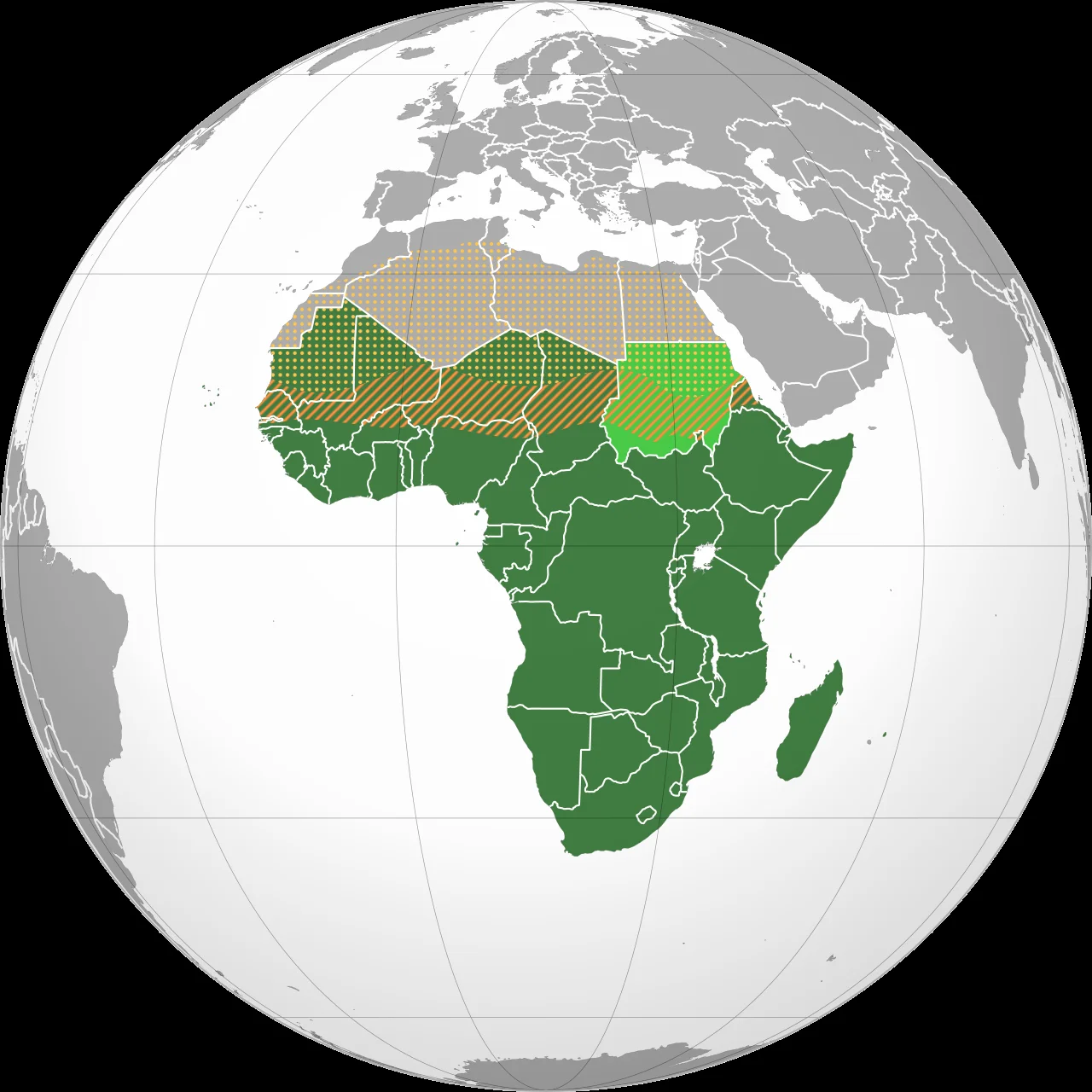
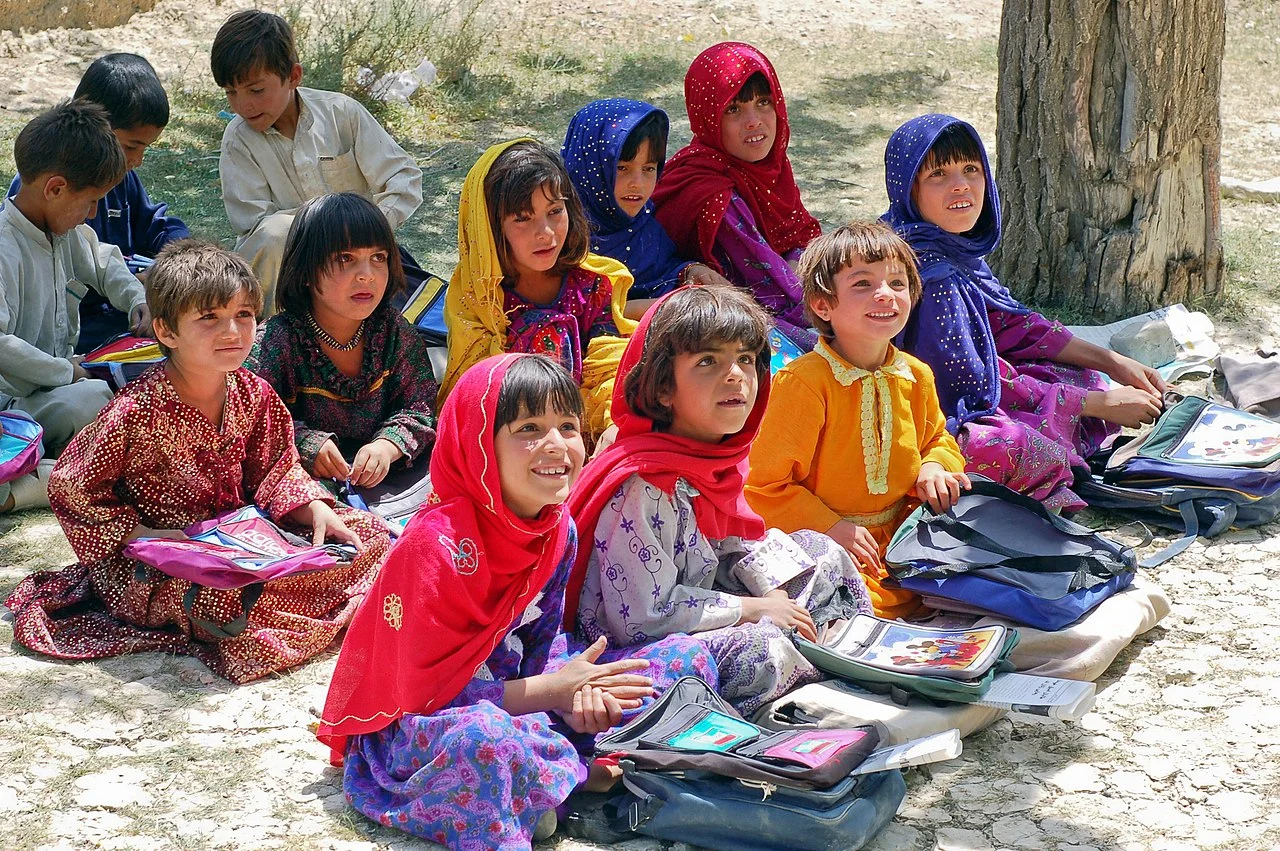
Kenyans in the arid Garissa region are turning to the rare gingerbread tree, a plant known for its sweet, resinous sap, as a last resort against severe food shortages triggered by a prolonged drought. The situation has worsened following a third consecutive failed rainy season, with the United Nations warning that 2.8 million people across the Horn of Africa face acute food insecurity. Oxfam has called the crisis the worst in 30 years, with communities in Kenya, Somalia, and Ethiopia bearing the brunt. The gingerbread tree, or *Boscia salicifolia*, is found in the arid lands of northern Kenya and is typically used for medicinal and ceremonial purposes, not as a food source. But with no other options, families are now relying on it to survive.
Impact on Regional Stability
The drought has deepened existing tensions in the Horn of Africa, where food and water scarcity have long fueled conflicts between pastoralist communities. In Garissa, local officials report that the number of people accessing emergency food aid has surged by 40% in the past six months. "We are running out of time," said Mohamed Abdi, a community leader in Garissa. "The gingerbread tree is not enough, but it’s all we have left." The situation has also raised concerns about migration, as people move toward urban centers or cross into neighboring countries like Somalia in search of relief. Oxfam has warned that without immediate intervention, the crisis could trigger mass displacement and destabilize the region further.
The humanitarian response has been hampered by limited funding and logistical challenges. The Kenyan government, along with international aid agencies, has launched emergency food distribution programs, but these have struggled to reach the most remote areas. In a recent report, the UN Food and Agriculture Organization (FAO) noted that only 60% of the required funds have been pledged for the region. "This is a race against time," said Dr. Amina Juma, a FAO representative in Nairobi. "If we don’t act now, we will face a much worse humanitarian disaster."
Long-Term Development Challenges
The current crisis highlights the deep-rooted challenges facing African development, particularly in regions vulnerable to climate change. The Horn of Africa, which includes Somalia, Ethiopia, and Kenya, has long struggled with erratic weather patterns, poor infrastructure, and weak governance. These factors have made it difficult for communities to recover from droughts and other natural disasters. The reliance on the gingerbread tree underscores the lack of alternative food sources and the urgent need for sustainable agricultural practices.
Experts argue that long-term solutions must focus on improving water management, investing in climate-resilient crops, and strengthening local food systems. "We cannot continue to react to crises after they happen," said Dr. Njoki Wamai, a development economist at the African Institute for Development Policy. "We need to build resilience at the community level so that when the next drought hits, people can survive without relying on emergency aid." This aligns with the United Nations' Sustainable Development Goals (SDGs), particularly Goal 2 on zero hunger and Goal 13 on climate action.
Regional Cooperation and Aid Efforts
Regional organizations like the Intergovernmental Authority on Development (IGAD) are working to coordinate a more unified response to the crisis. In a recent meeting, member states agreed to increase cross-border aid and improve early warning systems for climate-related disasters. However, implementation remains a challenge. Somalia, which has been hit hard by the drought, has called for greater international support, with its Food Security and Nutrition Minister, Abdirahman Mohamed, stating, "We need more funding and better coordination to prevent a full-blown famine."
At the same time, local initiatives are emerging to address the crisis. In Garissa, community groups have started small-scale tree planting projects to restore degraded land and provide alternative food sources. These efforts, though modest, represent a shift toward more sustainable solutions. "We need to think beyond emergency aid," said Abdi, the community leader. "We need to invest in our future."
Looking Ahead
As the dry season intensifies, the focus is shifting to the upcoming rainy season, which is expected to begin in late June. If the rains are adequate, they could provide some relief to the region. However, experts warn that even a normal rainy season may not be enough to reverse the damage caused by years of drought. The coming months will be critical in determining whether the region can avoid a larger humanitarian catastrophe. For now, Kenyans in Garissa and beyond remain on the edge, clinging to the gingerbread tree as their last hope.
Experts argue that long-term solutions must focus on improving water management, investing in climate-resilient crops, and strengthening local food systems. "We need to build resilience at the community level so that when the next drought hits, people can survive without relying on emergency aid." This aligns with the United Nations' Sustainable Development Goals (SDGs), particularly Goal 2 on zero hunger and Goal 13 on climate action.