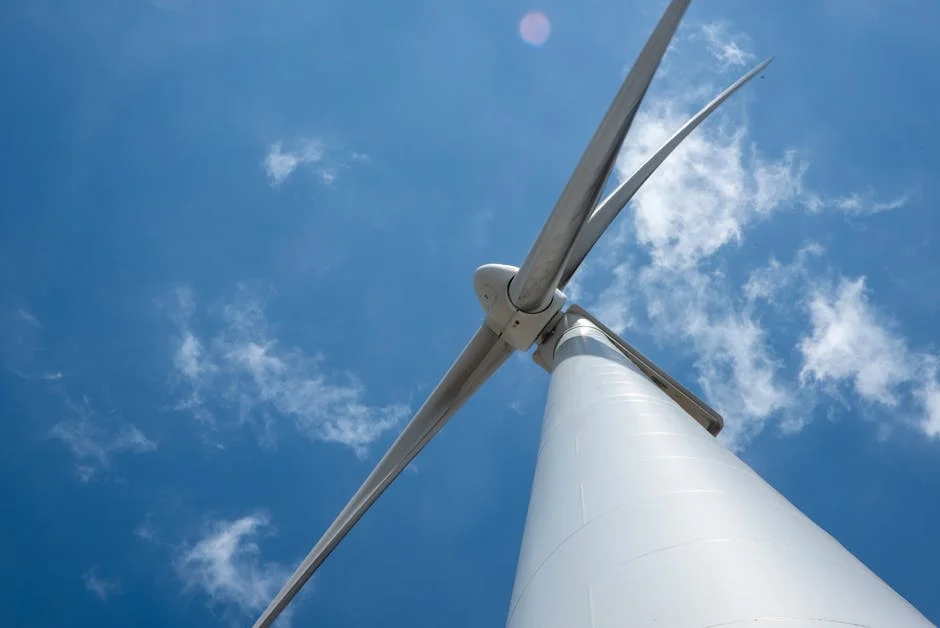
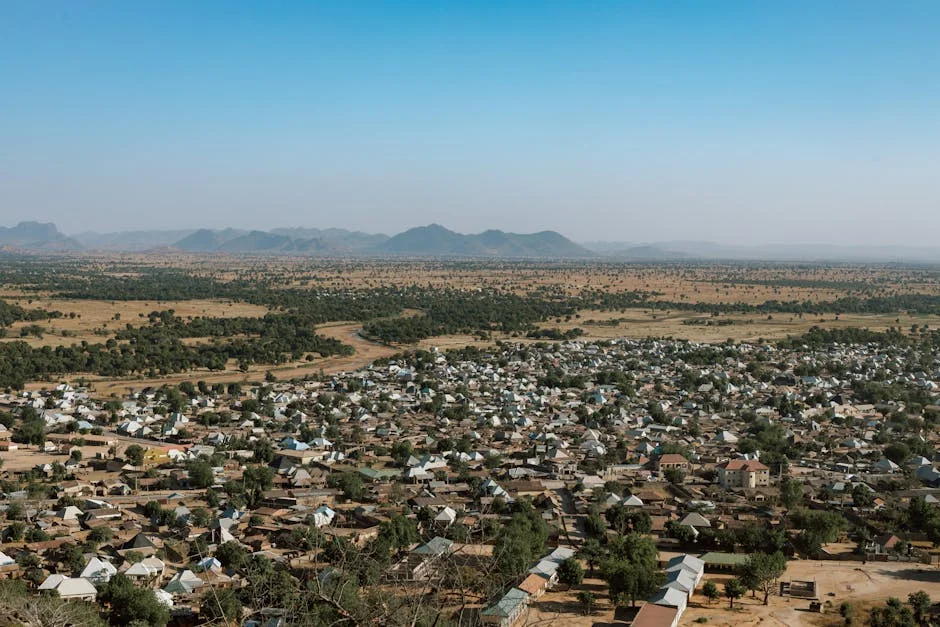
Africa is taking a bold step to address the critical gap in its energy and industrial development by launching a continent-wide human capital initiative. The move, announced by the African Union (AU) and supported by the African Development Bank (AfDB), aims to enhance skills, education, and workforce readiness to support the continent’s energy transition and industrial growth. The initiative is a direct response to the challenges of underdeveloped infrastructure, limited access to clean energy, and a skills gap that has long hindered economic progress.
Human Capital as a Cornerstone of Development
The new initiative highlights the growing recognition that human capital is central to Africa’s industrialisation and energy security. With over 60% of the continent’s population under the age of 35, the need for education, vocational training, and job creation has never been more urgent. The AU and AfDB are working with regional bodies and member states to design targeted programmes that align with the African Continental Free Trade Area (AfCFTA) and the UN Sustainable Development Goals (SDGs), particularly Goal 7 on affordable and clean energy and Goal 8 on decent work.

The strategy includes investments in STEM education, apprenticeships, and partnerships with private sector actors to create a pipeline of skilled workers for emerging industries such as renewable energy, manufacturing, and digital services. According to AfDB President Akinwumi Adesina, “Without a skilled workforce, Africa’s energy and industrial ambitions will remain unfulfilled. This initiative is a game-changer.”
Challenges and Opportunities in Africa’s Industrialisation
Despite progress, Africa faces significant hurdles in its industrialisation journey. The continent’s energy infrastructure remains underdeveloped, with over 600 million people still lacking access to electricity. This gap hampers productivity, deters foreign investment, and limits the growth of small and medium enterprises (SMEs). The new human capital strategy aims to bridge this divide by equipping workers with the skills needed to support the continent’s transition to clean energy and advanced manufacturing.
Industrialisation across Africa is also hampered by weak governance, limited access to financing, and fragmented markets. The AfCFTA, which came into effect in 2021, is expected to boost intra-African trade and create new opportunities for industrial growth. However, without a skilled workforce, these gains may not be fully realised. The human capital initiative seeks to address this by creating a more adaptable and innovative workforce that can drive economic transformation.
What This Means for Africa’s Development Goals
The initiative aligns closely with Africa’s broader development goals, particularly the African Union’s Agenda 2063, which envisions a “self-reliant and prosperous Africa.” By investing in human capital, the continent is not only addressing immediate skills shortages but also laying the foundation for long-term economic resilience. This is especially important as global demand for sustainable technologies and green energy grows.
For countries like Nigeria, where energy insecurity and high youth unemployment remain pressing issues, the initiative offers a blueprint for inclusive growth. Nigeria’s National Economic Recovery and Growth Plan (NERGP) already includes elements of industrialisation and skills development, but the new AU-AfDB strategy could provide the necessary coordination and funding to accelerate progress.
What to Watch Next
The success of the human capital initiative will depend on the commitment of African governments, private sector players, and international partners. Key indicators to watch include the number of students enrolled in STEM programmes, the rate of youth employment in emerging sectors, and the pace of investment in clean energy projects. The AU and AfDB have pledged to monitor progress closely and report on outcomes by 2025.
As Africa continues to shape its industrial and energy future, the role of human capital cannot be overstated. With the right investments and policies, the continent has the potential to transform its economy, reduce poverty, and play a more significant role in the global energy transition. The new initiative is a critical step in that direction, and its impact will be felt across the continent in the years to come.
Key indicators to watch include the number of students enrolled in STEM programmes, the rate of youth employment in emerging sectors, and the pace of investment in clean energy projects. The new initiative is a critical step in that direction, and its impact will be felt across the continent in the years to come.