Europe's financial markets are under significant strain as the Stoxx 600 index has dropped by 6% since the start of October, primarily driven by escalating oil prices. This downturn highlights the interconnectedness of global markets and its reverberations on African economies, particularly in nations like Nigeria reliant on oil exports.

Escalating Oil Prices Trigger Market Turmoil

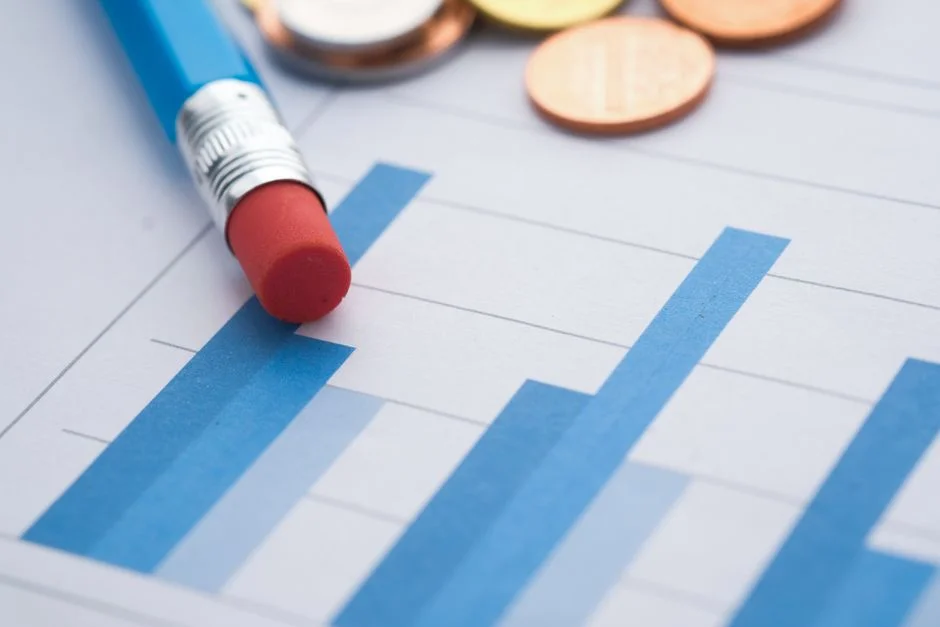
Starting in October, oil prices have surged sharply, causing widespread concern among investors across Europe. The Stoxx 600 index, which reflects the performance of major European stocks, has faced increased volatility, leading to a notable decline that poses risks to economic stability.

Stoxx 600 Plunges Amid Rising Oil Prices — What This Means for Africa's Growth — Economy Business
Economy & Business · Stoxx 600 Plunges Amid Rising Oil Prices — What This Means for Africa's Growth

Why Stoxx Matters to African Economies

The Stoxx index serves as a barometer for European economic health, influencing global investor sentiment and capital flows. For African nations, particularly Nigeria, the implications are profound. As Europe grapples with rising energy costs, its demand for oil may fluctuate, impacting pricing and revenues in oil-dependent economies.

Nigeria's Vulnerability Amid Global Shifts

Nigeria, Africa's largest oil producer, finds itself at a critical juncture. The country has traditionally depended on oil exports as a key revenue source. However, with Europe facing economic uncertainty, Nigeria's financial stability could be threatened. The government must navigate these turbulent waters to safeguard its economic interests and ensure continued growth.

Development Goals at Risk

The challenges arising from the Stoxx decline and soaring oil prices could hinder Nigeria's progress towards its development goals. Investment in infrastructure, health, education, and governance initiatives may stall as the government grapples with diminished revenue. This scenario underscores the need for diversification of the economy beyond oil dependency.

Opportunities Amid Challenges

Despite the hurdles presented by the current economic climate, there are opportunities for African nations to pivot towards sustainable development. Countries can invest in renewable energy and enhance agricultural productivity to reduce reliance on volatile oil markets. The current situation could act as a catalyst for broader economic reform and resilience building across the continent.

What to Watch for Next

As the situation unfolds, stakeholders in African economies should closely monitor the developments in Europe and the fluctuations in oil prices. The outcomes will significantly influence policy decisions and economic strategies across the continent. The focus should remain on fostering growth while addressing the challenges posed by global economic trends.

See Also

Editorial Opinion

The outcomes will significantly influence policy decisions and economic strategies across the continent. The focus should remain on fostering growth while addressing the challenges posed by global economic trends.

— panapress.org Editorial Team
Poll
Will this news affect your daily life?
Yes44%
No56%
597 votes
FAQ
What is the latest news about stoxx 600 plunges amid rising oil prices what this means for africas growth?
Europe's financial markets are under significant strain as the Stoxx 600 index has dropped by 6% since the start of October, primarily driven by escalating oil prices.
Why does this matter for economy-business?
The Stoxx 600 index, which reflects the performance of major European stocks, has faced increased volatility, leading to a notable decline that poses risks to economic stability.Why Stoxx Matters to African EconomiesThe Stoxx index serves as a barome
What are the key facts about stoxx 600 plunges amid rising oil prices what this means for africas growth?
As Europe grapples with rising energy costs, its demand for oil may fluctuate, impacting pricing and revenues in oil-dependent economies.Nigeria's Vulnerability Amid Global ShiftsNigeria, Africa's largest oil producer, finds itself at a critical junc
Kwame Asante
Author
Kwame Asante is a business and economics journalist with over a decade of experience covering African markets, trade policy, and financial systems. Based in Accra, he has reported from Lagos, Nairobi, and Johannesburg on topics ranging from continental trade agreements to startup ecosystems reshaping sub-Saharan Africa.

His work focuses on the intersection of policy and commerce — how regulatory decisions, currency movements, and infrastructure investment shape everyday life across the continent. Kwame holds a degree in economics from the University of Ghana and has contributed to several pan-African business publications.