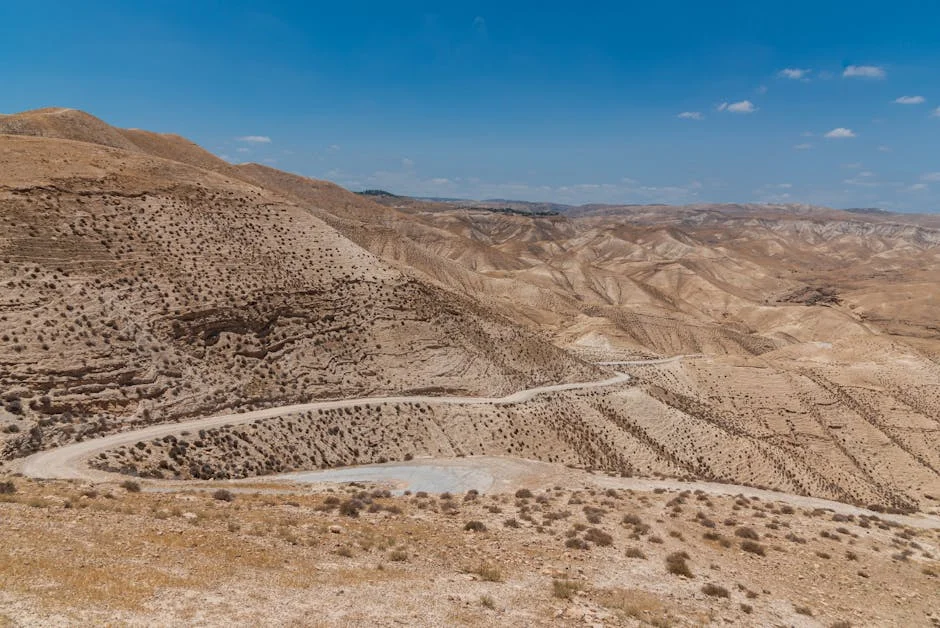
In a stunning representation of innovation amid adversity, Moroccan photographer Hiba Baddou captured her best photograph of the Parabomobile, a bicycle outfitted with 21 satellite dishes, struggling through the arid landscapes of the Moroccan desert. This image not only showcases the resilience of technology in challenging environments but also opens discussions on connectivity and development across Africa.
Understanding the Parabomobile: A Symbol of Connectivity
The Parabomobile, a creative project developed in Marrakech, exemplifies the intersection of technology and social impact. Designed by local innovators, the bicycle is equipped with satellite dishes intended to provide internet connectivity to remote areas. This initiative highlights the need for enhanced communication infrastructure, especially in regions where traditional connectivity is lacking.

In a continent where digital access remains a challenge, the Parabomobile represents a beacon of hope. It addresses an urgent need for improved information access, educational resources, and economic opportunities. The bicycle's journey through the desert serves as a poignant reminder of the lengths innovators must go to bridge the digital divide.
Marrakech's Influence on Broader African Development Goals
Marrakech is more than just a picturesque city; it serves as a hub for creativity and technological advancement in Morocco. The city has hosted numerous international conferences focusing on sustainable development and climate change, making it a vital player in promoting African development goals. Initiatives like the Parabomobile align with the United Nations' Sustainable Development Goals (SDGs), particularly those related to industry, innovation, and infrastructure.
As African nations grapple with challenges such as inadequate health care, education disparities, and governance issues, projects emerging from cities like Marrakech provide innovative solutions. By leveraging technology, these initiatives can foster economic growth and enhance the quality of life for millions.
Connecting the Dots: How the Parabomobile Affects Nigeria
Nigeria, Africa's most populous country, faces significant hurdles in connectivity, with many rural areas lacking reliable internet access. The Parabomobile's model of utilising bicycles for transmitting satellite internet could prove transformative for similar contexts in Nigeria. With a burgeoning youth population eager for digital engagement, the successful implementation of such technology could spur economic opportunities and educational advancements.
Furthermore, as cities in Nigeria experience rapid urbanisation, the need for innovative solutions to connect remote areas becomes increasingly vital. Hiba Baddou's image of the Parabomobile resonates with Nigerian innovators and policymakers, encouraging them to explore unconventional methods for improving connectivity and infrastructure.
Challenges Ahead: Infrastructure and Governance in Africa
Despite the optimism surrounding projects like the Parabomobile, Africa still faces significant hurdles that must be addressed to realise its full potential. Infrastructure deficits, bureaucratic obstacles, and governance issues often stymie progress. To fully capitalise on innovations in technology, there must be a concerted effort from governments to create supportive policies and investment environments.
Moreover, as the continent seeks to harness technological advancements, ensuring equitable access to resources is crucial to avoid widening the digital divide. This means prioritising investments in education and healthcare, which are essential for building an informed populace capable of leveraging technology for development.
The Future of African Development: Opportunities for Growth
Looking ahead, the impact of projects like the Parabomobile offers a glimpse into the future of African development. By embracing technology and fostering innovation, African nations can address pressing challenges and create new pathways for social and economic growth. The potential for collaborative efforts across borders can lead to shared knowledge and resources, benefiting all stakeholders involved.
As the world increasingly turns towards sustainable development, Africa stands at a crossroads, with opportunities to redefine its narrative through innovation and resilience. Hiba Baddou's photograph encapsulates this spirit, urging a collective movement towards a more connected and prosperous future.