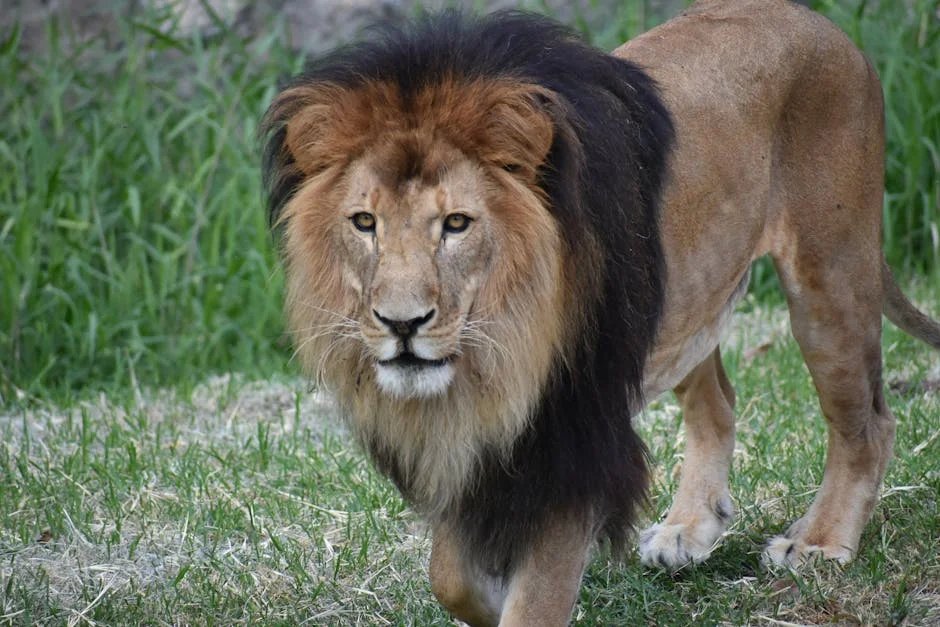
The tragic killing of Cecil the Lion in 2015 by an American dentist sparked worldwide outrage, raising critical questions about wildlife conservation in Africa. This incident, which took place in Zimbabwe, not only highlighted the plight of big cats but also underscored the challenges and opportunities facing African nations in achieving sustainable development goals.
Global Outrage and Its Implications for African Wildlife
The death of Cecil, a well-known lion in Hwange National Park, sent shockwaves across the globe. The reaction was swift, with social media campaigns and protests urging governments to take a firm stance against trophy hunting. This event has since become a rallying point for animal rights advocates and conservationists, who argue that the killing of iconic animals like Cecil poses a significant threat to biodiversity.
The Intersection of Conservation and Economic Growth
For many African nations, the dilemma lies in balancing economic growth with environmental sustainability. Countries like Zimbabwe rely on tourism, particularly wildlife tourism, as a major source of revenue. The outrage surrounding Cecil's death prompted discussions on how to implement more effective conservation strategies while ensuring that local communities benefit economically from wildlife preservation.
Challenges in Governance and Policy Implementation
Despite the global attention on conservation, many African countries face significant challenges in governance and law enforcement. Corruption, lack of resources, and inadequate policies complicate efforts to protect wildlife. The Cecil incident has brought to light these issues, urging governments to fortify regulations against poaching and illegal hunting practices. Ultimately, robust governance is essential for aligning conservation efforts with national development goals.
Health and Education: The Ripple Effects of Wildlife Conservation
Conserving wildlife like Cecil can have far-reaching effects beyond the environment. Healthy ecosystems contribute to community health and well-being. Furthermore, educating local populations about the importance of biodiversity can empower communities, fostering a sense of responsibility towards wildlife protection. Programs that integrate education and conservation efforts can help in achieving broader development goals, particularly in health and education sectors.
What the Future Holds: Opportunities for Collaboration
The global outrage following Cecil's killing presents an opportunity for African nations to engage more deeply with international partners on conservation efforts. Collaborative initiatives can lead to sustainable tourism models that benefit both wildlife and local communities. There is a growing recognition that protecting wildlife is not just an ethical obligation but also a path towards achieving economic stability and growth in Africa.
As discussions continue around how Cecil's legacy can inform future conservation efforts, it is essential for African governments to address the underlying challenges of governance, economic disparity, and public education. By doing so, they can effectively harness the opportunities that wildlife conservation presents, ultimately contributing to the continent's development goals.
Frequently Asked Questions
What is the latest news about cecil the lions legacy how his death sparks global conservation debate?
The tragic killing of Cecil the Lion in 2015 by an American dentist sparked worldwide outrage, raising critical questions about wildlife conservation in Africa.
Why does this matter for technology-innovation?
The reaction was swift, with social media campaigns and protests urging governments to take a firm stance against trophy hunting.
What are the key facts about cecil the lions legacy how his death sparks global conservation debate?
Countries like Zimbabwe rely on tourism, particularly wildlife tourism, as a major source of revenue.
Furthermore, educating local populations about the importance of biodiversity can empower communities, fostering a sense of responsibility towards wildlife protection. The Cecil incident has brought to light these issues, urging governments to fortify regulations against poaching and illegal hunting practices.