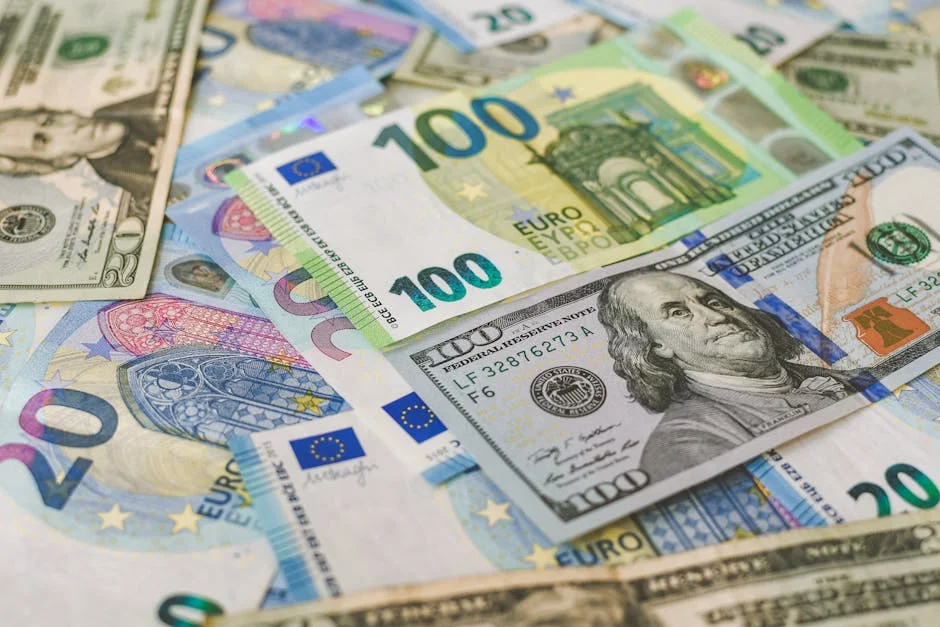
On the latest financial markets update, the Euro has dipped below $1.18 amid shifting global economic currents, prompting discussions on its implications for African development. The move, which occurred recently, signals broader trends influenced by the latest decisions from the Reserva Federal.
Impact of Euro Fluctuations on African Economies
The depreciation of the Euro is significant for African nations, especially those engaged in trade with Europe. As many countries on the continent rely heavily on exports to Europe, a weaker Euro could impact their revenue streams. For instance, nations like Nigeria and South Africa, which have strong trade links with the Eurozone, may see their export values diminish, leading to reduced economic growth.

Why Euro Developments Matter for Infrastructure Investments
Infrastructure development in Africa is often contingent on foreign investments. With the Euro's decline, European investors might reassess their financial commitments to African projects. This shift could hinder ongoing infrastructure initiatives, including transport and energy projects critical for economic growth. Investment in these areas is essential to meet the African Union's Agenda 2063 goals, which aim to accelerate economic growth and development across the continent.
Health and Education: The Ripple Effect of Currency Fluctuations
Currency instability can also affect international aid and partnerships in health and education sectors. Many African countries depend on Euro-denominated funds for various health programmes and educational initiatives. A weaker Euro might reduce the purchasing power of these funds, complicating service delivery and undermining efforts to improve health outcomes and educational access.
Governance Challenges Amid Currency Pressures
The economic pressure from a fluctuating Euro can exacerbate governance challenges in African nations. As revenues decline, governments may face increased difficulties in financing public services, leading to heightened social unrest. This situation could slow down progress on governance reforms that are vital for political stability and economic resilience.
Future Prospects: Monitoring the Reserva Federal's Moves
The latest news from the Reserva Federal provides critical context for understanding the Euro's position. As the Federal Reserve adjusts interest rates in response to inflationary pressures, the resulting global economic landscape will significantly influence the Euro's value. African countries must remain vigilant, as these developments could present both challenges and opportunities. An understanding of how the Euro and the US dollar interact is essential for policymakers aiming to navigate the complexities of international trade and finance effectively.