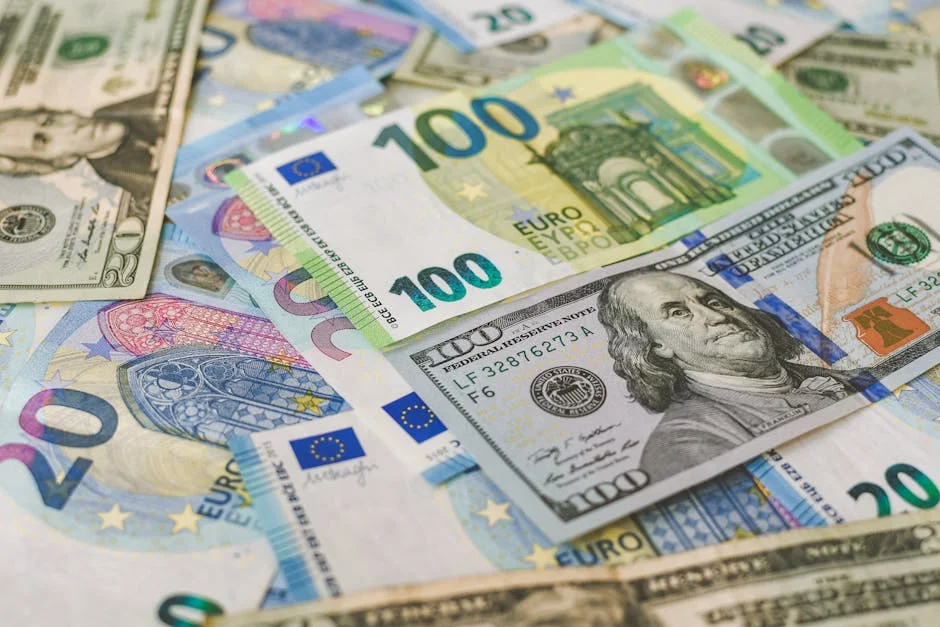
EDPR, a prominent player in the renewable energy sector, reported a remarkable turnaround by posting a profit of €216 million in 2025. This development, revealed in a recent financial report, raises significant questions about the potential impact on Nigeria's energy sector as the country grapples with its own challenges in sustainability and infrastructure development.
EDPR's Financial Recovery: A Closer Look
The financial report released by EDPR outlined a substantial recovery from previous losses, showcasing not only a profitable year but also a commitment to renewable energy projects across Europe and the Americas. The profit, attributed to increased investments in wind and solar energy, indicates a growing trend towards sustainable practices in the energy sector.
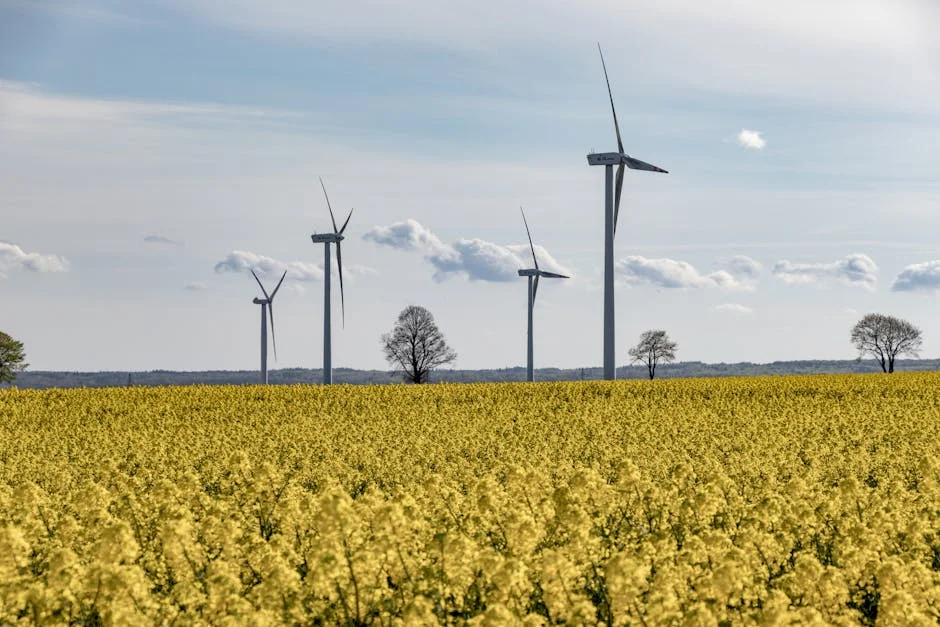
The Implications for Nigeria’s Energy Goals
Nigeria, facing a severe energy crisis, stands to learn valuable lessons from EDPR's success. With only about 60% of the population having access to electricity, the need for sustainable energy solutions is more pressing than ever. EDPR's profit could inspire Nigerian stakeholders to pursue similar investments in renewable energy, aligning with the African Union's Agenda 2063, which emphasises sustainable development and energy access.
Contextualising the Energy Crisis
The World Bank and other development partners have consistently highlighted Nigeria's energy challenges, which include inadequate infrastructure, regulatory hurdles, and a reliance on fossil fuels. EDPR's financial success illustrates how diversifying energy sources can yield economic benefits, potentially encouraging Nigeria to adopt policies that promote investment in renewable energy.
Opportunities for Investment in Renewable Energy
The success of companies like EDPR signals a global shift towards renewable energy, presenting opportunities for Nigeria to attract foreign investment. As the country seeks to bolster its energy infrastructure, partnerships with companies experienced in renewables could facilitate technology transfer and job creation. The potential for a thriving renewable energy sector could also enhance Nigeria's economic growth.
Governance and Policy Framework: Key to Realising Potential
For Nigeria to capitalise on the opportunities presented by renewable energy investments, effective governance and a robust policy framework are essential. The government must create an enabling environment that encourages private sector participation and ensures transparency in energy projects. This approach not only fosters trust among investors but also aligns with broader development goals such as improving education and health outcomes through enhanced energy access.
Looking Ahead: The Road to Sustainable Development
The latest news from EDPR serves as a timely reminder of the importance of sustainability in economic growth. As Nigeria continues to grapple with its energy crisis, the lessons learned from EDPR's profitability could pave the way for innovative approaches to energy generation. This is particularly crucial as the continent strives to meet the United Nations’ Sustainable Development Goals, which include ensuring access to affordable, reliable, and sustainable energy for all by 2030.
Frequently Asked Questions
What is the latest news about edpr turns profit with 216 million in 2025 implications for nigeria?
EDPR, a prominent player in the renewable energy sector, reported a remarkable turnaround by posting a profit of €216 million in 2025.
Why does this matter for economy-business?
The profit, attributed to increased investments in wind and solar energy, indicates a growing trend towards sustainable practices in the energy sector.The Implications for Nigeria’s Energy GoalsNigeria, facing a severe energy crisis, stands to learn
What are the key facts about edpr turns profit with 216 million in 2025 implications for nigeria?
EDPR's profit could inspire Nigerian stakeholders to pursue similar investments in renewable energy, aligning with the African Union's Agenda 2063, which emphasises sustainable development and energy access.Contextualising the Energy CrisisThe World