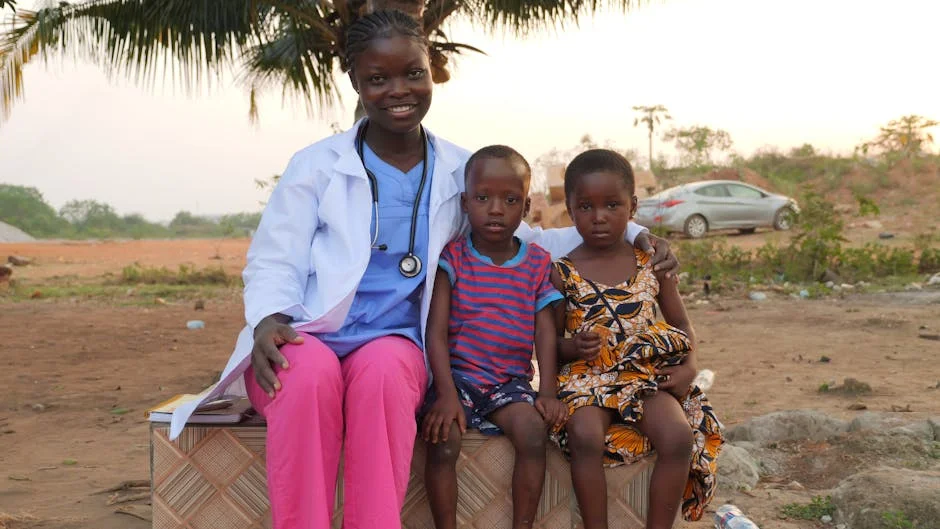
Lead paragraph: The World Health Organization (WHO) recently convened global experts in Brazzaville, Congo to enhance clinical care for filovirus diseases, including Ebola and Marburg. This initiative, held on October 15-17, 2023, aims to strengthen health responses across Africa, addressing a critical gap in preparedness and response strategies.
Context and Background
Filovirus diseases, particularly Ebola and Marburg, have posed significant health threats in Africa over the past decades. The outbreaks have not only led to considerable loss of life but have also strained healthcare systems and delayed economic growth. As part of the African Union's Agenda 2063, which emphasizes health security and resilient health systems, this WHO meeting seeks to galvanise support and resources to combat these diseases effectively.

Key Developments
During the three-day conference, experts shared insights on improving clinical care, enhancing surveillance systems, and fostering regional cooperation among health authorities. Key stakeholders, including representatives from African governments, international organisations, and health NGOs, participated in workshops aimed at developing actionable frameworks for better management of filovirus outbreaks.
Details and Evidence
According to WHO data, Africa has experienced over 30 Ebola outbreaks since 1976, with the most significant occurring in West Africa between 2014 and 2016, resulting in over 11,000 deaths. The recent emergence of Marburg virus cases in Ghana has underscored the need for robust health systems capable of swiftly responding to such threats. The conference highlighted the necessity for improved diagnostic capabilities, treatment protocols, and community engagement strategies to enhance public health preparedness.
Analysis: African development and pan-African perspective
This WHO initiative is crucial in the context of African development goals as it aligns with the continent's commitment to improving health outcomes as outlined in the Sustainable Development Goals (SDGs). By enhancing clinical care for filovirus diseases, African nations can improve healthcare infrastructure, ultimately leading to better health security and economic stability. The collaborative efforts fostered by this meeting can serve as a model for addressing other health challenges, reinforcing the importance of a united front in tackling health issues across the continent.
Impact and Implications
The outcomes of this conference are expected to have far-reaching implications for public health in Africa, particularly in nations that have been historically vulnerable to filovirus outbreaks. Strengthening clinical care and regional cooperation can lead to more effective responses in future outbreaks, reducing mortality rates and bolstering public trust in health systems. Stakeholders should watch for follow-up initiatives and policy changes that may arise from this meeting, which could redefine health governance in Africa.
Outlook
Looking ahead, experts predict that ongoing collaboration among African nations will be essential in managing and mitigating the risks posed by filovirus diseases. As countries invest in health infrastructure and capacity building, the focus will also need to remain on comprehensive education and community engagement to ensure preparedness at all levels. Readers should stay informed about subsequent developments from this WHO conference, particularly the implementation of recommendations that will shape the continent’s health landscape in the coming years.
The conference highlighted the necessity for improved diagnostic capabilities, treatment protocols, and community engagement strategies to enhance public health preparedness.Analysis: African development and pan-African perspectiveThis WHO initiative is crucial in the context of African development goals as it aligns with the continent's commitment to improving health outcomes as outlined in the Sustainable Development Goals (SDGs). The collaborative efforts fostered by this meeting can serve as a model for addressing other health challenges, reinforcing the importance of a united front in tackling health issues across the continent.Impact and ImplicationsThe outcomes of this conference are expected to have far-reaching implications for public health in Africa, particularly in nations that have been historically vulnerable to filovirus outbreaks.