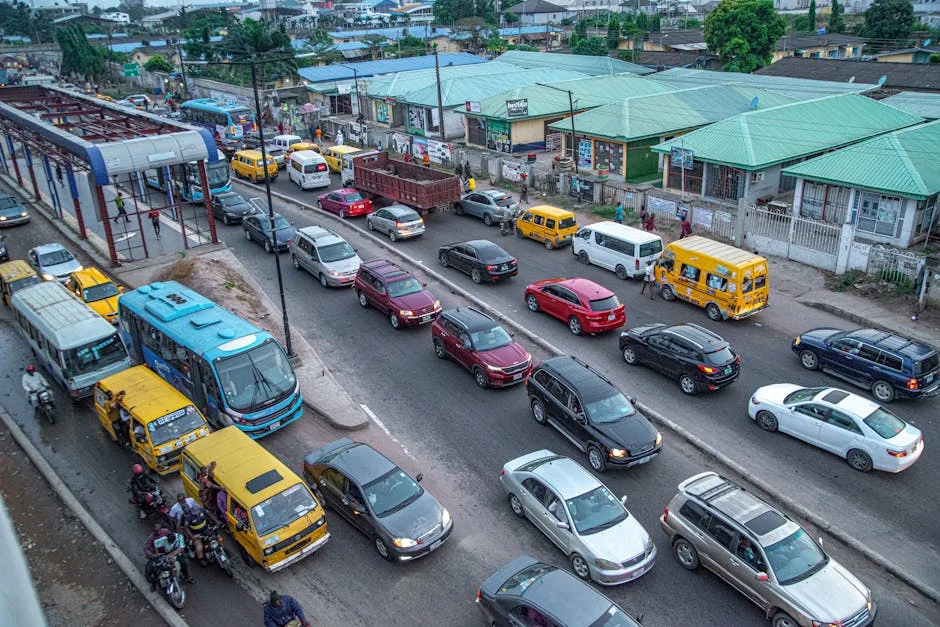
As global hunger crises escalate, experts are calling for increased media attention on the impact of these issues on the Global South, particularly Nigeria. Reports indicate that millions are suffering from food insecurity, yet coverage remains alarmingly sparse.
Media Apathy Towards Hunger in the Global South
Recent studies reveal that the media's focus on hunger crises in the Global South has significantly dwindled, with coverage often limited to sensational headlines rather than in-depth analysis. According to a report by the Food and Agriculture Organization (FAO), over 250 million people in Africa are facing severe food shortages, with Nigeria being one of the hardest-hit nations. Experts argue that this neglect is detrimental to raising awareness and mobilising resources necessary for effective interventions.
The Role of Media in Shaping Public Perception
The media plays a crucial role in shaping public perception and policy-making, especially regarding humanitarian crises. In Nigeria, for instance, the ongoing insurgency in the northeast region has exacerbated food insecurity, yet news reports often focus on violence rather than the humanitarian implications of these events. Dr. Amina Bello, a Nigerian journalist and food security advocate, stated, "The media has a responsibility to inform the public about the true scale of hunger crises; without this, we risk complacency and inaction."
How Global Hunger Influences Nigerian Development Goals
The persistence of hunger in Nigeria directly impacts the country's development goals. The United Nations' Sustainable Development Goal 2 aims to end hunger and ensure food security by 2030, yet Nigeria's current trajectory suggests this may not be achievable without immediate intervention. Infrastructure deficiencies, insufficient agricultural investment, and poor governance complicate the situation further. Analysts stress that the neglect of hunger in media narratives hampers efforts to mobilise support for agricultural reform and investment.
Potential Opportunities for Development Amidst Crisis
Despite the dire circumstances, opportunities for development exist. The African Continental Free Trade Area (AfCFTA) offers a platform for trade that could potentially enhance food security by fostering intra-continental cooperation. By promoting local agriculture and reducing dependency on imports, Nigeria could improve its food sovereignty. However, for these opportunities to be realised, the media must play a proactive role in informing the public and policymakers about the ongoing crises and the solutions available.
Consequences of Media Neglect on Future Policies
The ongoing neglect of global hunger crises by the media could lead to dire consequences for Nigeria's socio-economic landscape. As food insecurity continues to rise, the nation risks facing heightened social unrest, increased poverty levels, and a slowdown in economic growth. Experts warn that without comprehensive media coverage and public engagement, the pressing issues of hunger and insecurity will remain unaddressed, hindering Nigeria's progress towards achieving its development goals.
Analysts stress that the neglect of hunger in media narratives hampers efforts to mobilise support for agricultural reform and investment.Potential Opportunities for Development Amidst CrisisDespite the dire circumstances, opportunities for development exist. By promoting local agriculture and reducing dependency on imports, Nigeria could improve its food sovereignty.