Monday Forex Rates for the Gambian Dalasi: A Closer Look at Currency Fluctuations
On this Monday morning, the Gambian Dalasi (GMD) exhibited notable movements against major foreign currencies, reflecting ongoing economic trends and external influences shaping the country's financial landscape. As the nation grapples with post-pandemic recovery, inflationary pressures, and regional economic shifts, understanding the current forex rates becomes crucial for investors, traders, and policymakers alike. This report provides an in-depth analysis of the latest currency exchange rates, the factors influencing them, and what they signify for the Gambian economy.
The Current Forex Landscape: Key Exchange Rates
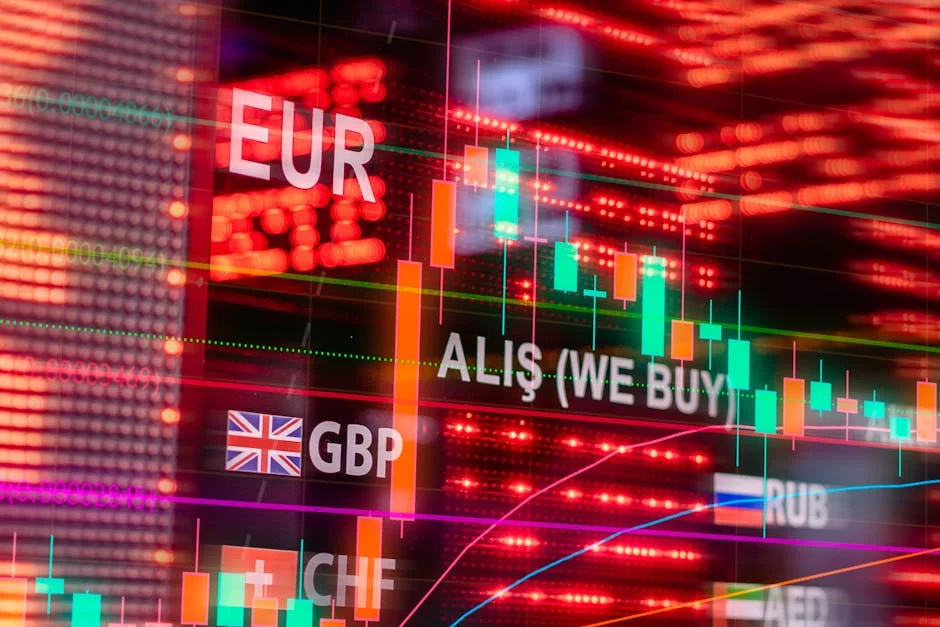
As of Monday, the foreign exchange rates for the Gambian Dalasi against some of the world's leading currencies are as follows:
- USD (United States Dollar): 51.25 GMD
- EUR (Euro): 54.80 GMD
- GBP (British Pound): 62.30 GMD
- CFP Franc (XPF): 0.45 GMD
- Chinese Yuan (CNY): 7.50 GMD
These rates showcase slight fluctuations compared to the previous week, with the US dollar maintaining a relatively stable position, while the euro and pound exhibit minor changes reflecting broader regional and global economic sentiments.
Factors Shaping the Gambian Dalasi’s Performance
External Economic Influences
The Gambian economy is heavily dependent on external trade and remittances, which directly influence the Dalasi’s value. Recent developments in the global economy, including inflationary trends in the United States and Europe, have impacted currency demand and supply.
The strengthening of the US dollar against several global currencies has been a significant factor. Rising US interest rates, aiming to curb inflation, have attracted foreign investment into dollar-denominated assets, thus reinforcing the dollar's dominance. Consequently, emerging market currencies like the Dalasi often face depreciation pressures.
Domestic Economic Policies and Performance
Domestically, the Central Bank of The Gambia (CBG) has maintained a cautious approach, balancing inflation control with economic growth stimulation. Recent monetary policy adjustments include interest rate tweaks and foreign exchange interventions aimed at stabilizing the Dalasi.
Inflation remains a concern, driven by rising food and fuel prices, which can erode purchasing power and influence exchange rates. The government’s efforts to bolster agricultural productivity and diversify the economy are ongoing but face challenges amid global supply chain disruptions.
Regional and Political Dynamics
Political stability in The Gambia and the West African region plays a vital role in currency stability. Regional cooperation efforts, such as ECO and ECOWAS initiatives, aim to foster economic integration, which could impact exchange rates positively in the long term.
Conversely, geopolitical tensions or regional conflicts tend to create volatility, prompting investors to seek safer assets, often in hard currencies like the US dollar or euro.
Implications for Trade and Investment
Fluctuations in forex rates directly influence the cost of imports and exports. For Gambian traders, a stronger dollar makes imported goods more expensive, potentially contributing to inflation. Conversely, a weaker Dalasi could boost exports by making Gambian products more competitively priced abroad.
For foreign investors, stable or appreciating currencies reduce exchange rate risks, encouraging more foreign direct investment (FDI). Currently, the moderate stability of the Dalasi provides a cautiously optimistic environment for investment, especially in sectors like agriculture, tourism, and infrastructure.
Impact on Consumers and Businesses
Consumers are feeling the pinch from rising prices on essential goods, many of which are imported. Small businesses face higher operational costs, which may translate into increased prices for consumers or reduced profit margins.
On the other hand, sectors focused on exports, such as fisheries and agricultural products, stand to benefit from favorable exchange rates, potentially boosting revenues for local farmers and entrepreneurs.
Historical Trends and Future Outlook
Over the past year, the Gambian Dalasi has experienced modest depreciation, influenced by global dollar strength and domestic economic challenges. However, recent interventions by the Central Bank of The Gambia have aimed to mitigate excessive volatility.
Looking ahead, several factors could influence future exchange rate movements:
- Global monetary policy decisions, particularly in the United States and European Union
- Progress in domestic economic reforms and infrastructure development
- Regional trade agreements and geopolitical stability
- Commodity price fluctuations, especially for key exports like fish and groundnuts
- Inflation control measures undertaken by local authorities
Analysts suggest that if current global trends persist, the Dalasi may experience slight depreciation but remain relatively stable if regional cooperation and internal reforms continue effectively.
Expert Opinions and Market Sentiment
Financial experts in The Gambia emphasize cautious optimism. "While external pressures are significant, the government's proactive measures in monetary policy and economic diversification are vital in maintaining currency stability," said Dr. Lamin Ceesay, an economist at the University of The Gambia.
Market sentiment remains sensitive to global developments, especially US Federal Reserve policies. Traders and investors are advised to monitor international economic indicators closely to anticipate potential currency movements.
Conclusion: Navigating Currency Fluctuations in a Complex Environment
The Gambian Dalasi's current performance against major currencies reflects a confluence of global economic trends, domestic policies, and regional dynamics. While moderate fluctuations are expected, sustained efforts toward economic stability and diversification are essential for ensuring long-term resilience.
For Gambian consumers, traders, and policymakers, staying informed about forex rate shifts and their underlying causes is crucial in making strategic decisions. As the country continues to recover and adapt to changing global circumstances, the currency's trajectory will remain a key indicator of overall economic health.
In the coming months, close monitoring of global monetary policies, regional cooperation initiatives, and domestic reforms will be pivotal. The Gambian Dalasi, like many emerging market currencies, will navigate a landscape marked by opportunities and challenges in the pursuit of sustainable growth.
Looking ahead, several factors could influence future exchange rate movements: Global monetary policy decisions, particularly in the United States and European Union Progress in domestic economic reforms and infrastructure development Regional trade agreements and geopolitical stability Commodity price fluctuations, especially for key exports like fish and groundnuts Inflation control measures undertaken by local authorities Analysts suggest that if current global trends persist, the Dalasi may experience slight depreciation but remain relatively stable if regional cooperation and internal reforms continue effectively. Conclusion: Navigating Currency Fluctuations in a Complex Environment The Gambian Dalasi's current performance against major currencies reflects a confluence of global economic trends, domestic policies, and regional dynamics.