High-Level Delegation from AfDB and UNHCR Arrives in Central African Republic to Strengthen Regional Cooperation
In a significant diplomatic move, officials from the African Development Bank (AfDB) and the United Nations High Commissioner for Refugees (UNHCR) embarked on an official visit to the Central African Republic (CAR) on April 24, 2024. The visit, which lasted several days, aimed to assess ongoing development projects, bolster regional cooperation, and address the ongoing humanitarian challenges in the country. With CAR facing persistent instability, internal displacement, and economic hardship, the presence of both AfDB and UNHCR representatives signals a renewed commitment to supporting the nation's recovery and development efforts.
Meeting with Government Officials Highlights Shared Commitment
The delegation, led by AfDB’s regional director for Central Africa and UNHCR’s regional representative, convened with CAR’s government officials, including the Prime Minister and the Minister of Planning. During high-level talks, both sides reaffirmed their commitment to fostering sustainable development and improving the living conditions of vulnerable populations.
Key points discussed included:
- Investment in infrastructure projects, particularly in transportation and energy sectors.
- Enhancement of social services, including health and education facilities.
- Strategies for managing and integrating internally displaced persons (IDPs) and refugees.
- Collaborative efforts to combat ongoing security threats that hinder development initiatives.
Focus on Humanitarian Assistance and Refugee Support
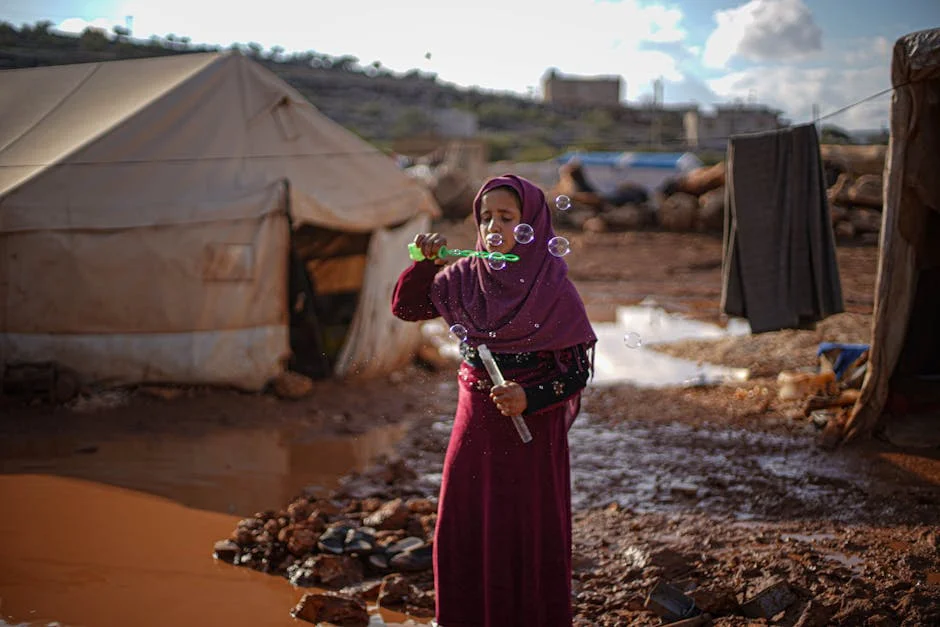
The UNHCR delegation emphasized the importance of addressing the needs of over 600,000 internally displaced persons and refugees currently residing within CAR. The agency plans to increase aid programs, expand shelter and health services, and facilitate community reintegration projects. The visit coincided with a recent UNHCR report highlighting the deteriorating humanitarian situation, which underscores the urgency of coordinated action.
UNHCR’s regional representative stated, “Our presence here is a testament to our commitment to protect and support some of the most vulnerable populations in the region. We are working closely with the government and partners to ensure sustainable solutions.”
AfDB’s Strategic Investment Initiatives in CAR
The African Development Bank, which has been active in CAR since 2010, outlined its current projects and future plans aimed at fostering economic resilience. Among these initiatives are:
- The ongoing reconstruction of road networks connecting rural communities to main trade hubs.
- The launch of renewable energy projects, including solar power installations to improve electricity access in remote areas.
- Support for small and medium-sized enterprises (SMEs) to stimulate local employment and economic growth.
AfDB regional director emphasized that “sustainable development is at the core of our engagement in CAR. We are committed to building infrastructure that supports long-term growth and stability.”
Addressing Security Challenges: A Joint Approach
Security remains a primary concern in CAR, where ongoing conflicts and banditry threaten peace and development. During the visit, security issues were a central topic of discussion, with officials from both organizations stressing the importance of a joint approach.
UNHCR highlighted its role in protecting displaced populations and facilitating dialogue with armed groups, while AfDB stressed the need for stabilizing infrastructure and economic opportunities to reduce vulnerabilities that fuel conflict.
Both organizations pledged to increase their cooperation with the Central African Armed Forces and peacekeeping missions, aiming to create a safer environment conducive to development projects.
Community Engagement and Local Development Projects
Part of the delegation’s itinerary included visits to local communities in the provinces of Ouham and Nana-Grébizi. These visits provided firsthand insights into the challenges faced by residents, particularly in accessing healthcare, education, and economic opportunities.
In one such community, local leaders expressed appreciation for ongoing projects but voiced concerns about the need for more sustained support. Residents emphasized the importance of involving local populations in decision-making processes to ensure that development initiatives are culturally appropriate and sustainable.
The delegation reaffirmed their commitment to community-led development, supporting capacity-building programs that empower local leaders and promote participatory planning.
The Road Ahead: Strategic Plans and Future Collaborations
Following the visit, both AfDB and UNHCR outlined their strategic priorities for the coming years in CAR. These include:
- Scaling up infrastructure investments, particularly in transport, energy, and water supply.
- Expanding humanitarian aid programs to cover more displaced persons and vulnerable populations.
- Enhancing governance and transparency to ensure effective use of resources.
- Building resilience through climate adaptation projects, especially in agriculture and renewable energy sectors.
- Fostering regional integration by strengthening cross-border cooperation with neighboring countries.
Both organizations expressed optimism about the prospects of peace and development, emphasizing that coordinated efforts are essential to achieving long-term stability in Central Africa.
In closing, the AfDB and UNHCR officials committed to maintaining ongoing dialogue with CAR’s government and development partners, aiming to translate their visit into tangible progress for the nation’s future.