Nigeria and the United States signed a framework agreement on Wednesday to deepen American investment in the West African nation's mining sector. The deal targets the exploitation of mineral resources that Lagos estimates are worth $700 billion. This partnership marks a direct effort to channel US capital into the country's vast but underdeveloped mineral wealth.
Framework Details and Immediate Stakes
The agreement establishes a structured pathway for American companies to enter the Nigerian mining market. It focuses on increasing foreign direct investment in the extraction and processing of critical minerals. The framework aims to modernize the sector by bringing in advanced technology and capital from the US. This move aligns with broader efforts to diversify the Nigerian economy away from oil dependence.
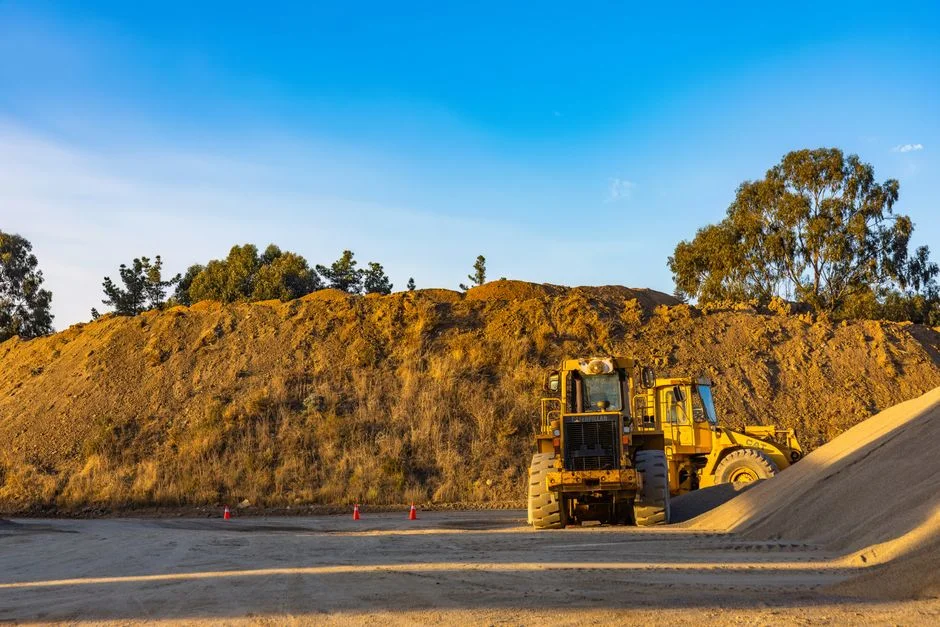
Lagos has long touted its mineral potential, citing the $700 billion valuation of its resources. These resources include gold, limestone, bitumen, and coal, among others. The new framework seeks to unlock this value by reducing barriers for American investors. It provides a clearer regulatory environment for those looking to explore and extract these materials.
The signing on Wednesday signals a shift in how Nigeria approaches foreign partnerships in the extractive industry. Instead of ad-hoc deals, the framework offers a more systematic approach. This structure is designed to attract larger, more sustained investment from US firms. It also positions Nigeria as a key destination for American capital in West Africa.
The West African analysis of this deal highlights the strategic importance of mineral resources in global supply chains. As demand for minerals used in electronics and renewable energy grows, Nigeria's position becomes more significant. The framework could accelerate the development of infrastructure needed to support mining operations. This includes roads, power, and processing facilities.
US involvement in this sector could bring new standards and practices to the Nigerian mining industry. American companies often bring advanced technology and stricter environmental and social governance standards. This could lead to more efficient extraction and better environmental outcomes. It also raises the profile of Nigeria's mineral sector on the global stage.
The Wednesday developments explained by officials point to a mutual interest in economic growth. For Nigeria, the goal is to create jobs and generate revenue from its natural resources. For the US, it is an opportunity to secure access to critical minerals and expand its economic footprint in Africa. The framework serves as a foundation for these shared objectives.
The $700 billion valuation is a key figure cited by Nigerian authorities to justify the push for investment. It represents the estimated value of the country's untapped mineral reserves. The framework aims to realize a portion of this value through increased production and exports. This could significantly boost Nigeria's GDP if the investments materialize as planned.
The signing of the agreement is a concrete step towards realizing this potential. It moves the relationship from discussion to action. American companies can now operate with greater certainty about the regulatory landscape. This clarity is essential for making long-term investment decisions in a sector that requires significant upfront capital.
The Wednesday impact on Nigeria extends beyond just mining. It sets a precedent for how the country engages with major economic powers. The framework could encourage other nations to seek similar agreements. It also demonstrates Nigeria's willingness to adapt its policies to attract foreign investment. This could have broader implications for the country's economic diplomacy.
As the framework takes shape, the focus will shift to implementation. American companies will begin to assess specific projects and opportunities. Nigerian authorities will work to ensure that the regulatory environment remains stable and attractive. The success of this partnership will depend on how effectively the framework is executed.
Stakeholders will watch for the first major investment announcements under the new framework. These will indicate the level of interest from US firms and the pace of development. The next few months will be critical in determining whether the agreement translates into tangible economic gains for Nigeria.
See Also
- Kazeem Royal Properties Partners with APPN to Elevate Nigeria's Plumbing Standards
- PAC Capital Wins Seven Global Awards, Signals New Era for Nigerian Finance
For the US, it is an opportunity to secure access to critical minerals and expand its economic footprint in Africa. The $700 billion valuation is a key figure cited by Nigerian authorities to justify the push for investment.
What is the latest news about nigeria and us sign mining framework to boost investment?
Why does this matter for economy-business?
What are the key facts about nigeria and us sign mining framework to boost investment?