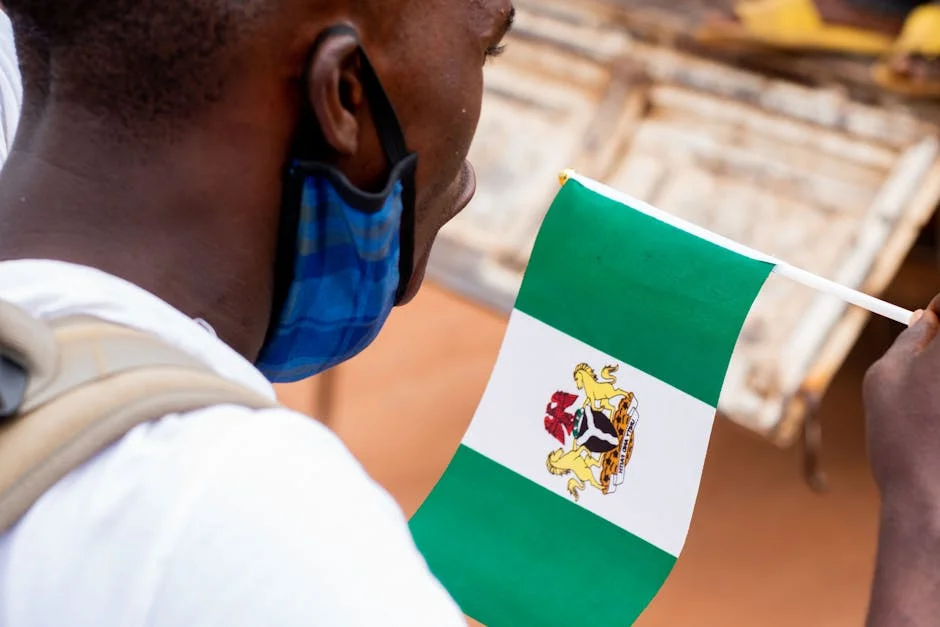
The Federal Government of Nigeria on Tuesday announced a N500 billion Land Trust Fund designed to remove the biggest obstacle blocking young people from commercial agriculture: secure access to land. Officials say the scheme will hand out 100,000 hectares with clear titles in three pilot states, allowing beneficiaries to use their plots as collateral for bank loans for the first time.
What the Fund Does
Agriculture has long suffered from a paradox in Nigeria. The country sits on 84 million hectares of arable land, yet most of it carries no formal ownership documentation. Without a title deed, a 25-year-old farmer cannot walk into a bank and borrow N5 million to buy seeds or equipment. The Federal Government believes the new trust solves that by acting as an intermediary that holds land titles on behalf of youth beneficiaries, reducing the risk for lenders.
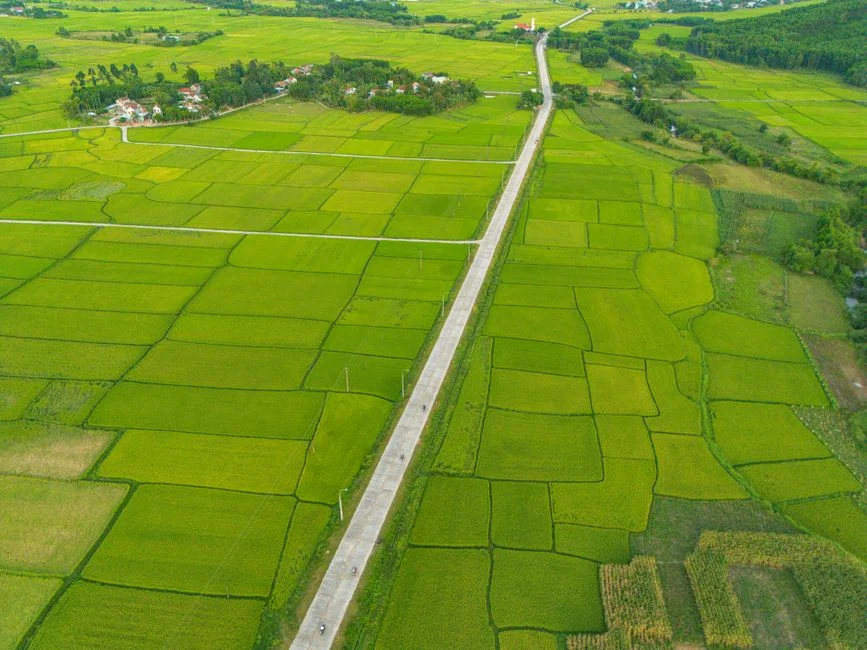
The scheme targets Nigerians aged 18 to 35 who want to farm but lack inheritance or capital. In return for registering with the programme, participants receive documented rights to their allocated plots within 90 days of application. The trust holds those titles in escrow, shielding young farmers from predatory leasing and sudden eviction. Minister of Agriculture Abubakar Kyari said this approach supports youth without handing large tracts to wealthy investors.
Why Land Titles Matter
Nigeria's farming population is greying. The average Nigerian farmer is now 60 years old, and roughly 40 percent of arable land lies fallow because of fragmented ownership and disputes. At the same time, more than half of Nigerian youth are unemployed. The Federal Government argues these two crises are connected — and that unlocking land for young people can address both simultaneously.
The trust also makes commercial lending viable for agriculture. The Central Bank of Nigeria reports that agric loans make up less than 4 percent of total bank lending, mainly because lenders view farms without formal titles as high-risk collateral. By transferring title risk to the trust, banks can write loans against those assets without fear of losing them in legal disputes.
Three States, Then the Country
The programme will run first in Nasarawa, Oyo, and Rivers states. Officials chose those locations based on existing farming activity, land availability, and state government readiness. A monitoring dashboard will track uptake, default rates, and productivity outcomes before any national rollout.
Beneficiaries can apply through the Federal Ministry of Agriculture's portal starting next month. The ministry will coordinate with state land bureaus to verify plots and issue titles within 90 days. By December, the first cohort of young farmers should have registered land rights in hand, ready to approach banks for financing.
Financing the Vision
The Federal Government has allocated N200 billion in the 2024 budget for rural infrastructure connected to the programme. That money covers roads, storage facilities, and irrigation networks that beneficiaries will need once they have titles in hand. Without those basics, a land title alone does not put food on tables or money in bank accounts.
Nigeria currently spends approximately N3 trillion importing food each year. Officials believe that figure can shrink substantially if young farmers gain access to both land and working capital. The Federal Ministry of Agriculture is working with the Nigeria Youth Investment Fund and the African Development Bank on technical assistance and co-financing for larger farm operations.
What Could Go Wrong
Sceptics point to a long history of land reform failures in Nigeria. Decades of communal ownership, overlapping state and federal jurisdiction, and weak documentation systems have tangled property rights across the country. A trust fund cannot resolve inheritance disputes or ethnic land conflicts overnight.
Infrastructure gaps also pose a risk. Dr. Oluwafemi Oladipo, head of Agricultural Economics at the University of Ibadan, noted that providing land titles without guaranteed roads or storage simply shifts the problem — young farmers will still struggle to get produce to market. He urged the government to treat infrastructure spending as inseparable from land allocation.
The programme also requires buy-in from traditional rulers and community leaders, who control large portions of rural land. Without their cooperation, allocated plots could face resistance on the ground even after ministry approval.
Continental Context
The launch positions Nigeria alongside several African nations experimenting with structured land access for youth. Ghana has its Youth Entrepreneurship Programme, Kenya runs a farmland lease scheme for under-35s, and Rwanda has used cooperative farming models to bring younger workers into the sector. The African Development Bank has made catalytic financing for youth employment a priority across the continent.
AfDB President Akinwumi Adesina praised Nigeria's approach in a statement, calling the trust fund a model for agricultural transformation. The African Continental Free Trade Area agreement adds another layer of urgency — nations that cannot produce enough food domestically will struggle to negotiate favourable trade terms as tariff walls come down.
What Comes Next
State governments in the three pilot regions must finalise land verification agreements with the Federal Ministry by the end of this month. The ministry will then open its application portal and begin processing the first batch of beneficiaries. Programme managers expect the first harvest cycle from trust-allocated plots to begin in the 2025 planting season.
Watch for the mid-year review report, which will determine whether the three-state model expands or requires redesign. If the scheme delivers on its promise, the Federal Government has signalled interest in replicating it across all 36 states by 2026. The next 12 months will show whether Nigeria's land trust can actually change the math for young people considering a future in farming.
See Also
- Kairo Forbes Wins Junior Model of the Year 2026 — and Sparks National Debate
- Pentagon Confirms Navy Chief Phelan's Sudden Exit — What It Means for Nigeria
Without those basics, a land title alone does not put food on tables or money in bank accounts.Nigeria currently spends approximately N3 trillion importing food each year. That money covers roads, storage facilities, and irrigation networks that beneficiaries will need once they have titles in hand.