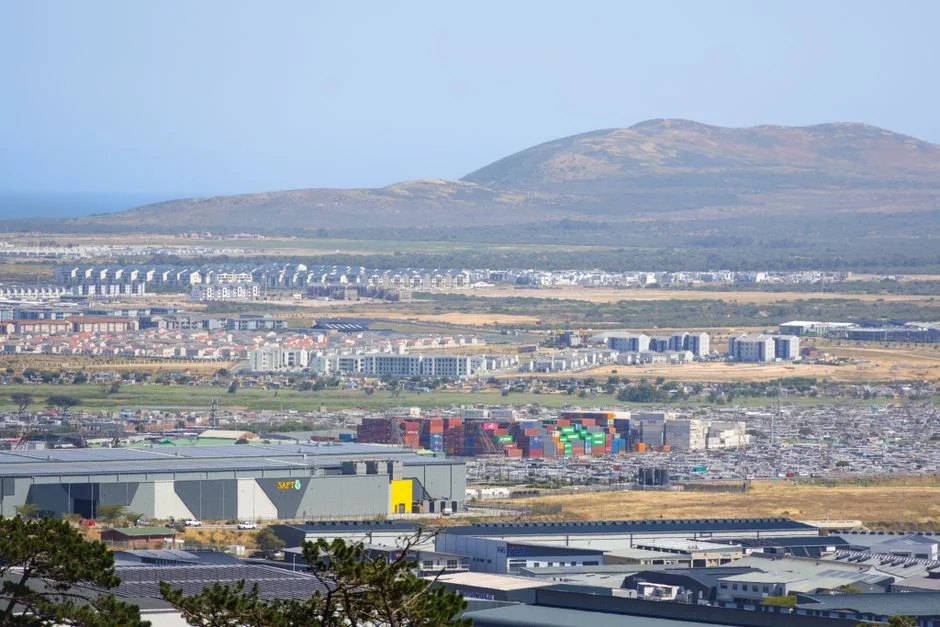
Nigeria has announced a new initiative aimed at securing a stable energy supply critical for its industrial growth, which has suffered significantly due to frequent power outages. The initiative comes in the wake of a report by the National Electric Power Regulatory Commission (NERC) highlighting that the country currently generates only 4,000 megawatts, failing to meet the growing energy demands of its burgeoning population and economy.
Current Energy Challenges in Nigeria
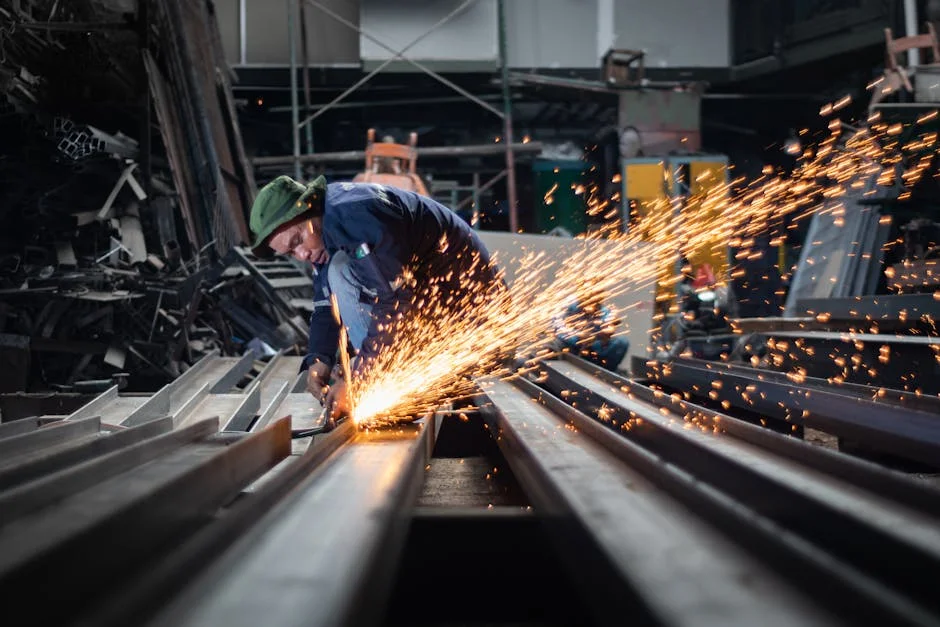
In Nigeria, frequent power cuts have stifled local businesses and deterred foreign investment. As a result, manufacturers are facing production downtimes, costing the economy approximately $29 billion annually. The situation is particularly dire in Lagos, where businesses struggle to maintain operations due to inconsistent power supply.
Currently, 85 million Nigerians lack access to reliable electricity, according to NERC. The Nigerian government acknowledges that achieving stable energy is fundamental to meeting its industrialisation goals and stimulating growth across various sectors.
African Development Goals at Stake
The quest for stable energy resonates with the African Union’s Agenda 2063, which aims to promote sustainable development through industrialisation. With energy being a key driver for development, countries that fail to secure their energy supply risk hindering their progress on these continental goals.
In a recent summit, African leaders established energy security as a priority area, underscoring its vital role in fostering economic growth, improving health systems, and enhancing education. The integration of renewable energy sources was emphasised as a primary strategy to achieve these objectives.
Investment Opportunities in Renewable Energy
The investment landscape for renewable energy in Africa is expanding. The African Development Bank (AfDB) has reported that investments in renewable energy could generate up to $270 billion by 2030, providing an opportunity for job creation and economic expansion. Countries like Kenya and South Africa are already leading the charge with successful solar and wind projects.
Nigeria aims to leverage this trend by attracting private investors to develop its renewable energy sector. The government is implementing policies to create a conducive environment for investments and is expected to unveil incentives soon.
Government and Private Sector Collaboration
The Nigerian government is actively seeking partnerships with private companies to bolster infrastructure development and energy generation. Partnerships with firms specializing in energy supply are being explored to ensure efficiency and reliability.
Vice President Yemi Osinbajo has indicated that the government is committed to facilitating a transparent regulatory framework. Speaking to stakeholders, he stated, "Collaborative efforts are essential for us to overcome the energy crisis and unleash the full potential of our industrial capacity."
What’s Next for Nigeria and Africa?
As Nigeria pushes forward with its initiative for stable energy, the focus will be on immediate action. The government is expected to announce further measures by the end of the month aimed at expediting energy supply improvements.
Success in this endeavour could provide a paradigm shift for other African nations and lead to collaborative efforts aimed at regional energy solutions. As industries begin to thrive, Africa may witness a significant turn towards self-sufficiency, paving the way for broader continental development.