Political instability in South Africa is deepening, threatening to derail the continent's largest economy and ripple across regional supply chains. The current crisis in Pretoria exposes the fragility of democratic institutions and the high cost of governance failures. This situation demands immediate attention from African leaders who seek stability as a foundation for development.
Political Fragmentation in Pretoria
The ruling African National Congress (ANC) faces its most severe challenge since the end of apartheid. Internal divisions and coalition pressures have slowed legislative progress in Cape Town. Key economic reforms remain stalled as politicians negotiate power shares. This gridlock prevents the government from addressing urgent social needs.

Citizens in major cities like Johannesburg are feeling the pressure. Unemployment remains high, and public services show signs of strain. The political class struggles to present a unified front. Investors watch closely to see if stability can be restored.
Economic Consequences for the Continent
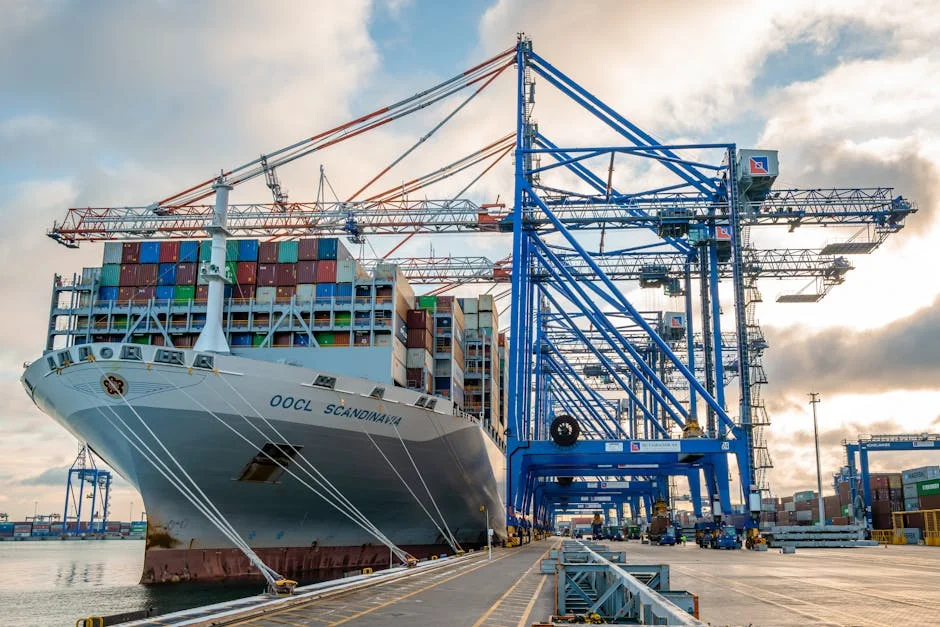
South Africa’s economic slowdown affects trade partners across Africa. Nigeria and other major economies rely on South African ports and financial markets. Delays in Pretoria lead to bottlenecks in regional logistics. This creates inflationary pressure in neighboring countries.
The rand’s volatility adds uncertainty to foreign investment decisions. Businesses hesitate to expand into the region when political outcomes are unclear. This uncertainty dampens growth prospects for the entire continent. Africa needs stable economies to attract capital and technology.
Impact on Regional Trade
Trade flows between South Africa and its neighbors are critical for the African Continental Free Trade Area (AfCFTA). Disruptions in South African logistics networks delay goods moving to landlocked nations. This reduces the efficiency of regional supply chains. The cost of doing business increases for companies operating across borders.
Nigeria, as a key trading partner, feels these effects through higher import costs. Consumers in Lagos may see price hikes on goods passing through Durban. This interconnectedness highlights the need for robust regional infrastructure. Stronger trade links can help buffer against political shocks.
Infrastructure Challenges Worsen
Political distraction often leads to neglected infrastructure projects. Power shortages in South Africa continue to disrupt industrial output. The energy crisis affects manufacturing and mining sectors. These sectors are vital for generating foreign exchange.
Without reliable power, factories operate at reduced capacity. This lowers productivity and increases the cost of production. Infrastructure decay undermines long-term economic competitiveness. African nations must prioritize infrastructure to sustain growth.
Investment in renewable energy offers a potential solution. However, political instability delays decision-making and project approvals. Time is running out for South Africa to modernize its infrastructure. The continent cannot afford to wait for Pretoria to stabilize.
Governance and Institutional Trust
Trust in government institutions is eroding in South Africa. Citizens question the ability of leaders to deliver on promises. Corruption scandals further weaken public confidence. Strong governance is essential for attracting investment and ensuring accountability.
African Union leaders emphasize the need for good governance across the continent. The South African example serves as a cautionary tale for other democracies. Institutional strength determines the resilience of an economy. Weak institutions lead to policy inconsistency and market uncertainty.
Reforming public finances and improving service delivery are urgent priorities. The government must demonstrate transparency and efficiency. Restoring trust takes time and consistent action. Without it, social unrest may increase, further destabilizing the economy.
Social Unrest and Public Sentiment
Social cohesion faces tests as economic hardships mount. Unrest in townships and urban centers reflects growing frustration. The cost of living crisis affects millions of households. Food and fuel prices continue to rise, squeezing family budgets.
Youth unemployment remains a critical challenge. Young people feel excluded from the economic benefits of growth. This demographic dividend can turn into a liability without jobs. Education and skills development programs need expansion.
Community leaders call for more inclusive economic policies. The government must address inequality to prevent deeper social divides. Social stability is a prerequisite for sustained development. Ignoring public sentiment risks further political fragmentation.
Opportunities for Regional Cooperation
Despite the challenges, the crisis offers opportunities for stronger regional ties. African nations can collaborate to mitigate the impact of South Africa’s instability. Strengthening the AfCFTA can diversify trade dependencies. This reduces reliance on any single economy.
Investments in cross-border infrastructure can enhance connectivity. Rail and road links between South Africa and neighbors need upgrading. Better logistics will improve trade efficiency and reduce costs. Regional cooperation can create a more resilient economic bloc.
Financial integration can also help stabilize markets. Shared reserve funds and coordinated monetary policies can buffer against shocks. African central banks must work together to manage currency volatility. Stronger financial systems will attract more foreign investment.
What to Watch Next
Observers should monitor upcoming parliamentary votes in Pretoria. These decisions will determine the speed of economic reforms. The appointment of key ministers will signal policy priorities. Markets will react to signs of political clarity or further deadlock.
The African Union’s next summit may address governance issues. Leaders will discuss strategies to support stable democracies. Regional bodies like the Southern African Development Community (SADC) may intervene. Their actions will influence the trajectory of South Africa’s recovery.
Investors will watch for announcements on infrastructure projects. Any progress on power and logistics will boost confidence. The rand’s performance will reflect market sentiment. Keeping an eye on these indicators will help predict future trends.
See Also
- South Africa Embraces AI Revolution — 1 Million Jobs at Stake by 2030
- Ethiopian Government Warns of Renewed Conflict in Tigray: Will Peace Efforts Fail?
African nations can collaborate to mitigate the impact of South Africa’s instability. Infrastructure Challenges Worsen Political distraction often leads to neglected infrastructure projects.