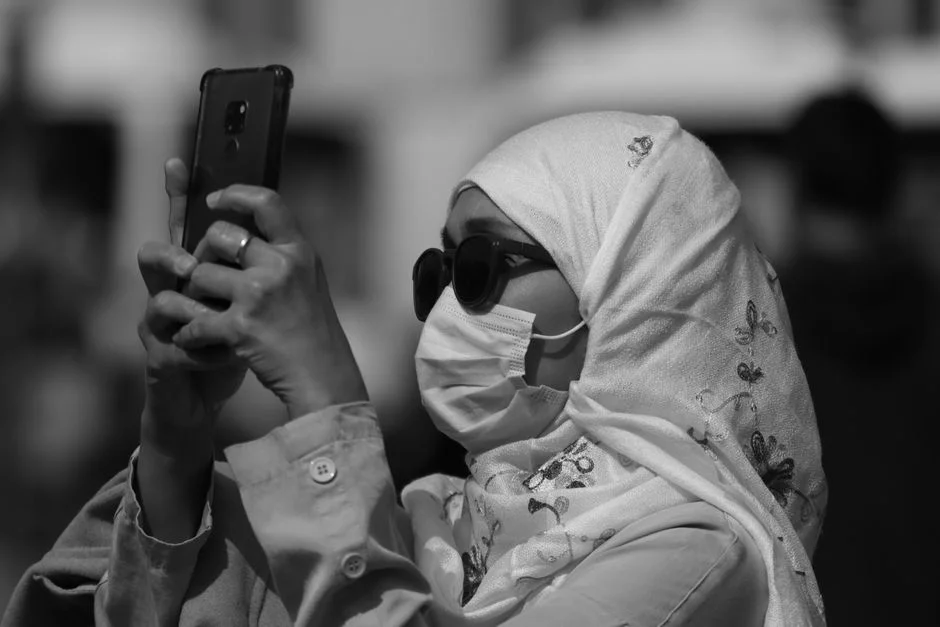
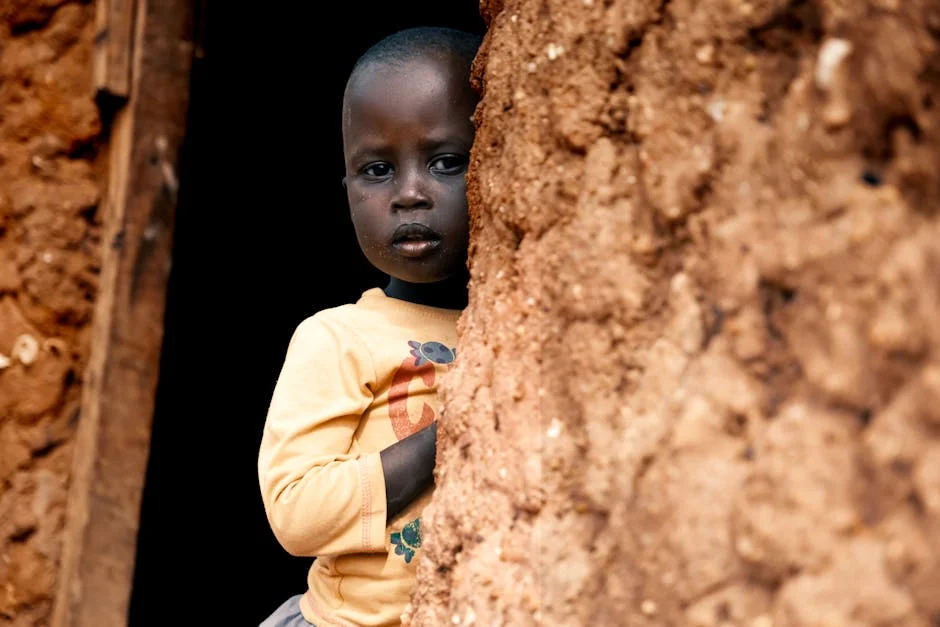
On Wednesday, the Muslim community in Bunia, Democratic Republic of the Congo, marked Eid al-Adha amid ongoing Ebola outbreak concerns. The celebration witnessed a mix of joy and apprehension as the community gathered for prayers and feasting, reflecting on the challenges posed by the virus.
Bunia's Mixed Emotions During Eid
Despite the sombre backdrop of an Ebola epidemic, which has caused **16 confirmed cases** in the Ituri province since August, locals took part in the annual festivities. Residents of Bunia, a city with a population of approximately **400,000**, demonstrated resilience, gathering in mosques to honour the sacrificial tradition of Eid al-Adha.
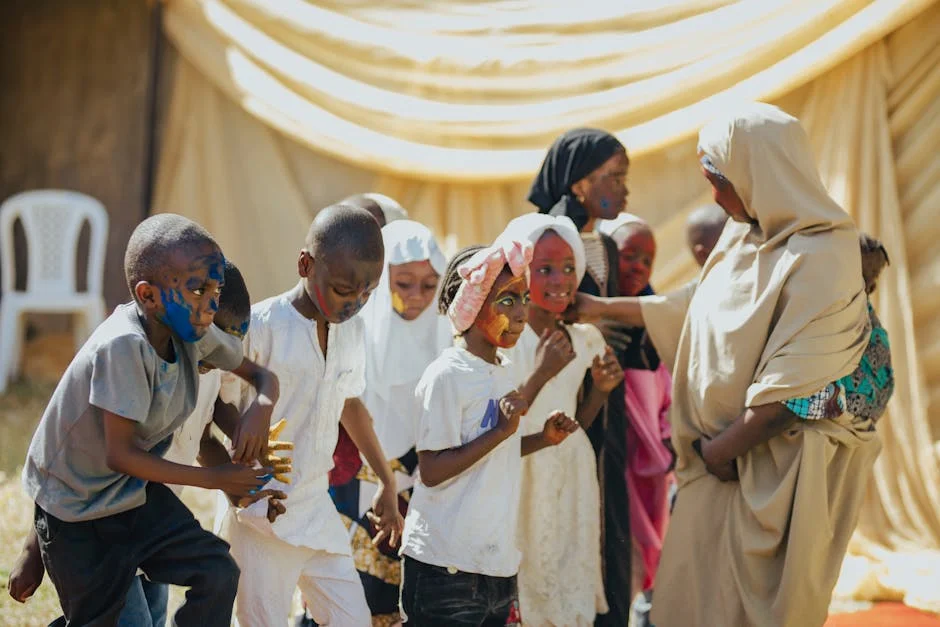
Sheikh Idriss Mohammed, a prominent local religious leader, addressed attendees, urging them to remain vigilant against the spread of the virus. "We are here to celebrate life and faith, but we must also protect our health and that of our loved ones," he stated during the prayer service.
Ebola's Impact on DRC's Development Goals
The ongoing Ebola outbreak presents significant challenges to the Democratic Republic of the Congo's broader development goals, which are keenly focused on enhancing public health and economic stability. The World Health Organization has reported that previous outbreaks have hindered healthcare advancements and stunted economic growth, affecting the most vulnerable communities.
This year's Eid celebration in Bunia occurred against a backdrop of economic uncertainty. Many families are still recovering from the last Ebola outbreak in 2020, which was further exacerbated by the COVID-19 pandemic. The complex interplay of health crises threatens progress made in education, infrastructure, and governance within the region.
Continued Vigilance and Community Health Initiatives
Health authorities in DRC have implemented various initiatives to combat the spread of Ebola, including vaccination campaigns targeting at-risk communities. As part of these efforts, Bunia has become an epicentre for health education, with local NGOs working tirelessly to disseminate information about hygiene practices and vaccination benefits.
On Wednesday, health officials noted an increase in community engagement during the Eid celebrations, thanks to targeted outreach efforts. "People are more aware this year about how to protect themselves and others," remarked Dr. Sophie Mwanga, a public health official. This heightened awareness is crucial in a region where healthcare access has been historically limited.
Balancing Religious Observance and Health Protocols
During the Eid prayers, worshippers were encouraged to observe health protocols, including social distancing and the wearing of masks. The Bunia Mosque provided hand sanitiser stations to help curb potential transmission risks. Organisers reported that many attendees adhered to these guidelines, reflecting a community-driven commitment to personal and public health.
While celebrating Eid is a profound spiritual experience, adherence to health measures during such gatherings is vital. The Muslim community's ability to adjust traditions in light of health challenges underscores their resilience and commitment to collective well-being.
Looking Ahead: Future Challenges and Opportunities
The juxtaposition of religious celebrations against health crises in DRC presents a unique backdrop for examining community resilience. As the country navigates its current Ebola outbreak, local leaders are urging continued vigilance and support for health initiatives. The importance of strengthening local infrastructure and health systems remains paramount for future development.
As the DRC confronts these challenges, the need for ongoing investment in public health and community education will be critical. Attendees of this year's Eid celebrations left with a renewed sense of purpose and determination to safeguard their communities, paving the way for potential advancements in local development goals.
Looking ahead, the DRC will need to focus on sustainable solutions and partnerships that address both health and economic recovery. The next phase of recovery will depend on collaborative efforts between the government, local organisations, and international partners to improve resilience against future outbreaks.
See Also
- South Africa's Teen Suicide Rate Soars — and the Crisis Is Getting Worse
- Legendary Fado Guitarist Carlos Macedo Passes Away - What His Legacy Means for Cultural Exchange
The importance of strengthening local infrastructure and health systems remains paramount for future development.As the DRC confronts these challenges, the need for ongoing investment in public health and community education will be critical. Organisers reported that many attendees adhered to these guidelines, reflecting a community-driven commitment to personal and public health.While celebrating Eid is a profound spiritual experience, adherence to health measures during such gatherings is vital.