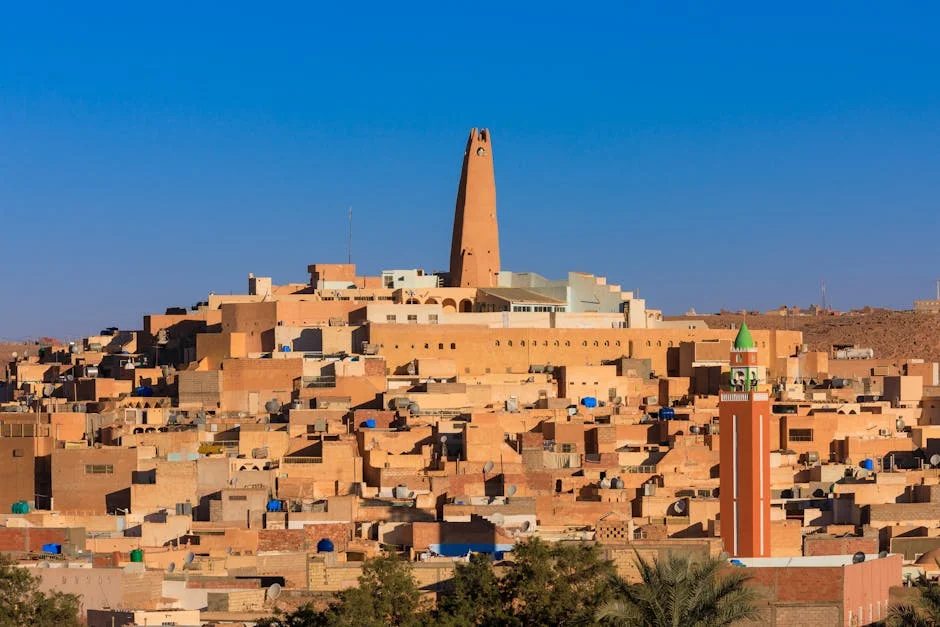
Health workers in eastern DR Congo are racing against time as the Ebola virus spreads through densely populated regions, triggering a wave of fear and economic disruption. The outbreak has forced local markets in Goma to close and halted key trade routes, sending shockwaves through the Great Lakes region. This crisis exposes the fragility of African health systems and the urgent need for coordinated continental response mechanisms.
The Spread of Fear in Eastern DR Congo
The situation in North Kivu province has deteriorated rapidly over the past two weeks. Local health officials confirmed over 150 new cases in the last seven days alone, a surge that has overwhelmed existing isolation centers. Residents describe a palpable tension in the streets, with many avoiding public transport and traditional burial sites.
This fear is not unfounded. The case fatality rate for the current strain remains high, hovering around 50 percent in areas with delayed treatment. People in Masisi and Rutshuru are watching their neighbors fall ill, and the lack of clear communication from some local authorities has only deepened the anxiety. Health workers themselves are burning out, working long hours with limited protective gear.
The social fabric of these communities is under strain. Schools have temporarily shut down to limit contact, and religious gatherings, which are central to social life, have been restricted. This disruption affects daily routines and economic activity, forcing families to make difficult choices between safety and survival.
Healthcare System Under Pressure
The local health infrastructure is struggling to cope with the influx of patients. Isolation centers in Goma are operating at near-capacity, and medical supplies are running low. The World Health Organization has deployed additional teams, but the sheer volume of cases is testing their resources.
Doctors are facing a critical shortage of personal protective equipment and basic medicines. This lack of supplies increases the risk of hospital-acquired infections, which can spread the virus faster than community transmission. Local health ministers have appealed for international aid to bridge the gap between current needs and available resources.
The situation highlights a recurring challenge for African health systems: the ability to scale up quickly during an emergency. Many facilities are designed for steady-state conditions and struggle when patient numbers double or triple within weeks.
Economic Disruption in the Great Lakes Region
The Ebola outbreak is not just a health crisis; it is an economic shock for DR Congo and its neighbors. Key trade routes that connect the DRC to Rwanda, Uganda, and Tanzania have seen reduced traffic. This slowdown affects the flow of goods, including food, fuel, and construction materials.
Markets in Goma, a major economic hub, have reported a 30 percent drop in daily sales. Vendors are selling less, and consumers are buying only essentials, holding back spending due to uncertainty. This contraction in economic activity affects everyone from large traders to small street vendors.
The disruption extends beyond the immediate border areas. Supply chains that rely on the DRC’s mineral wealth and agricultural products are feeling the pressure. Delays in transport mean higher costs for businesses and potential shortages in neighboring countries. This economic ripple effect underscores the interconnectedness of the Great Lakes region.
Implications for Nigeria and West Africa
While Nigeria is geographically distant from the DRC, the Ebola outbreak serves as a wake-up call for the entire continent. African development goals emphasize health security as a foundation for economic growth. If one major economy is hit, the rest of the continent feels the impact.
Nigeria’s health system must learn from the challenges in the DRC. The country has experienced its own Ebola waves, but the memory can fade if preparedness is not maintained. This outbreak tests the resilience of African Union health initiatives and the ability of nations to coordinate responses.
Trade links between Nigeria and the DRC, though indirect, are significant. Nigerian companies operate in the DRC, and Nigerian consumers import goods that pass through Central African logistics hubs. Any disruption in the DRC can lead to inflationary pressures in Lagos and other major Nigerian cities.
The fear in the DRC also affects investor confidence. Foreign direct investment in Africa is sensitive to stability. A prolonged health crisis in a resource-rich country like the DRC can lead to capital flight and slower growth across the continent. This has direct implications for Nigeria’s own economic recovery plans.
Continental Challenges in Health Governance
The Ebola outbreak in the DRC reveals deep-seated challenges in African health governance. Coordination between national governments, regional bodies, and international partners is often slow and fragmented. This delay costs lives and increases the economic toll.
The African Union has called for a more unified response, but implementation remains uneven. Some countries have strong surveillance systems, while others rely heavily on international aid. This disparity makes it difficult to contain cross-border diseases effectively.
Health workers are the frontline defense, yet they often face poor working conditions and inadequate pay. This affects morale and retention, leading to a brain drain in critical health sectors. Improving the status of health workers is essential for building resilient health systems across Africa.
Investment in public health infrastructure is often seen as a cost rather than an investment. This short-term thinking leaves countries vulnerable to shocks. The DRC’s experience shows that without robust health systems, economic gains can be quickly eroded by a single outbreak.
Opportunities for African Development
Crisis often brings opportunity. The Ebola outbreak in the DRC is pushing African leaders to accelerate reforms in health governance. There is a growing consensus that health security is a continental priority, not just a national one.
Technological innovation is playing a larger role in disease control. Digital health records, mobile data collection, and telemedicine are being used to improve surveillance and patient management. These tools can help African countries build more efficient and responsive health systems.
Regional cooperation is also strengthening. Neighboring countries are sharing resources and information to contain the spread of Ebola. This collaboration can serve as a model for other areas of African integration, including trade and infrastructure development.
The outbreak is also highlighting the importance of local manufacturing. Producing medical supplies and vaccines within the continent can reduce dependence on imports and lower costs. This aligns with broader African industrialization goals and can create jobs in key sectors.
What to Watch Next in the Ebola Response
The next few weeks will be critical in determining the trajectory of the Ebola outbreak in the DRC. Health officials are monitoring the case numbers in Goma and the effectiveness of vaccination campaigns. A surge in cases could lead to a declaration of a public health emergency of international concern.
Investors and policymakers should watch for updates on trade route reopenings and economic indicators in the Great Lakes region. Any signs of prolonged disruption could affect inflation and growth forecasts for Africa.
Nigeria and other African nations should review their own health preparedness plans. The DRC’s experience offers valuable lessons in surveillance, community engagement, and resource allocation. Strengthening these areas will help the continent face future health challenges with greater confidence.
See Also
- Atiku Abubakar Forces Nigeria to Reckon with Leadership Challenges Ahead of 2027
- Trump Confirms IS Deputy Killed in Nigeria — Security Implications
What is the latest news about dr congo halts trade as ebola surges what nigeria must watch?
Why does this matter for politics-governance?
What are the key facts about dr congo halts trade as ebola surges what nigeria must watch?