The Covid-19 pandemic has left an enduring impact on South Africa, with current hunger levels now 20% higher than pre-pandemic figures. According to a recent report from Statistics South Africa, approximately 11 million people faced hunger in 2023, compared to 9 million in 2019. This alarming trend underscores the ongoing challenges the nation faces in achieving its development goals amid the lingering effects of the pandemic.
Impact of Covid on Food Security
The pandemic has severely disrupted food supply chains and increased household vulnerability across South Africa. Many families, particularly in urban areas like Johannesburg and Cape Town, have struggled to afford basic necessities due to rising prices and economic instability.
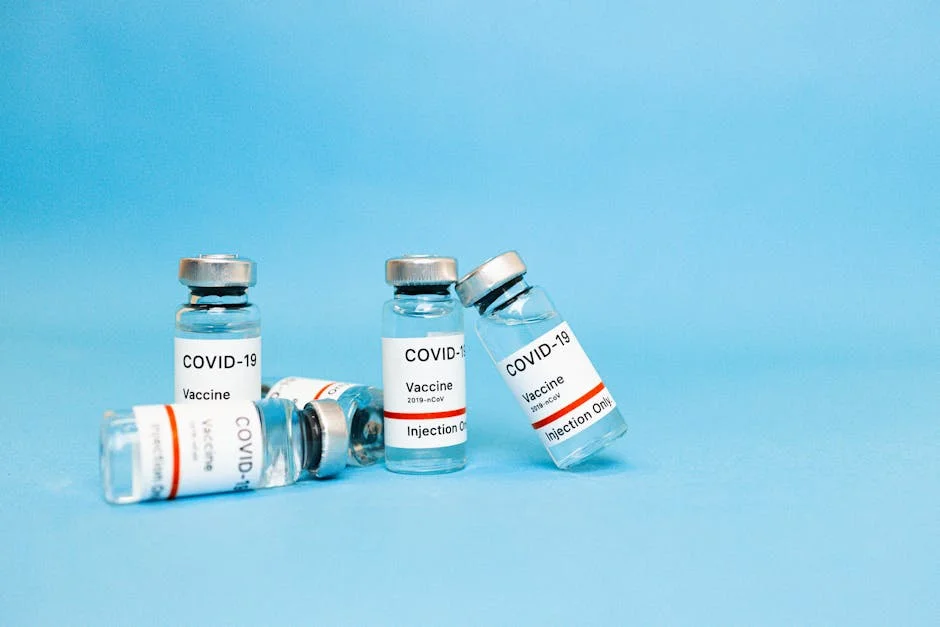
Many South Africans lost their jobs during lockdown, leading to increased reliance on social grants. The South African Social Security Agency reported that the number of beneficiaries rose from 7.6 million in 2019 to over 18 million by mid-2023. This drastic increase indicates the urgent need for policy adjustments and improved economic strategies to address food security.
Government Response and International Support
The South African government has initiated several programmes aimed at combating food insecurity. The Department of Social Development has launched food relief initiatives and partnered with various non-governmental organisations to distribute food parcels across affected communities.
Despite these efforts, challenges remain. Many families still lack access to nutritional food, as highlighted by findings from the United Nations’ World Food Programme. The organisation states that 38% of South African children under five suffer from stunting due to poor nutrition.
Long-term Economic Implications
South Africa’s economic recovery is intrinsically linked to how it addresses food security. The country must prioritise agricultural development and invest in infrastructure to support local farmers. The agricultural sector is vital for job creation and economic growth, contributing significantly to the country's GDP.
Experts argue that without substantial investment in sustainable agriculture and infrastructure development, South Africa risks trading short-term relief for long-term challenges. The government must seek innovative solutions to enhance food production while building resilience against future shocks.
Continental Challenges and Opportunities
This situation is not unique to South Africa; it reflects broader trends across the African continent. Many countries face similar challenges as they grapple with the aftereffects of the pandemic on food security and economic stability.
Regional cooperation could provide viable pathways to mitigating these challenges. Initiatives such as the African Continental Free Trade Area (AfCFTA) could facilitate trade among African nations, enhancing food security and economic prospects through shared resources.
The Role of Education and Governance
Improving education around nutrition and sustainable farming practices is critical. Educational institutions should play a proactive role in equipping communities with knowledge on food production and health, steering them toward long-term solutions.
Good governance is essential in implementing effective policies that address food security. The government needs to engage with local communities to create policies that are inclusive and address the unique needs of different regions within the country.
What Lies Ahead?
As South Africa prepares for its upcoming budget review in early 2024, stakeholders are calling for comprehensive strategies that prioritise food security and support agricultural development. The government's commitment to addressing these issues will determine the nation’s recovery trajectory.
Watch for new policies and initiatives emerging from this budget review that aim to bolster food security, as these decisions could shape the future health and economic stability of millions of South Africans.
See Also
- Nigeria Declares Meningitis Outbreak Over as Cases Drop 70%
- Kamal Singh Detained as Court Orders Medical Exam in Farooq Abdullah Case
What is the latest news about covid surge leaves south africas hunger levels 20 above prepandemic marks?
Why does this matter for health-medicine?
What are the key facts about covid surge leaves south africas hunger levels 20 above prepandemic marks?