The Nigeria Security and Civil Defence Corps has mobilized 1,542 operatives across Edo State to secure the upcoming Eid-el-Kabir celebrations. This massive deployment targets key commercial hubs and religious sites to ensure stability during one of the largest annual gatherings in the region. The move underscores the growing role of civil defence units in maintaining public order beyond traditional military and police forces.
Benin City and surrounding municipalities are bracing for a surge in traffic and pedestrian movement as thousands of worshippers converge on mosques and family compounds. Authorities have identified specific choke points and high-risk zones to prevent the security lapses that often disrupt economic activity during festive periods. This strategic focus highlights the intersection of cultural tradition and infrastructural readiness in Nigeria’s south-south region.
Strategic Deployment Across Key Municipalities
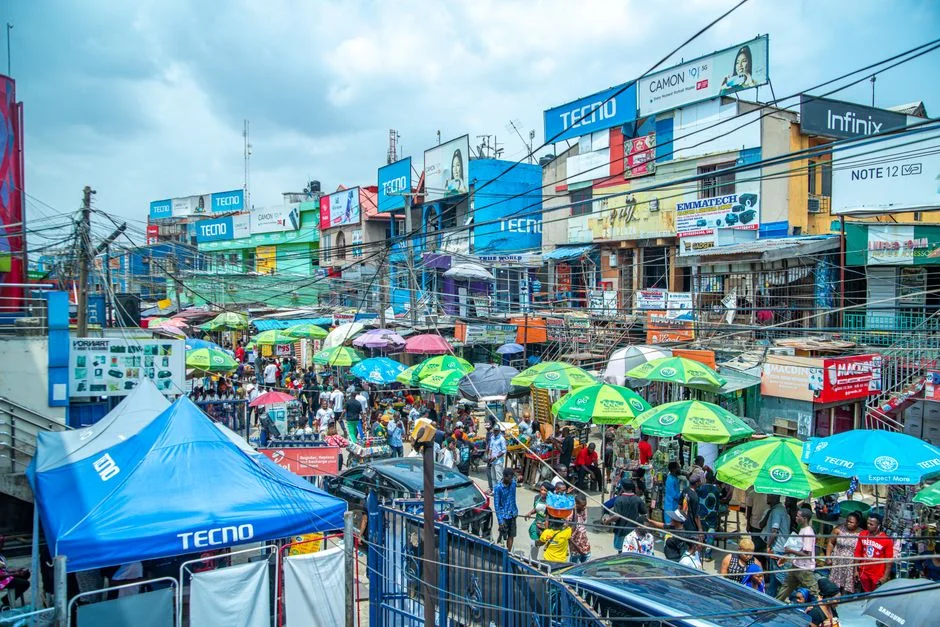
The deployment is not random but follows a data-driven approach to crowd management and rapid response. Operatives have been stationed in high-density areas such as Ugbowo, Iyapo, and the Benin City metropolitan center. These locations are critical because they serve as both commercial arteries and residential hubs for a significant portion of the state’s Muslim population. The presence of uniformed personnel aims to deter opportunistic crimes that typically spike during festive chaos.
Local government areas outside the capital have also received specific allocations of personnel. Sapele, Agbor, and Egor Local Government Areas are seeing increased patrols to cover the diverse geographical spread of the celebrations. This decentralized approach ensures that security is not just a capital-centric phenomenon but extends to the grassroots levels where community cohesion is vital. The corps has coordinated closely with local emirs and traditional rulers to map out prayer schedules and procession routes.
Coordination with Traditional Institutions
The collaboration between the NSCDC and traditional authorities is a key component of this security strategy. Traditional rulers provide localized intelligence that uniformed officers might miss due to their deep roots in community dynamics. This partnership reduces friction between the security apparatus and the populace, fostering a sense of shared responsibility for public safety. It also ensures that religious leaders are aware of security measures, allowing them to communicate effectively with their congregations.
This model of security cooperation offers a replicable framework for other Nigerian states facing similar demographic pressures. By integrating traditional power structures into modern security planning, the state can achieve more nuanced and effective crowd control. It moves away from the heavy-handed military tactics of the past toward a more community-integrated approach that respects local customs while enforcing order. Such strategies are essential for sustainable social stability in diverse societies.
The Evolving Role of Civil Defence in Nigeria
The Nigeria Security and Civil Defence Corps was established to bridge the gap between the regular police force and the local community. Unlike the Royal Nigerians Police Force, which is often stretched thin by criminal cases, the NSCDC focuses on civil order, traffic management, and rapid response. This deployment in Edo State demonstrates the corps’ capacity to handle large-scale logistical challenges during peak social events. It highlights a shift in how Nigerian states are thinking about public security infrastructure.
Civil defence units are increasingly viewed as essential for economic continuity. When security is visible and effective, businesses remain open, and consumers feel confident spending money. This is particularly important in Edo State, where the commercial vitality of Benin City drives a significant portion of the regional economy. The 1,542 operatives are not just guarding worshippers; they are protecting the economic pulse of the state during a critical revenue-generating period. This economic angle is often overlooked in traditional security analyses.
The expansion of the NSCDC’s mandate reflects a broader trend in African governance where specialized agencies take on roles previously held by generalist forces. This specialization allows for more efficient resource allocation and better-trained personnel for specific tasks. For Edo State, leveraging the NSCDC for Eid security is a cost-effective strategy compared to deploying the Nigeria Army or the Nigeria Air Force. It allows the military to focus on external threats and insurgency while civil defence handles internal order.
Infrastructure Challenges During Festive Periods
Security is only one part of the equation; infrastructure plays a crucial role in the smooth execution of Eid celebrations. Edo State has faced ongoing challenges with road networks and public transport systems, which become acute during major festivals. The NSCDC’s deployment includes traffic marshals to manage the influx of vehicles on key roads such as the Benin-Okada Expressway and the Airport Road. Without effective traffic management, congestion can lead to fuel shortages and supply chain disruptions.
The state government has also invested in temporary infrastructure to accommodate the crowds. Portable toilets, water points, and temporary parking lots have been set up near major mosques and commercial centers. These investments, while seemingly minor, have a significant impact on public satisfaction and hygiene. They reflect a growing awareness that security is holistic, encompassing not just safety from crime but also comfort and convenience for the citizenry. This holistic approach is vital for improving the quality of life in urban centers.
However, infrastructure deficits remain a challenge in some rural areas of the state. Poor road conditions in local government areas like Ovia North-East and Ovia South-West can delay emergency response times. The NSCDC has accounted for this by deploying more motorcycles and light vehicles to these areas. This adaptability is crucial for ensuring that security coverage is not compromised by geographical hurdles. It underscores the need for continued investment in rural infrastructure to support effective governance.
Economic Impact of Security Stability
A secure environment directly translates to economic activity. During Eid-el-Kabir, the consumption of food, clothing, and household items surges, providing a boost to local vendors and retailers. The deployment of 1,542 operatives aims to minimize disruptions that could lead to price hikes or stockouts. For instance, security in the Benin City Main Market and other major trading hubs ensures that goods can flow freely from the hinterlands to the urban centers. This stability is critical for maintaining consumer confidence and driving economic growth.
Small and medium-sized enterprises (SMEs) are the backbone of Edo State’s economy, and they are highly sensitive to security conditions. A visible security presence encourages entrepreneurs to extend their operating hours and invest in inventory. This, in turn, creates jobs and increases household incomes. The NSCDC’s role in securing these economic nodes is therefore an indirect but powerful driver of local economic development. It demonstrates how security spending can yield tangible economic returns.
The correlation between security and economic performance is well-documented in development economics. Countries and regions with stable security environments attract more investment and experience higher levels of trade. Edo State’s proactive approach to Eid security is a microcosm of this broader principle. By ensuring that citizens feel safe, the state creates an enabling environment for business and commerce. This is a key lesson for other African nations looking to leverage cultural events for economic gain.
Public Health and Hygiene Considerations
Beyond crime and traffic, public health is a critical component of the security strategy. Large gatherings pose a risk for the spread of infectious diseases, particularly in areas with limited healthcare infrastructure. The NSCDC has coordinated with the Edo State Ministry of Health to ensure that health workers are on standby at key locations. This includes setting up isolation tents and ensuring an adequate supply of sanitizers and masks. These measures are vital for preventing outbreaks that could disrupt the celebrations and strain the healthcare system.
Water sanitation is another focus area, especially in areas where temporary facilities are used. The deployment includes teams to monitor the quality of water provided to worshippers and vendors. Contaminated water can lead to waterborne diseases, which can quickly escalate into a public health crisis if not managed promptly. The NSCDC’s involvement in health logistics highlights the multidisciplinary nature of modern security operations. It shows that security is not just about guns and boots but also about health and hygiene.
This integrated approach to public health and security is a model for other African cities facing similar challenges. As urbanization accelerates, the need for coordinated responses to public health threats during mass gatherings will only grow. Edo State’s experience can provide valuable insights for other regions looking to improve their public health infrastructure. It emphasizes the importance of inter-agency collaboration in achieving comprehensive public safety.
Looking Ahead: Next Steps for Edo Security
The deployment of 1,542 NSCDC operatives is a short-term measure, but it sets a precedent for future security planning in Edo State. The state government is likely to evaluate the effectiveness of this deployment to inform strategies for other major festivals and events. This includes the New Yam Festival and other cultural gatherings that draw large crowds. The data collected during this period will be crucial for refining security protocols and resource allocation. It represents a step toward evidence-based governance in public security.
Residents are advised to remain vigilant and cooperate with security personnel to maximize the effectiveness of the deployment. The NSCDC has set up a command center in Benin City to coordinate operations and handle real-time intelligence. This center will remain active throughout the celebration period and for a few days afterward to ensure a smooth return to normalcy. The success of this operation will depend on the synergy between the security forces and the local community. It is a test of the state’s capacity to manage large-scale social dynamics efficiently.
See Also
- Five Police Injured in Blast at Challapalli Station — Safety Concerns Rise
- Nada Itrab's Miraculous Survival Sparks Debate on Health Care in Spain: What It Means for Africa
Poor road conditions in local government areas like Ovia North-East and Ovia South-West can delay emergency response times. Economic Impact of Security Stability A secure environment directly translates to economic activity.
What is the latest news about nscdc deploys 1542 operatives in edo for eid?
Why does this matter for economy-business?
What are the key facts about nscdc deploys 1542 operatives in edo for eid?