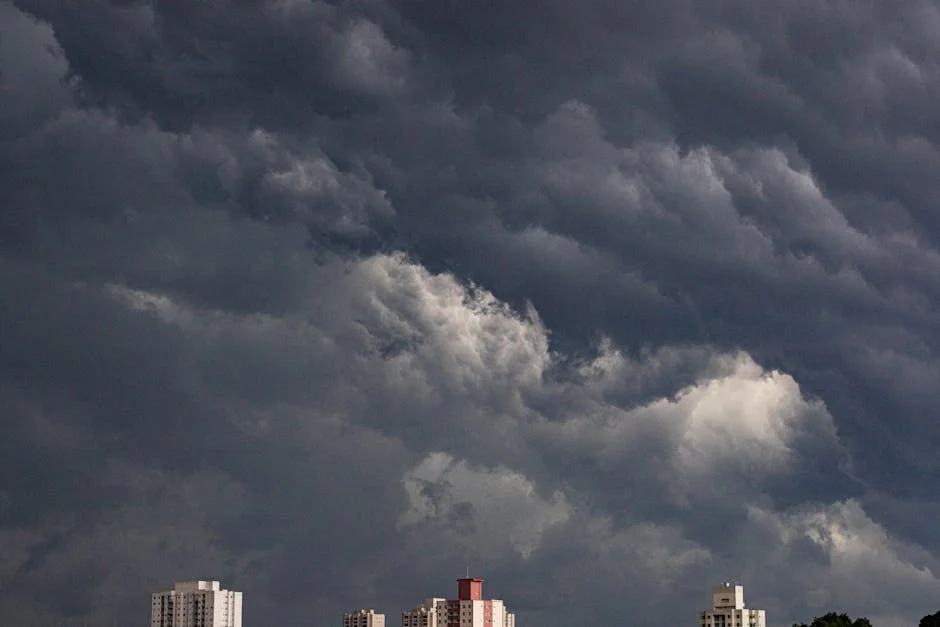
The National Emergency Management Agency has issued a critical flood warning for twelve local government areas in Kebbi State as the River Niger continues to rise. This alert signals an immediate threat to infrastructure and livelihoods across the northern region. Authorities are urging residents to prepare for potential displacement and economic disruption.
Flooding in Nigeria is no longer an annual anomaly but a structural challenge to development. The surge in the River Niger highlights the vulnerability of African infrastructure to climate variability. As water levels climb, the pressure on governance and emergency response systems intensifies.
Scope Of The Flood Warning
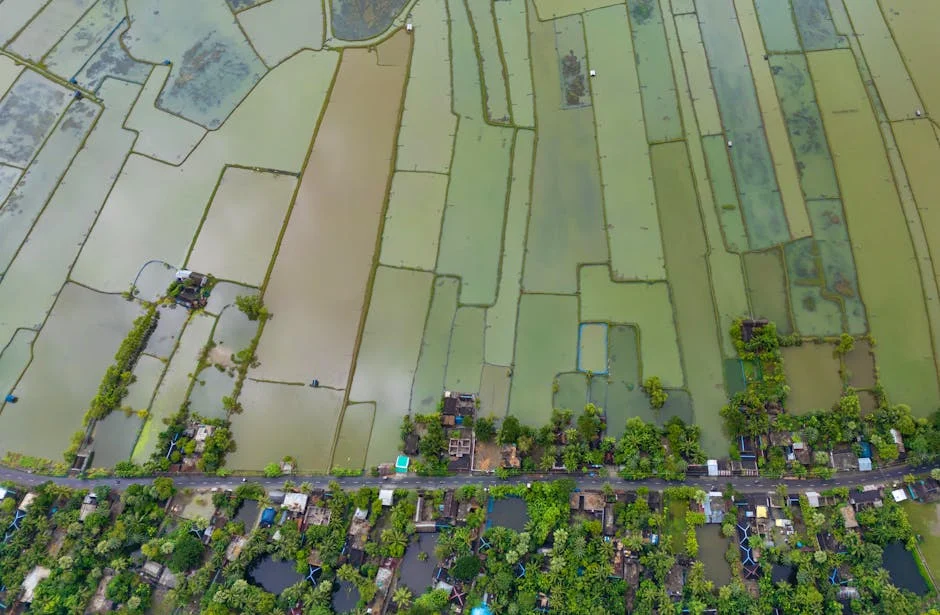
NEMA has identified twelve specific local government areas that face the highest risk of inundation. These areas are strategically located along the banks of the River Niger and its tributaries. The warning is based on real-time hydrological data collected from monitoring stations across the basin.
The agency’s assessment indicates that water levels have exceeded the normal threshold for this time of the year. This rapid rise is attributed to heavy rainfall in upstream regions and slower drainage in the middle belt. The situation demands urgent attention from state and federal authorities.
Residents in these twelve LGAs are advised to move livestock to higher ground. Essential supplies such as food, medicine, and clean water should be stockpiled. Early action can reduce the mortality rate and minimize property damage.
River Niger Hydrological Trends
The River Niger is the lifeblood of the region, supporting agriculture, fishing, and transportation. However, its predictability is diminishing due to climate change and upstream dam management. This unpredictability complicates long-term planning for farmers and businesses.
Recent data shows that the peak flood season is arriving earlier than historical averages. This shift disrupts the traditional planting and harvesting cycles of rice and maize farmers. The economic impact is felt immediately as crop yields are threatened by waterlogging.
Upstream developments in Guinea and Mali also influence the flow rate in Kebbi. The construction of the Kandadji Dam in Niger has altered the seasonal discharge pattern. These transboundary water dynamics require coordinated continental management strategies.
Infrastructure Vulnerability
Road networks in the flood-prone areas are particularly susceptible to damage. The main highway connecting Birnin Kebbi to Argungu often becomes impassable during peak flooding. This isolation hampers the movement of goods and emergency services.
Health centers and schools in low-lying communities face repeated closures. The disruption to education and healthcare services has long-term developmental consequences. Children miss critical weeks of schooling, and patients struggle to access consistent medical care.
Investment in resilient infrastructure is essential to mitigate these recurring losses. Concrete bridges and elevated roadways can withstand higher water levels. Such projects require significant capital and careful engineering to be effective.
Economic Impact On Local Communities
Agriculture is the primary economic driver in Kebbi State. The flood warning threatens the livelihoods of thousands of smallholder farmers. Loss of crops translates directly to reduced household income and increased food prices.
The fishing industry along the River Niger is also at risk. High water levels can disperse fish stocks, making them harder to catch. Conversely, excessive sedimentation can degrade the quality of the fish habitat. Both scenarios lead to lower catches and reduced revenue.
Small businesses in the affected LGAs face supply chain disruptions. The cost of transporting goods increases as roads deteriorate. This inflationary pressure affects the purchasing power of ordinary citizens.
- Crop damage leads to immediate food insecurity for farming families.
- Fishing yields decline due to changes in water depth and sedimentation.
- Transport costs rise as road networks become partially submerged.
The cumulative economic effect can push vulnerable households back into poverty. This undermines progress made in poverty reduction efforts over the past decade. Targeted financial aid and insurance schemes can help buffer these shocks.
Emergency Response And Governance
NEMA plays a central role in coordinating the federal response to the flooding. The agency works with the Kebbi State Emergency Management Agency to deploy resources. This collaboration is crucial for effective on-the-ground management.
Evacuation centers have been identified in schools and community halls. These facilities need to be stocked with essential supplies before the waters rise. Efficient logistics ensure that displaced persons have immediate access to shelter and food.
Governance challenges emerge when communication between federal and state levels is slow. Delays in decision-making can exacerbate the crisis. Clear protocols and defined responsibilities improve the speed and quality of the response.
The effectiveness of the current warning system depends on community engagement. Local leaders play a key role in disseminating information to remote villages. Radio broadcasts and town criers remain vital tools in areas with limited smartphone penetration.
Climate Change And Continental Challenges
The flooding in Kebbi is a microcosm of broader climate challenges facing Africa. Rising temperatures and erratic rainfall patterns are altering hydrological cycles across the continent. These changes threaten food security and economic stability in many regions.
African development goals include building climate resilience in key sectors. This requires integrating climate data into urban planning and agricultural policies. Without such integration, investments in infrastructure may be quickly eroded by natural disasters.
The African Union has emphasized the need for a unified approach to climate adaptation. Sharing data and best practices across borders can enhance regional resilience. The River Niger basin offers a model for transboundary water management.
Investment in early warning systems is a high-impact intervention. Technologies such as satellite imagery and automated gauges provide real-time data. This information allows authorities to act proactively rather than reactively.
Opportunities For Infrastructure Development
Every crisis presents an opportunity for strategic investment. The current flood warning highlights the need for modernizing drainage systems. Upgrading canals and dredging riverbeds can improve water flow and reduce stagnation.
Public-private partnerships can accelerate infrastructure projects. Private sector efficiency and capital can complement public sector planning and regulation. Such collaborations can deliver resilient infrastructure faster than traditional funding models.
Green infrastructure solutions, such as wetland restoration, offer dual benefits. They provide natural flood control while enhancing biodiversity. These nature-based solutions are often more cost-effective than concrete structures.
Education on climate resilience is also a critical investment. Training farmers in adaptive techniques can improve crop yields under variable conditions. Empowering communities with knowledge reduces their vulnerability to future shocks.
What To Watch Next
The coming weeks will determine the severity of the flooding in Kebbi. Monitor the daily water level reports released by NEMA and the Kebbi State government. These updates will guide evacuation decisions and resource allocation.
Watch for the deployment of federal aid packages. The speed and scope of these interventions will test the efficiency of the emergency management system. Effective aid delivery can significantly reduce the human and economic toll.
Long-term, observe the policy responses from the Kebbi State government. Will they introduce new zoning laws or invest in critical infrastructure? These decisions will shape the region’s resilience to future climate events. The outcome of this crisis will inform development strategies across northern Nigeria.
See Also
- Nigeria Denies Paying Ransom for Abducted Pupils Amid Security Concerns
- Carrega Technology: A Game-Changer for Nigeria's Energy Future
Emergency Response And Governance NEMA plays a central role in coordinating the federal response to the flooding. The agency works with the Kebbi State Emergency Management Agency to deploy resources.
What is the latest news about nema warns kebbi of severe flooding in 12 lgas?
Why does this matter for technology-innovation?
What are the key facts about nema warns kebbi of severe flooding in 12 lgas?