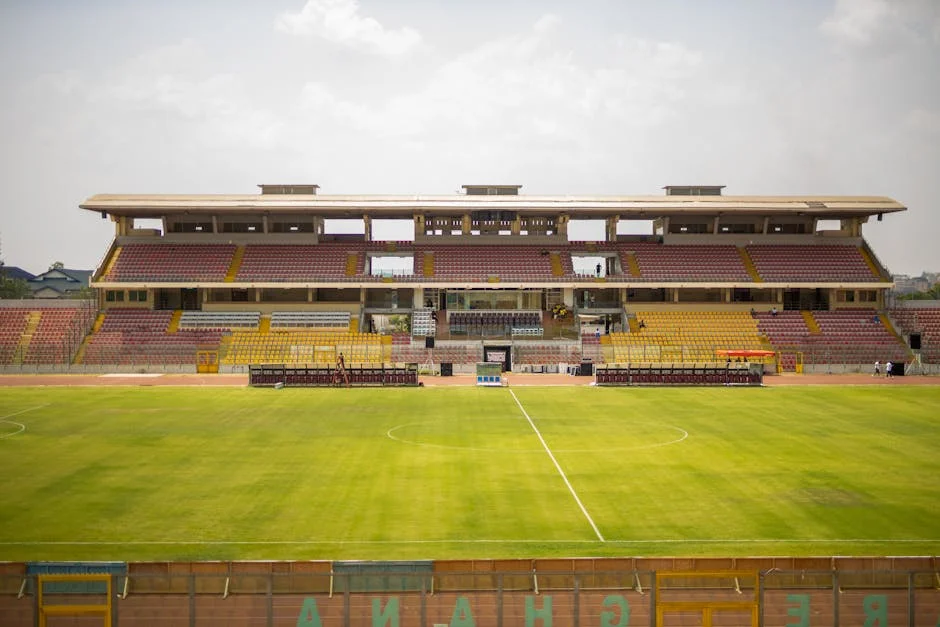
Ghana’s Black Stars face Mexico in a high-stakes friendly match that transcends the ninety minutes of play on the pitch. This encounter in Houston, Texas, serves as a critical benchmark for African football as the continent seeks to bridge the gap with North American powerhouses. For Nigerian observers, the match offers a mirror image of the challenges and opportunities facing the Super Eagles in their quest for continental dominance.
The Strategic Importance of the Houston Clash
The decision to host the match in the United States reflects a broader strategic shift in African football governance. The Confederation of African Football (CAF) has increasingly looked north to tap into the lucrative American market for broadcasting rights and sponsorship deals. This geographic choice is not accidental but a calculated move to increase the visibility of African talent to European and North American scouts.

For Ghana, the match against Mexico provides a rigorous test of their tactical depth ahead of the upcoming Africa Cup of Nations qualifiers. The Mexican squad, known for their technical precision and physical endurance, presents a different challenge compared to traditional African opponents. This diversity in opposition is crucial for the Black Stars to refine their adaptability, a trait that often separates champions from contenders in the African zone.
Nigerian football administrators are closely monitoring this development. The success or failure of Ghana’s model in leveraging international friendlies can directly influence how Nigeria structures its own pre-tournament schedules. The competition for attention in the West African sub-region is intensifying, and every tactical advantage gained by a neighbor is scrutinized by Lagos-based strategists.
Infrastructure Gaps and Player Development
One of the most pressing issues highlighted by this matchup is the disparity in infrastructure between African and North American football systems. Mexico benefits from a robust league structure and advanced training facilities that allow for consistent player development. In contrast, African nations often struggle with basic amenities, from floodlit pitches in Lagos to modernized stadiums in Accra.
Investment in grassroots infrastructure remains a critical development goal for African sports bodies. Without adequate facilities, young talents may bloom late or burn out early, reducing their longevity and market value. The Ghana Football Association has initiated several reforms to address these gaps, but the pace of change needs to accelerate to keep up with global standards.
The Role of Data Analytics
Beyond physical infrastructure, the integration of data analytics is transforming how teams prepare for matches. Mexico employs sophisticated data models to analyze player movement, passing accuracy, and defensive positioning. Ghana is beginning to adopt similar technologies, but the cost of implementation remains a barrier for many African clubs and national teams.
The adoption of data-driven strategies is not just a luxury but a necessity for African teams aiming to compete at the highest level. By understanding the metrics that drive performance, coaches can make more informed decisions about player selection and tactical adjustments. This technological leap is essential for closing the gap between African and North American football.
Economic Implications for African Football
The economic stakes of international friendlies are significant for African football associations. Revenue from ticket sales, merchandise, and broadcasting rights can fund critical development projects, including youth academies and senior team tours. The Ghana-Mexico match is expected to generate substantial income, which could be reinvested into the Black Stars’ infrastructure and player welfare.
For Nigeria, the economic model presented by Ghana offers valuable lessons. The Super Eagles have historically relied on the performance of star players in European leagues to drive revenue. However, a more diversified income stream, including strategic friendly matches and commercial partnerships, can provide greater financial stability for the Nigerian Football Federation.
The potential for sponsorship deals with multinational corporations is also expanding. Brands are increasingly looking to associate themselves with African football due to its growing global appeal. Successful execution of matches like the Ghana-Mexico friendly can attract more investors, creating a virtuous cycle of investment and improvement.
Tactical Lessons for the Super Eagles
The tactical approach of Mexico against Ghana will provide key insights for Nigerian coaches. Mexican teams are known for their high pressing and quick transitions, which can exploit defensive vulnerabilities. Observing how Ghana’s defense handles this pressure will offer valuable data for Nigeria as they prepare for their own continental and international fixtures.
Nigeria’s attacking prowess has often been its greatest asset, but consistency remains a challenge. Learning from Ghana’s experience in balancing attack and defense can help the Super Eagles achieve greater tactical cohesion. The ability to adapt to different styles of play is crucial for success in the dynamic African football landscape.
Coaches in Lagos are already analyzing the match dynamics to refine their own strategies. The exchange of tactical ideas between neighboring countries fosters a competitive environment that drives overall improvement. This cross-pollination of strategies is essential for the continued growth of African football.
Youth Development and Future Stars
The future of African football lies in its youth development systems. Ghana has a strong tradition of nurturing young talents, with several of its stars emerging from local academies and European clubs. Nigeria has similar potential, with a rich pool of young players ready to make their mark on the international stage.
Investing in youth academies is critical for sustaining long-term success. These academies provide structured training, educational support, and exposure to high-level competition. By strengthening these foundations, African nations can ensure a steady stream of talented players to feed into their senior national teams.
The Ghana-Mexico match also highlights the importance of giving young players international exposure. Exposure to different playing styles and competitive environments helps young talents develop the skills and confidence needed to succeed at the highest levels. This approach is being adopted by several African nations, including Nigeria, as part of their broader development strategies.
Continental Unity and Competition
African football thrives on both unity and competition. The rivalry between Ghana and Nigeria, often referred to as the "Battle of the Giants," drives both nations to excel. This friendly match against Mexico adds another layer to this dynamic, as both countries assess their relative strengths and weaknesses on a global stage.
Continental unity is also evident in the collaborative efforts of CAF to promote African football. Initiatives such as the Africa Cup of Nations and the TotalEnergies AFCON have helped to unify the continent under a common sporting banner. These events provide a platform for African nations to showcase their talents and foster a sense of continental pride.
The competition between African nations is healthy and necessary for growth. It pushes each country to innovate, invest, and improve. This competitive spirit is a key driver of African football’s rise on the global stage, inspiring fans and players alike to strive for excellence.
Looking Ahead: Next Steps for African Football
The Ghana-Mexico friendly is just one step in a longer journey for African football. The outcomes of this match will influence strategic decisions for both Ghana and Nigeria in the coming months. Coaches, administrators, and investors will analyze the data to refine their approaches and maximize the potential of their respective national teams.
Readers should watch for the announcement of Nigeria’s next international friendly and the subsequent tactical adjustments made by the Super Eagles’ coaching staff. The response to Ghana’s performance will be a key indicator of how quickly Nigeria can adapt and evolve. The race for African football supremacy continues, and every match counts in this ongoing battle for glory.
See Also
- NOS Launches Real-Time Text Feature: A Step Forward for Nigeria's Digital Inclusion
- How the Portuguese Struggle with Medication Costs Mirrors Nigeria's Health Crisis