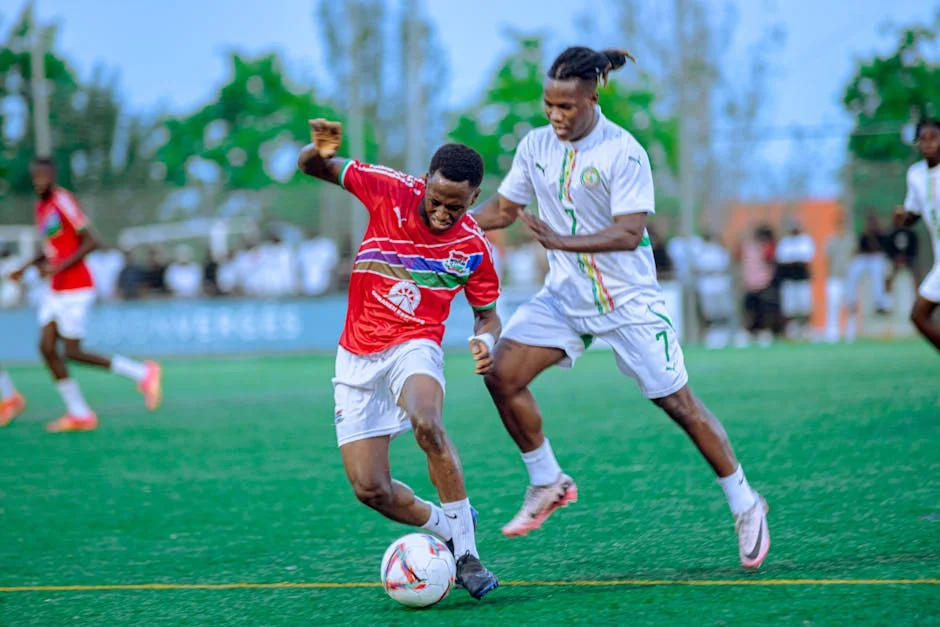
Egypt has officially appointed Mohamed Salah as the captain for their upcoming World Cup campaign, marking a pivotal moment for African football. This decision places the Liverpool star at the helm of the Pharaohs as they prepare to face global giants in the tournament. The announcement sends a powerful signal about the continent’s growing influence on the international stage.
A New Era for African Football Leadership
Mohamed Salah’s appointment as captain is more than a tactical choice; it is a statement of intent for Egyptian football. As the most recognizable African player in the Premier League, his leadership carries weight both on and off the pitch. The Egyptian Football Association (EFA) hopes this move will galvanize the squad and inspire younger players across the nation.

This development aligns with broader efforts to professionalize African football governance. For years, African teams have relied on individual brilliance, often lacking the structural support seen in European counterparts. Salah’s role as captain bridges the gap between sporting excellence and administrative strategy, offering a blueprint for future leadership in the continent’s football associations.
The choice reflects a shift towards leveraging global icons to drive domestic development. By placing a player of Salah’s stature in a leadership role, Egypt aims to boost local engagement and investment in football infrastructure. This approach could serve as a model for other African nations seeking to maximize the impact of their star players.
The Strategic Importance of the World Cup for Africa
The World Cup remains the most prestigious tournament in football, offering African nations a unique platform to showcase their talent and organizational capacity. For Egypt, qualifying for the tournament is a source of national pride, but the stakes extend far beyond the final whistle. The event provides an opportunity to attract investment, enhance national branding, and strengthen diplomatic ties.
From a developmental perspective, the World Cup highlights the importance of infrastructure and governance in African sports. Countries that invest in stadiums, training facilities, and youth academies see tangible returns during the tournament. Egypt’s recent upgrades to Cairo’s sporting venues demonstrate how strategic planning can enhance the fan experience and boost local economies.
The tournament also serves as a catalyst for regional integration. African fans travel in droves to support their teams, creating a vibrant cultural exchange that transcends borders. This phenomenon underscores the potential for football to drive tourism and foster pan-African solidarity, key components of the continent’s development agenda.
Salah’s Influence Beyond the Pitch
Driving Youth Engagement and Education
Mohamed Salah has long been a role model for young Africans, particularly through his charitable initiatives in his home region of Alexandria. His foundation focuses on education, health, and sports, providing opportunities for thousands of children. This commitment to community development mirrors the broader goals of African nations to empower the next generation through holistic support systems.
His leadership on the field is expected to inspire a new wave of talent in Egypt. Young players see Salah as proof that hard work and dedication can lead to global success. This inspiration is crucial for sustaining interest in football and encouraging youth participation, which are essential for the long-term health of the sport.
Moreover, Salah’s professionalism and work ethic set a high standard for his teammates. In a continent where talent is abundant but consistency can be elusive, his example encourages a culture of discipline and accountability. This cultural shift is vital for African teams aiming to compete consistently at the highest level.
Challenges Facing African Teams in the Global Arena
Despite the excitement surrounding Salah’s captaincy, African teams face significant challenges in the World Cup. One of the primary hurdles is the disparity in resources between African and European nations. European clubs often dominate the transfer market, siphoning off the best African talent and leaving domestic leagues to battle for consistency.
Infrastructure remains another critical issue. While Egypt has made strides in modernizing its facilities, many African stadiums still lag behind in terms of comfort and technology. This gap affects not only the players but also the fans, whose experience can influence the overall perception of African football on the global stage.
Governance issues also persist across the continent. Political interference, financial mismanagement, and bureaucratic delays can hinder the progress of national teams. Addressing these structural problems requires sustained effort and collaboration between governments, football associations, and private investors.
Opportunities for Economic Growth and Development
The World Cup presents a significant economic opportunity for African host nations and participating countries. Tourism, merchandise sales, and media rights contribute to a substantial influx of revenue. For Egypt, a successful campaign could boost the local economy, creating jobs and stimulating growth in various sectors.
Football also plays a crucial role in branding and soft power. A strong performance in the World Cup enhances a country’s image, attracting foreign investment and fostering international partnerships. Egypt can leverage Salah’s global appeal to promote tourism and cultural exchange, further integrating the nation into the global economy.
Additionally, the tournament highlights the potential for sports diplomacy. Football serves as a universal language, bridging cultural and political divides. African nations can use this platform to strengthen ties with other continents, promoting peace and cooperation through shared sporting experiences.
What to Watch Next in the Tournament
As the World Cup approaches, all eyes will be on how Mohamed Salah and the Egyptian team perform under pressure. Fans and analysts alike will scrutinize their tactical decisions, player form, and ability to adapt to different playing styles. The outcome of their matches will provide valuable insights into the state of African football.
Key moments to watch include Salah’s leadership during critical games and the team’s cohesion under the captain’s guidance. These factors will determine whether Egypt can advance to the later stages of the tournament and make a lasting impression on the global stage.
Looking ahead, the tournament will also highlight the progress made in African football infrastructure and governance. Observers will assess how well nations have prepared for the event and whether the investments made have yielded tangible results. The next few weeks will be crucial in shaping the narrative around Africa’s football future.
Frequently Asked Questions
What is the latest news about egypt names salah captain for world cup debut?
Egypt has officially appointed Mohamed Salah as the captain for their upcoming World Cup campaign, marking a pivotal moment for African football.
Why does this matter for environment-nature?
The announcement sends a powerful signal about the continent’s growing influence on the international stage.
What are the key facts about egypt names salah captain for world cup debut?
As the most recognizable African player in the Premier League, his leadership carries weight both on and off the pitch.