Zimbabwe's smallholder farmers are increasingly turning to tobacco cultivation as the crop rebounds significantly in the nation. The latest statistics indicate that tobacco production has surged by over 40% in the past year, driven by improved farming techniques and favourable weather conditions.
The Rise of Tobacco Farming in Zimbabwe
In 2023, Zimbabwe reported a record tobacco output of approximately 250 million kilograms, up from 178 million kilograms in 2022. This resurgence is largely attributed to the efforts of smallholder farmers, who now account for about 70% of the total tobacco produced in the country. Farmers in regions such as Manicaland are reaping the benefits of this increase, as they diversify their income sources and enhance their livelihoods through tobacco sales.
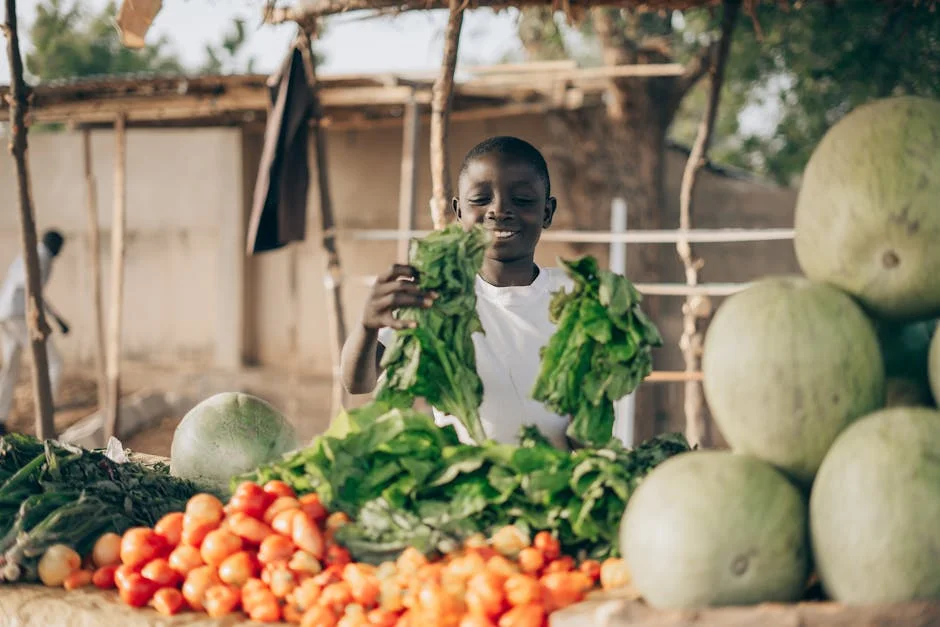
The Zimbabwean government has also played a crucial role in this revival by providing support and resources to smallholder farmers. The Ministry of Agriculture has implemented policies aimed at promoting sustainable farming practices and improving access to financing for those involved in tobacco production.
Impact on African Development Goals
The rebound of tobacco farming in Zimbabwe is not just a local phenomenon; it has broader implications for African development goals. Tobacco production contributes significantly to the economy by generating foreign exchange and creating jobs, which align with the continent's objectives of economic growth and poverty alleviation.
Moreover, the success of smallholders in Zimbabwe showcases a model of agricultural development that could be replicated in other African nations struggling with similar challenges. Countries like Nigeria, where agriculture remains a vital sector, can learn from Zimbabwe's experiences and adapt strategies that promote local production and economic resilience.
Challenges Facing Tobacco Farmers
Despite the encouraging growth, Zimbabwean tobacco farmers face challenges that could threaten this progress. The global shift towards reduced tobacco consumption due to health concerns and regulatory pressures poses a dilemma. Farmers are urged to consider diversifying their crops to mitigate the risk associated with reliance on tobacco.
Additionally, climate change continues to impact agricultural productivity across the continent. Variability in rainfall patterns and other climate-related challenges require farmers to adopt more resilient agricultural practices.
International Market Dynamics
The dynamics of the international tobacco market also influence Zimbabwe's production. Countries like China and Brazil remain significant importers of Zimbabwean tobacco. In 2023, Zimbabwe exported over 90% of its tobacco to these nations, thus making the sector vulnerable to external market fluctuations.
Additionally, the price of tobacco on the global market can significantly affect local farmers’ earnings. As of this year, the average price per kilogram of Zimbabwean tobacco reached $3.20, providing a much-needed boost to farmers' incomes.
Future Prospects for Zimbabwean Farmers
Looking ahead, the future of tobacco farming in Zimbabwe appears promising, provided that farmers can navigate both local and international challenges. The government is planning to enhance support for smallholders through initiatives aimed at improving access to technology and training.
Moreover, as the global market for tobacco evolves, Zimbabwean farmers may benefit from exploring alternative crops that can provide similar economic returns while addressing health concerns. This dual approach could strengthen the resilience of Zimbabwe's agricultural sector.
What to Watch Next
As Zimbabwean farmers adapt to the changing landscape of tobacco farming, stakeholders should monitor upcoming agricultural policies and market trends that could impact production. The next tobacco marketing season is set to begin in March 2024, and it will be crucial to observe how farmers respond to both domestic and international market conditions.
See Also
- Vodacom Lifts Growth Targets as Safaricom Deal Nears
- Nigeria Aims for Carbon Neutrality by 2045 Amidst Development Challenges