Egypt has officially opened a new series of tombs in Luxor to the public, marking a strategic push to revitalize the nation's tourism sector. The unveiling includes the burial site of Queen Tiy, the wife of Amenhotep III, alongside other significant royal chambers. This development aims to capture a larger share of global heritage tourism while generating critical foreign currency for the Egyptian economy.
Strategic Revival of the Valley of the Kings
The Egyptian Ministry of Antiquities led the initiative to restore and open these historical sites. Officials focused on preserving the structural integrity of the tombs while making them accessible for international visitors. The project involved meticulous archaeological work to stabilize the walls and floors of the ancient chambers. This effort represents a shift towards more curated and high-value tourist experiences in Upper Egypt.
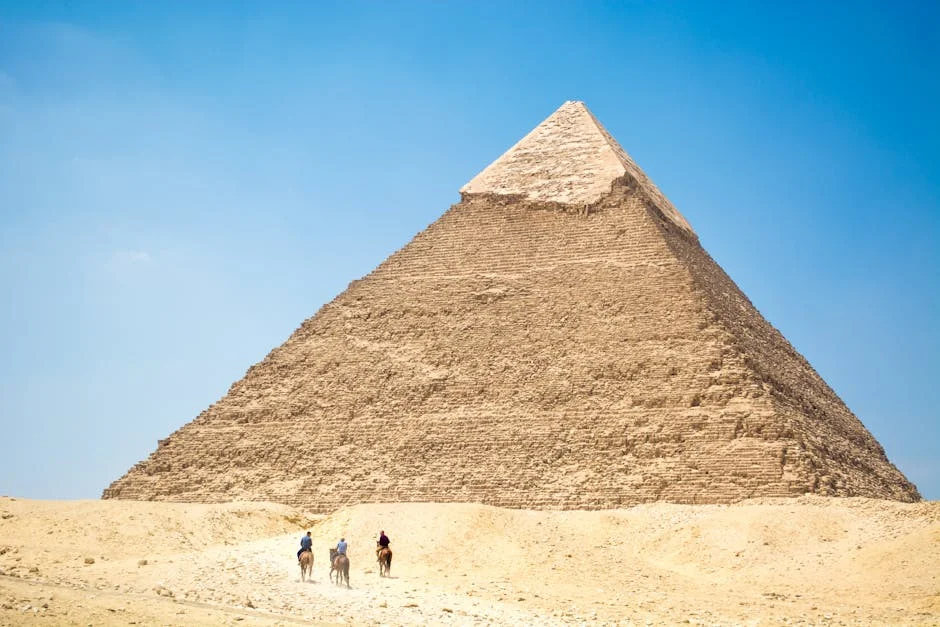
Luxor serves as the crown jewel of Egyptian tourism, attracting millions of visitors annually. The region hosts some of the most iconic structures in the world, including the Karnak Temple and the Valley of the Kings. By opening new tombs, Egypt seeks to extend the average stay of tourists in the area. Longer stays translate directly into higher spending on hospitality, transportation, and local services.
The timing of this opening coincides with broader economic reforms in Cairo. The government is leveraging cultural assets to stabilize the Egyptian pound and reduce inflation. Tourism remains one of the primary sources of hard currency for the country. Investors are watching these developments closely as indicators of economic resilience and growth potential in North Africa.
Economic Implications for African Development
This initiative aligns with broader African development goals centered on sustainable economic growth. Many African nations are looking to diversify their economies beyond traditional commodities like oil and minerals. Cultural heritage offers a renewable resource that can generate consistent revenue streams. Egypt’s approach provides a model for other African countries seeking to monetize their historical assets effectively.
The tourism sector has the potential to create thousands of jobs across various skill levels. From guides and hotel staff to artisans and transport drivers, the multiplier effect is substantial. For African youth, who face high unemployment rates, this sector offers immediate employment opportunities. Governments must ensure that infrastructure supports this growth to maximize benefits for local communities.
Infrastructure development in Luxor has improved significantly in recent years. The new airport and upgraded roads have made access easier for international travelers. However, challenges remain in terms of water supply and waste management. Addressing these issues is crucial for maintaining the quality of the tourist experience and ensuring long-term sustainability.
Preservation Challenges and Opportunities
Preserving ancient sites while opening them to the masses presents a constant challenge. Overcrowding can lead to wear and tear on fragile walls and frescoes. Egypt has implemented ticketing systems and guided tours to manage visitor flow. Technology also plays a role, with virtual reality experiences allowing more people to see the tombs without physical intrusion.
Technological Integration in Heritage Sites
Digital tools are transforming how visitors engage with historical sites. Augmented reality apps provide context and bring the history to life for younger audiences. This technological integration makes the experience more interactive and educational. It also helps in dispersing crowds, reducing pressure on the most popular sections of the tombs.
Funding for preservation often comes from a mix of government budgets and private investment. Public-private partnerships are becoming more common in the sector. These collaborations can bring in expertise and capital that the state alone might lack. However, ensuring that profit does not overshadow preservation requires careful regulatory oversight.
The role of local communities in preservation is also gaining recognition. Engaging locals in the tourism value chain ensures they have a stake in the success of the sites. This involvement can lead to better maintenance and a stronger sense of ownership. It also helps in distributing the economic benefits more evenly across the region.
Comparative Perspectives for African Nations
Other African countries can learn from Egypt’s strategy in Luxor. Nations like Morocco, South Africa, and Kenya have rich historical assets that are underutilized. Developing integrated tourism corridors can help these countries attract more visitors. Coordination between transport, hospitality, and heritage sectors is key to success.
Infrastructure investment is a prerequisite for tourism growth. Reliable power, clean water, and efficient transport networks are essential. African governments need to prioritize these basics to make their destinations competitive. International funding and strategic planning can help bridge the infrastructure gap in many regions.
Marketing is another area where African nations can improve. A unified African tourism brand could help attract more international travelers. Highlighting the diversity and richness of African heritage can differentiate the continent from other global destinations. Collaborative marketing efforts can reduce costs and increase visibility for individual countries.
Global Trends and Visitor Expectations
Global tourism trends are shifting towards more experiential and sustainable travel. Visitors are looking for authentic experiences and meaningful connections with local cultures. Egypt’s new tomb openings cater to this demand by offering deeper historical insights. Providing high-quality guides and curated experiences can enhance visitor satisfaction and encourage repeat visits.
Sustainability is becoming a major factor in travel decisions. Tourists are increasingly concerned about the environmental impact of their trips. Implementing green practices in tourism operations can attract eco-conscious travelers. This includes reducing plastic use, managing waste effectively, and conserving water resources.
The post-pandemic era has also seen a rise in regional travel. Neighboring countries are exploring cross-border tourism packages. This trend can help distribute visitors more evenly and reduce pressure on single destinations. Collaborative efforts between African nations can create seamless travel experiences for tourists.
Investment Opportunities in the Sector
The tourism sector offers significant investment opportunities for African and international investors. Hotels, resorts, and boutique accommodations are in high demand. Investing in high-quality lodging can capture a larger share of the tourist spending. Strategic locations near heritage sites can yield high returns on investment.
Transportation infrastructure also presents investment potential. Airport expansions, road improvements, and rail links can enhance connectivity. These projects not only benefit tourists but also local residents. Public-private partnerships can help finance these large-scale infrastructure developments efficiently.
Cultural enterprises such as museums, galleries, and performance venues offer additional investment avenues. These enterprises can enrich the tourist experience and extend the length of stay. Supporting local artists and craftspeople can also create a vibrant cultural scene that attracts visitors. This holistic approach to tourism development can drive sustained economic growth.
Future Outlook and Next Steps
The success of the Luxor tomb openings will depend on effective management and continued investment. Monitoring visitor numbers and feedback will help in refining the experience. Egypt plans to open more sites in the coming years to maintain momentum. This phased approach allows for better resource allocation and quality control.
African nations should watch how Egypt balances preservation with commercialization. The lessons learned can be applied to other heritage sites across the continent. Strengthening regional cooperation in tourism can create a stronger African brand globally. This collaborative approach can help African countries compete more effectively in the global tourism market.
Investors and policymakers should keep an eye on upcoming tourism conferences and investment forums. These events provide opportunities to network and identify new projects. Staying informed about policy changes and market trends is crucial for making strategic decisions. The future of African tourism looks promising if the right steps are taken now.
See Also
- Kenya Police Confirm Ongoing Identification of School Fire Victims as Parents Await News
- Shallipopi Secures Royal Endorsement from Benin Monarch — Set for Major Performance
Tourists are increasingly concerned about the environmental impact of their trips. Coordination between transport, hospitality, and heritage sectors is key to success.
What is the latest news about egypt opens luxor tombs to boost tourism revenue?
Why does this matter for technology-innovation?
What are the key facts about egypt opens luxor tombs to boost tourism revenue?