Terminal Multi Services Limited has donated a fully integrated ICT-driven office facility to the Nigeria Customs Service in Lagos. This strategic move aims to modernize port operations and reduce the bureaucratic bottlenecks that have long plagued West Africa’s busiest trade gateway. The initiative highlights a growing trend of private sector leadership in filling infrastructure gaps across the continent.
Private Sector Steps Into the Void
The donation comes at a critical juncture for Nigeria’s economy, where port efficiency directly impacts the cost of living and the competitiveness of local industries. Ascanio Russo, the Managing Director of Terminal Multi Services Limited, announced the handover during a ceremony at the Apapa port complex. He emphasized that technology is no longer a luxury but a necessity for clearing goods efficiently.
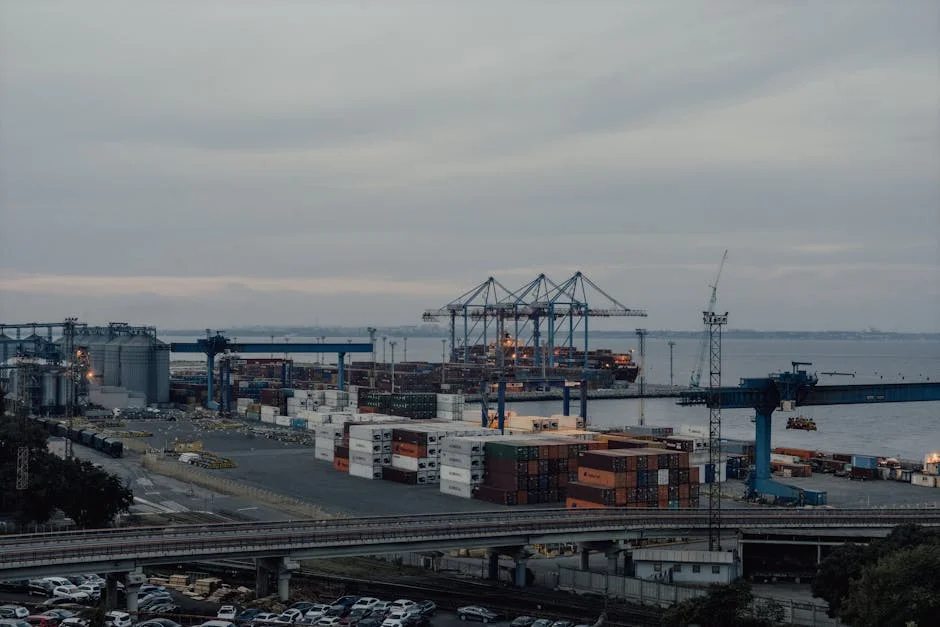
Nigeria has historically relied on state-led infrastructure projects, which often suffer from delayed funding and maintenance issues. This new model, where a terminal operator takes direct ownership of digital infrastructure, offers a scalable solution for other African ports. It shifts the burden of innovation from the government to the entities that benefit most from speed and accuracy.
The facility includes high-speed internet connectivity, automated data servers, and dedicated workstations for customs officers. These tools are designed to minimize the physical handling of documents, which has traditionally been the primary source of delays. By reducing the time trucks spend idling at the port, the project directly addresses the fuel consumption and logistics costs that eat into traders’ profits.
Technology as a Catalyst for Trade
Information technology plays a pivotal role in the African Union’s Agenda 2063, which seeks to create a single market for goods and services. Efficient customs clearance is a prerequisite for seamless cross-border trade within the African Continental Free Trade Area (AfCFTA). Without digital integration, the promise of free trade remains theoretical rather than practical for small and medium enterprises.
The new ICT hub allows for real-time data sharing between the customs authority and shipping lines. This transparency reduces the scope for human error and potential corruption, which has long been a concern at Nigerian ports. When data is centralized and accessible, the need for physical inspections decreases, leading to faster turnaround times for imported goods.
Impact on Local Logistics
For the average trader in Lagos, the difference between a three-day clearance and a seven-day clearance can mean the difference between profit and loss. Perishable goods, such as fruits and pharmaceuticals, are particularly vulnerable to port delays. The new facility targets these high-value sectors by prioritizing their documentation processing.
Logistics companies operating in the Apapa and Onitsha axis have welcomed the development. They argue that predictable clearance times allow for better inventory management and reduced warehousing costs. This stability encourages foreign investors to view Nigeria as a more reliable entry point into the West African market.
Challenges to Continental Integration
While the donation is a positive step, it also exposes the underlying fragility of Nigeria’s public infrastructure. Relying on private entities to provide basic office facilities for a national agency suggests that the state’s capital expenditure plans may be lagging behind operational needs. This dynamic is not unique to Nigeria but is visible in many developing economies across the continent.
African development goals emphasize self-reliance and infrastructure resilience. However, when key economic levers like customs are dependent on the goodwill of terminal operators, the system remains vulnerable to shifts in corporate strategy. Policymakers must ensure that these private investments are complemented by robust public policies that protect the continuity of service.
The Nigeria Customs Service has acknowledged the support, noting that the ICT facility will enhance their ability to collect revenue efficiently. Accurate data collection is essential for budget planning and for funding other critical sectors such as health and education. If the technology works as intended, the government could see an increase in non-oil revenue, which is crucial for economic diversification.
The Role of Leadership in Development
Ascanio Russo’s decision to invest in shared infrastructure reflects a broader understanding of corporate social responsibility. It moves beyond charity to strategic partnership, where the terminal operator and the customs service share the gains of efficiency. This collaborative approach is essential for solving complex problems in emerging markets.
Other terminal operators in West Africa are likely to watch this model closely. If the Terminal Multi facility proves to be a success, it could trigger a wave of similar investments in ports in Ghana, Senegal, and Côte d’Ivoire. This regional emulation could accelerate the digital transformation of African trade corridors.
Leadership in this context means recognizing that infrastructure is a public good that requires private ingenuity. By donating the facility, Terminal Multi Services Limited is setting a benchmark for how businesses can contribute to national development without waiting for government mandates. This proactive stance is what the continent needs to bridge its infrastructure deficit.
Economic Implications for Nigeria
Nigeria’s economy is heavily dependent on imports, particularly for refined petroleum products, vehicles, and electronics. Any reduction in port congestion translates to lower prices for consumers and higher margins for businesses. The ICT facility is expected to reduce the average clearance time by at least 20% in its first year of operation.
This efficiency gain also has environmental benefits. Idling trucks at the Apapa port are a major source of carbon emissions in Lagos. Faster clearance means fewer hours of idling, which contributes to the city’s efforts to improve air quality. This aligns with the broader African goal of sustainable urban development.
The financial sector also stands to benefit. Banks that offer trade finance products rely on the speed of customs clearance to release funds to importers. A more efficient system reduces the risk of default and encourages banks to lend more aggressively to the trade sector. This liquidity can spur growth in other parts of the economy.
Looking Ahead: Sustaining the Momentum
The success of this initiative will depend on sustained maintenance and continuous software updates. Technology evolves rapidly, and what is state-of-the-art today may be obsolete in five years. The Nigeria Customs Service and Terminal Multi Services Limited must establish a clear governance structure to manage the facility’s long-term viability.
Stakeholders should monitor the quarterly reports from the Nigeria Customs Service to see if the projected efficiency gains materialize. Specific metrics, such as the average time to clear a container and the number of trucks entering the port daily, will provide concrete evidence of progress. These data points will be crucial for convincing other ports to adopt similar models.
The next major test will be the integration of this new ICT hub with the wider National Single Window system. Seamless connectivity between the terminal, the customs service, and other regulatory agencies will determine the true impact of the donation. Readers should watch for announcements regarding the rollout of the updated software platform in the coming months, which will signal the next phase of digital transformation in Nigerian ports.
See Also
- Nigerian Manufacturers Demand Pet Food Supplies — Is This a Red Flag for IN?
- Trump Threatens to Destroy Iran's Kharg Island if No Deal