Nigeria’s Vice President, Kashimawo Shettima, formally deposited President Bola Tinubu’s nomination papers at the National Assembly on Tuesday, a decisive move that cements the ruling People’s Democratic Party’s strategy for the 2027 presidential election. This procedural milestone arrives at a critical juncture for the nation’s economy, as citizens continue to grapple with the immediate impacts of bold, albeit painful, fiscal reforms. The submission signals that the administration remains confident in its ability to translate short-term economic sacrifices into long-term continental leadership.
Political Momentum in Abuja
The deposition of the nomination forms in Abuja was not merely a bureaucratic exercise but a strategic political statement. Vice President Shettima, acting as the chief custodian of the presidential bid, emphasized that the timing reflects the administration’s readiness to face the electorate with a clear record of achievement. He argued that the current political climate demands stability and a continuation of the transformative agenda initiated in early 2024. This move consolidates the party’s internal structure and minimizes the window for potential challengers to gain traction before the primary elections.
Observers in the capital noted the disciplined coordination among party stakeholders, which contrasts with the often chaotic pre-election periods seen in previous cycles. The National Assembly, serving as the primary venue for this political theater, witnessed a surge in media attention and stakeholder engagement. This high level of organization suggests that the ruling party is leveraging its institutional strengths to maintain a competitive edge. The focus now shifts to how this political stability can be translated into tangible economic benefits for the average Nigerian.
However, the political confidence displayed in Abuja must be weighed against the growing demands for accountability from civil society groups. These groups argue that while procedural correctness is essential, it does not automatically equate to popular mandate. The administration faces the challenge of bridging the gap between political maneuvering and public perception. Ensuring that the political narrative aligns with the lived experiences of citizens in Lagos, Kano, and Port Harcourt will be crucial for sustaining this momentum.
Defending the Economic Agenda
Central to Shettima’s defense of the administration’s record is the assertion that recent economic decisions were not only necessary but inevitable for Nigeria’s integration into the global market. He pointed to the removal of the fuel subsidy and the unification of the exchange rate as two of the most transformative steps taken by President Tinubu. These measures, while initially causing a surge in the cost of living, were designed to unburden the federal budget and attract foreign direct investment. The Vice President argued that without these difficult choices, Nigeria would have remained stagnant, much like some of its regional peers.
Cost of Living and Public Sentiment
The immediate consequence of these policies has been a sharp increase in the cost of living, particularly in urban centers like Lagos. Inflation rates have climbed significantly, with food prices rising by over 30% in the first half of 2027, according to data from the National Bureau of Statistics. This has sparked widespread public debate, with many citizens questioning the timing of the presidential bid amidst economic hardship. Critics argue that the government should have waited for more visible signs of economic stabilization before launching the nomination process.
Despite the backlash, the administration maintains that the economic pain is temporary and that the structural adjustments are yielding positive results. Foreign exchange reserves have shown signs of recovery, and the Naira has stabilized compared to its volatility in early 2025. Shettima highlighted these metrics as evidence that the economic ship is righting itself. He urged Nigerians to view the current challenges as a necessary phase of a broader development trajectory, rather than a permanent state of affairs.
Alignment with African Development Goals
From a pan-African perspective, Nigeria’s economic reforms are being watched closely as a test case for the continent’s development models. The African Union’s Agenda 2063 emphasizes the need for economic integration, infrastructure development, and good governance. Nigeria’s efforts to streamline its fiscal policies and improve its investment climate align directly with these continental goals. By taking bold steps to reduce dependency on oil revenues and diversify the economy, Nigeria is setting an example for other major African economies.
The administration’s focus on infrastructure development, particularly in the energy and transport sectors, also resonates with the African Development Bank’s priorities. Investments in renewable energy and digital infrastructure are seen as key drivers of sustainable growth. Shettima’s defense of these decisions underscores the government’s commitment to aligning national policies with broader continental aspirations. This alignment could position Nigeria as a leader in the African Continental Free Trade Area (AfCFTA), enhancing its role in regional trade and economic cooperation.
However, the success of this alignment depends on the ability to deliver tangible benefits to the population. If the economic reforms do not translate into job creation and improved living standards, the political capital gained from these initiatives may erode. The administration must ensure that the benefits of economic growth are distributed equitably to maintain social cohesion and political stability. This requires a coordinated effort across various ministries and agencies to implement targeted interventions.
Challenges to Governance and Stability
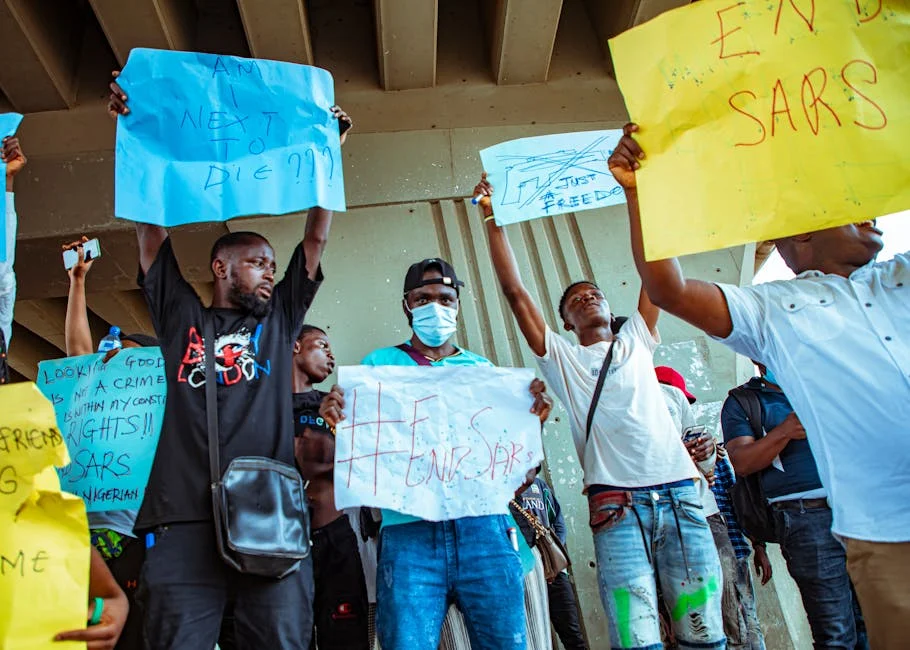
One of the most pressing challenges facing the administration is maintaining political stability amidst economic uncertainty. The cost of living crisis has led to increased social unrest, with protests and strikes becoming more frequent in major cities. The government has responded with a mix of subsidies, cash transfers, and infrastructure projects, but critics argue that these measures are not enough to address the root causes of the economic strain. The effectiveness of these interventions will be a key indicator of the administration’s governance capacity.
Furthermore, the political landscape in Nigeria is becoming increasingly fragmented, with opposition parties and regional leaders capitalizing on public dissatisfaction. The ruling party must navigate these internal and external pressures while maintaining a unified front. This requires effective communication strategies and a clear vision for the future. The administration’s ability to articulate a compelling narrative that connects economic reforms to national progress will be crucial in winning over skeptical voters.
The security situation in various regions, particularly in the North-East and North-West, also poses a challenge to the administration’s development agenda. Insecurity hampers economic activity and displaces thousands of Nigerians, adding to the fiscal burden. The government’s efforts to improve security through military and civilian initiatives must be sustained to create a conducive environment for investment and growth. This requires a multi-faceted approach that addresses both the immediate security threats and the underlying socio-economic drivers of conflict.
Economic Opportunities and Future Prospects
Despite the challenges, there are significant opportunities for economic growth and development in Nigeria. The country’s large population and strategic location in West Africa make it a key player in the regional economy. The administration’s focus on diversifying the economy, particularly in the sectors of agriculture, manufacturing, and technology, has the potential to unlock new sources of revenue and job creation. Investments in these sectors can help reduce Nigeria’s dependence on oil and create a more resilient economic base.
The digital economy is another area of significant potential. Nigeria’s tech startup ecosystem has grown rapidly, attracting billions of dollars in foreign investment. The government’s efforts to improve digital infrastructure and create a favorable regulatory environment can further accelerate this growth. This sector has the potential to create millions of jobs and drive innovation across the country. By leveraging technology, Nigeria can enhance its competitiveness in the global market and improve the quality of life for its citizens.
Infrastructure development remains a critical priority for the administration. The construction of new roads, railways, and power plants can significantly improve the business environment and boost economic activity. The government’s public-private partnership models have shown promise in attracting investment and delivering projects efficiently. Continued focus on infrastructure will be essential for sustaining economic growth and improving the standard of living for Nigerians. This requires sustained political will and effective implementation strategies.
Looking Ahead to the 2027 Election
The deposition of the nomination papers marks the beginning of a new phase in Nigeria’s political and economic journey. The coming months will be crucial in determining whether the administration’s economic reforms will translate into political support. The ruling party must continue to communicate its achievements and address the concerns of the electorate effectively. The opposition will likely intensify its efforts to highlight the administration’s vulnerabilities, making the campaign period highly competitive.
Voters will be watching closely to see if the economic pain of the present is justified by the economic gains of the future. The administration’s ability to deliver on its promises will be the ultimate test of its leadership. As the 2027 election approaches, the focus will shift from procedural milestones to substantive performance. The outcome of this election will have significant implications for Nigeria’s development trajectory and its role in the African continent.
The next critical step will be the announcement of the primary election dates and the subsequent nomination of candidates for key positions. Stakeholders should monitor the transparency and inclusivity of these processes, as they will set the tone for the general election. Additionally, the release of quarterly economic data will provide further insights into the effectiveness of the administration’s policies. Citizens and investors alike will be looking for signs of sustained economic recovery and improved governance.
See Also
- Western Cape Government Rejects Oude Molen Heritage Status — Fight for Development Begins
- Bundesliga Transfers Signal New Era for African Talent Migration