South Africa’s informal recycling sector has achieved record-breaking collection volumes in 2024, driven by robust support systems for waste pickers and strategic municipal partnerships. This development marks a pivotal shift in how the continent’s most industrialized economy manages its urban waste streams and integrates informal labor into the formal economic fabric. The surge in efficiency highlights a scalable model for African cities grappling with rapid urbanization and infrastructure deficits.
Record-Breaking Volumes in Urban Waste Streams
The South African recycling industry processed an unprecedented volume of recyclables last year, signaling a mature phase in the nation’s circular economy efforts. Major metropolitan areas, particularly Johannesburg and Cape Town, reported that waste pickers collected over 1.5 million tonnes of material, a figure that surpasses previous annual highs by a wide margin. This growth is not accidental but the result of deliberate policy interventions and market dynamics that favor material recovery over landfill disposal.
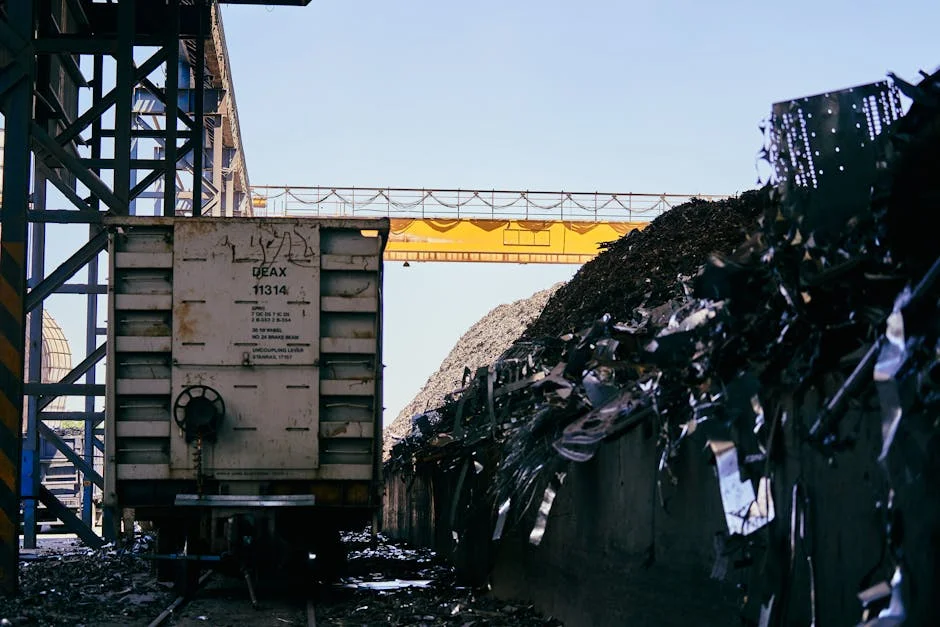
These figures are critical for understanding the economic potential of Africa’s informal sectors. When waste pickers are recognized as key economic actors, the efficiency of urban waste management improves dramatically. The data shows that organized waste picking cooperatives can achieve higher sorting purity than some mechanized facilities, reducing the cost of processing for downstream manufacturers. This efficiency directly contributes to the reduction of methane emissions from landfills, a key environmental goal for the continent.
The Economic Role of Informal Waste Pickers
Waste pickers in South Africa are no longer seen merely as scavengers but as essential service providers in the urban supply chain. Organizations such as the National Waste Picker Organization (NWPO) have been instrumental in lobbying for better working conditions and fairer pricing structures. These efforts have led to increased wages and better access to healthcare for thousands of informal workers, primarily women, who form the backbone of the sector. This social upliftment is a direct contributor to poverty reduction goals outlined in the African Union’s Agenda 2063.
The integration of these workers into the formal economy provides a blueprint for other African nations. In cities like Lagos and Nairobi, informal waste pickers often face harsh conditions with little job security. South Africa’s approach demonstrates that formalization does not require heavy taxation or bureaucratic overload. Instead, it relies on partnerships between municipalities, private recyclers, and worker cooperatives. This model ensures that the financial benefits of recycling are shared more equitably among those doing the physical labor.
Policy Frameworks and Municipal Support
Municipal governments in South Africa have implemented specific by-laws that grant waste pickers exclusive access to certain landfill sites and collection routes. These policies reduce competition and conflict, allowing pickers to operate with greater predictability. The City of Johannesburg, for example, introduced a digital registration system that tracks the volume of materials collected by individual pickers, enabling more accurate payment and data collection. This technological integration is a step forward for digital governance in African urban centers.
Furthermore, public-private partnerships have played a crucial role in funding infrastructure for waste pickers. Private recycling companies have invested in sorting facilities located near major landfill sites, reducing the transportation costs for pickers. This collaboration ensures a steady flow of high-quality materials to manufacturers, stabilizing prices in the secondary raw materials market. Such partnerships are essential for sustaining the sector’s growth and resilience against economic shocks.
Challenges in Scaling the Model Across Africa
Despite these successes, significant challenges remain for the broader adoption of this model across the continent. Infrastructure deficits in many African cities mean that waste collection systems are often fragmented and inefficient. In rural and peri-urban areas, the density of waste may not justify the investment in organized picking cooperatives. Additionally, the lack of standardized data on waste composition makes it difficult for policymakers to design effective interventions in countries with less developed statistical systems than South Africa.
Another major hurdle is the volatility of global commodity prices for recycled materials. When the price of aluminum or plastic pellets drops, the income of waste pickers can fluctuate dramatically. This economic instability requires robust social safety nets and diversified revenue streams to protect workers. African governments must consider how to subsidize or stabilize these markets to ensure that the social benefits of recycling are not lost during global economic downturns. This requires a continental approach to waste trade and valuation.
Environmental Benefits and Climate Goals
The environmental impact of a strengthened recycling sector is profound for Africa’s climate change mitigation strategies. By diverting waste from landfills, South Africa reduces the amount of organic matter that decomposes anaerobically, releasing methane, a potent greenhouse gas. This aligns with the continent’s commitments under the Paris Agreement and the African Union’s Free Movement of Persons protocol, which indirectly benefits from cleaner urban environments. The reduction in plastic pollution in waterways also supports biodiversity and fisheries, which are vital for food security in coastal communities.
Moreover, recycling reduces the need for virgin material extraction, which is often energy-intensive and environmentally destructive. For example, recycling aluminum uses 95% less energy than producing it from bauxite ore. This energy saving translates directly into reduced carbon emissions, contributing to national and continental climate targets. As African cities grow, the pressure on landfills increases, making the shift to a circular economy not just an economic opportunity but an environmental necessity.
Implications for African Urban Development
The success of South Africa’s recycling sector offers valuable lessons for urban planners across Africa. It demonstrates that informal labor can be harnessed to solve complex urban challenges without massive capital investment. By integrating waste pickers into the formal economy, cities can improve sanitation, create jobs, and reduce environmental degradation simultaneously. This multi-benefit approach is essential for maximizing the impact of limited public resources in developing economies.
For policymakers in Nigeria, Kenya, and Ghana, the South African model suggests that focusing on the human element of waste management can yield high returns. Investing in training, equipment, and market access for waste pickers can transform a often-overlooked sector into a powerful engine for local economic development. This approach also promotes social inclusion, giving voice and economic power to marginalized groups, particularly women and youth, who dominate the informal waste picking workforce.
Future Directions and Continental Opportunities
Looking ahead, the potential for growth in Africa’s recycling sector is immense. As urbanization accelerates, the volume of municipal solid waste is expected to double by 2050. This presents a huge opportunity for investment in recycling infrastructure and technology. International donors and private investors are increasingly interested in the African waste management market, recognizing its potential for both social impact and financial return. This influx of capital can help scale successful models from South Africa to other key urban centers.
However, realizing this potential requires coordinated action at the continental level. The African Union could facilitate knowledge sharing and best practice exchanges among member states. Establishing a continental standard for recycled materials could also help create a larger, more stable market for African recyclers. This would reduce dependence on volatile global markets and allow African cities to capture more value from their waste streams. The next five years will be critical for establishing these frameworks and ensuring that the recycling sector continues to drive sustainable development across the continent. Readers should watch for upcoming policy announcements from the African Union Commission on waste management and circular economy strategies, which are expected to outline specific targets and funding mechanisms for member states in the coming quarter.
Frequently Asked Questions
What is the latest news about south africa recyclers shatter records what it means for african cities?
South Africa’s informal recycling sector has achieved record-breaking collection volumes in 2024, driven by robust support systems for waste pickers and strategic municipal partnerships.
Why does this matter for economy-business?
The surge in efficiency highlights a scalable model for African cities grappling with rapid urbanization and infrastructure deficits.
What are the key facts about south africa recyclers shatter records what it means for african cities?
Major metropolitan areas, particularly Johannesburg and Cape Town, reported that waste pickers collected over 1.5 million tonnes of material, a figure that surpasses previous annual highs by a wide margin.