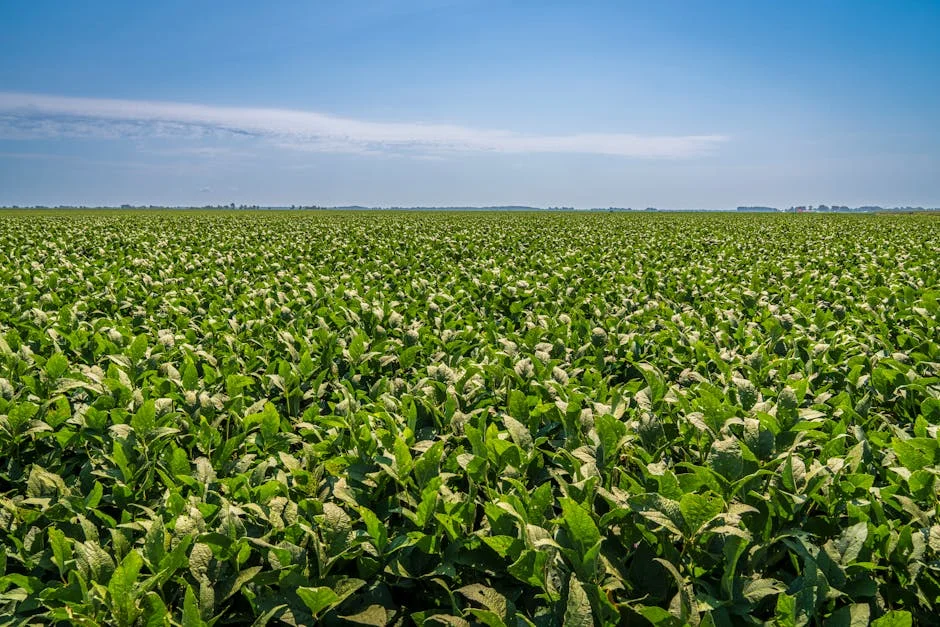
A South African farmer has abandoned his thriving vineyard in Paarl to join a rewilding initiative in the United Kingdom. This personal career shift highlights a broader crisis facing African agriculture and land management. Investors and policymakers must examine why traditional farming models are losing their appeal to the next generation of agrarian leaders.
Paarl Vineyards Face New Uncertainties
The decision to leave Paarl, a historic wine region in the Western Cape, signals deep structural changes in South Africa’s agricultural sector. Farmers are increasingly questioning the long-term viability of monoculture crops like grapes and maize. Climate change poses a direct threat to water security in the region, which is already one of the driest in the country.
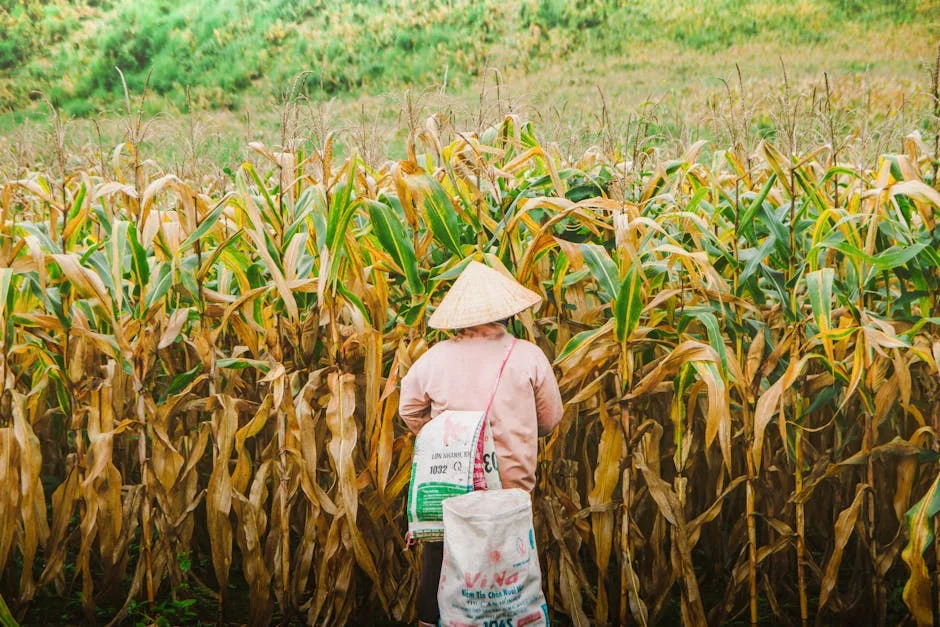
Water scarcity in the Western Cape has forced many growers to adopt expensive irrigation technologies. The cost of production continues to rise, squeezing profit margins for small and medium-sized farmers. This economic pressure is pushing some to look beyond traditional export markets for stability.
The departure of experienced farmers disrupts the local supply chain and affects rural employment in Paarl. Communities that have relied on the wine industry for generations now face an uncertain future. This trend reflects a wider pattern of rural-to-urban migration and sectoral shifts across the continent.
Rewilding Trends Challenge African Land Use
Rewilding involves returning land to its natural state to boost biodiversity and carbon sequestration. The farmer’s move to the UK suggests that global environmental trends are influencing African agricultural decisions. However, the application of rewilding concepts in Africa requires careful adaptation to local socio-economic conditions.
African nations are under pressure to balance food security with environmental conservation. The continent faces the dual challenge of feeding a growing population while preserving fragile ecosystems. Policies that favor large-scale commercial farming often overlook the benefits of diversified, nature-based agricultural systems.
This shift raises critical questions about land tenure and usage rights in Africa. Many African farmers lack secure title to their land, making long-term investments in soil health difficult. Without clear property rights, the transition to sustainable practices remains slow and fragmented.
Implications for Food Security
Food security remains a top priority for African governments as populations continue to grow rapidly. The focus on high-value export crops like wine can sometimes divert resources away from staple food production. This imbalance can lead to increased reliance on food imports, affecting national economies.
Nigeria, for example, imports significant quantities of rice and wheat to meet domestic demand. The agricultural strategies adopted in South Africa offer valuable lessons for other African nations. Diversifying crops and integrating agroforestry can enhance resilience against climate shocks.
Investors are beginning to recognize the potential of nature-based solutions in African agriculture. Projects that combine farming with ecosystem restoration can attract green financing from international markets. This approach could help bridge the funding gap for smallholder farmers across the continent.
South Africa’s Agricultural Economy Under Pressure
The South African economy relies heavily on agriculture for employment and export revenue. Recent data shows that the agricultural sector contributes approximately 2.5% to the country’s Gross Domestic Product. However, its share of total employment remains higher, indicating the sector’s labor-intensive nature.
The cost of living crisis in South Africa has also impacted agricultural input costs. Fertilizer prices have surged due to global supply chain disruptions and currency fluctuations. These factors have made it harder for farmers to maintain profitability without raising consumer prices.
Government subsidies and support mechanisms are often criticized for being inefficient and poorly targeted. Many smallholder farmers struggle to access credit and modern technology. This structural weakness limits the sector’s potential to drive broader economic growth and job creation.
Lessons for Nigeria’s Agricultural Sector
Nigeria’s agricultural landscape shares several similarities with that of South Africa. Both countries face challenges related to infrastructure, climate variability, and market access. The decision of the Paarl farmer to leave his land offers a cautionary tale for Nigerian investors and policymakers.
Nigeria has launched several agricultural initiatives to boost local production and reduce imports. The Agricultural Transformation Agenda and the Emerging Markets Premium Bond are examples of policy interventions. However, implementation gaps often hinder the effectiveness of these programs.
The Nigerian government must prioritize investment in rural infrastructure to support farmers. Better roads, storage facilities, and irrigation systems can significantly reduce post-harvest losses. This infrastructure development is essential for enhancing the competitiveness of African agricultural products.
Collaboration between South African and Nigerian agricultural experts could yield valuable insights. Sharing best practices in water management and crop diversification can help both nations adapt to climate change. Such regional cooperation is crucial for achieving the goals of the African Continental Free Trade Area.
Water Scarcity and Climate Resilience
Water scarcity is one of the most pressing challenges for African agriculture. The Western Cape’s recent droughts have demonstrated the vulnerability of rain-fed and irrigated farming systems. Climate models predict that water stress will intensify in many parts of Africa over the coming decades.
Investing in water-efficient technologies is essential for building climate resilience. Drip irrigation and rainwater harvesting systems can help farmers optimize water usage. These technologies require upfront capital, which is often a barrier for smallholder farmers.
Government policies should encourage the adoption of water-saving practices through subsidies and tax incentives. Public-private partnerships can also play a key role in financing water infrastructure projects. This strategic approach can help secure the future of African agriculture in a changing climate.
The Role of Policy and Governance
Effective governance is critical for addressing the challenges facing African agriculture. Policies must be designed to support farmers while promoting environmental sustainability. This requires a coordinated effort between government agencies, private sector players, and local communities.
Land reform remains a contentious issue in many African countries. Clear and equitable land tenure systems can empower farmers to make long-term investments. This stability is essential for improving productivity and attracting foreign direct investment.
Transparency in agricultural value chains can help reduce costs and improve market access for farmers. Digital platforms and mobile technologies can enhance information flow between producers and consumers. This digital transformation can help African farmers compete more effectively in global markets.
Future Outlook for African Agriculture
The future of African agriculture depends on the ability of nations to adapt to changing economic and environmental conditions. The story of the Paarl farmer is a microcosm of the broader challenges facing the sector. It highlights the need for innovation, investment, and policy reform.
African governments must prioritize agriculture as a key driver of economic growth and job creation. This requires a shift from traditional farming models to more sustainable and diversified approaches. Integrating nature-based solutions can help achieve both economic and environmental goals.
Investors and policymakers should monitor developments in South Africa and Nigeria for emerging trends. The agricultural sectors in these two countries are likely to influence broader continental strategies. Staying informed about these changes is essential for making strategic decisions in the African market.
Readers should watch for upcoming policy announcements from the South African Department of Agriculture and the Nigerian Ministry of Agriculture. These announcements will provide insights into how governments plan to address the challenges facing farmers. The next quarter will be a critical period for agricultural policy development in both nations.
See Also
- Nedbank Joins Forces with Crypto.com to Revolutionise Fintech in Africa: What This Means
- Benfica Breaks Record for Most Losses in Champions League History
What is the latest news about south africa farmer quits paarl winery what it means for african agriculture?
Why does this matter for technology-innovation?
What are the key facts about south africa farmer quits paarl winery what it means for african agriculture?