Africa has long been known for its extraordinary natural resources, but one of the continent's most underappreciated export sectors is its furniture and timber industry. As Eastern European markets mature and consumers increasingly seek premium, exotic, and sustainably sourced materials, African wood and handcrafted furniture are carving out a growing niche in countries like Ukraine, Poland, Romania, and the Czech Republic. This article explores the dynamics driving this emerging trade corridor, from the forests of West Africa to the showrooms of Kyiv.
Africa's Timber Wealth: A Resource the World Is Noticing
Africa is home to some of the world's most prized timber species. From the dense rainforests of Central and West Africa to the dry woodlands of East Africa, the continent produces a remarkable variety of hardwoods and exotic materials that command premium prices in global markets.
Key African Wood Species for Export
- African Ebony (Diospyros crassiflora): One of the densest and most luxurious woods in the world, ebony is native to West and Central Africa, particularly Cameroon and Gabon. Its deep black color and fine grain make it ideal for high-end furniture accents, musical instruments, and decorative inlays. Eastern European luxury furniture makers have shown growing interest in sourcing certified ebony for bespoke cabinetry and premium interior pieces.
- African Teak (Milicia excelsa, also known as Iroko): Often called African teak, Iroko is durable, weather-resistant, and naturally oily — qualities that make it highly valued for outdoor furniture, flooring, and boat building. Its golden-brown appearance closely resembles Asian teak but is frequently more sustainably available. Ukrainian importers have begun exploring Iroko as an alternative to increasingly restricted Asian teak supplies.
- Rattan and Cane: While rattan is more associated with Southeast Asia, African varieties — particularly from Central and West African forests — are gaining attention. Artisans in Ghana, Nigeria, and Côte d'Ivoire have developed sophisticated rattan furniture traditions that appeal to European buyers seeking lightweight, eco-friendly indoor and outdoor furniture.
- Mango Wood: Harvested from mango trees at the end of their fruit-bearing life, mango wood has become one of Africa's most sustainable timber exports. It is used extensively in East Africa — particularly Kenya and Tanzania — for furniture, bowls, and decorative objects. Its distinctive grain patterns and warm honey tones have made it popular in Scandinavian-influenced interior design, a trend now spreading to Eastern Europe.
- Mahogany and Sapele: African mahogany (Khaya species) and sapele are foundational export timbers, particularly from Ghana, Nigeria, and Cameroon. Both woods are renowned for their workability and beautiful grain, making them staples in European furniture manufacturing.
Eastern European Demand: A Market in Transition
Eastern Europe's furniture market has evolved significantly over the past two decades. Once dominated by Soviet-era mass production, the region's middle class has grown considerably, and consumer tastes have shifted toward quality, individuality, and sustainable sourcing. This shift has opened the door for African materials and finished goods.
Market Drivers Across Eastern Europe
- Rising middle-class incomes: In countries like Poland, Romania, and pre-war Ukraine, growing disposable incomes have fueled demand for premium home furnishings. Consumers are willing to pay more for unique, handcrafted, or exotic pieces.
- Interior design trends: The popularity of biophilic design — incorporating natural materials, textures, and organic forms — has boosted demand for African woods, rattan, and handcrafted items that bring nature indoors.
- Rejection of mass-produced goods: A discernible backlash against cheap, flat-pack furniture has emerged among urban Eastern European consumers. Artisan and artisanal-origin products carry a premium positioning that African craft exports can fill.
- EU sustainability standards: Eastern European countries increasingly align with EU environmental standards, making FSC-certified African timber highly attractive compared to illegally logged alternatives from other regions.
Ukraine as Furniture Importer and Manufacturer
Ukraine occupies a unique dual role in European furniture markets. It is both a significant manufacturer — exporting processed wood and furniture to Western Europe — and an importer of exotic materials and finished pieces from other regions. This duality makes it an especially interesting partner for African exporters.
Before the full-scale Russian invasion in February 2022, Ukraine's furniture sector was growing steadily. Carpathian forests provided domestic timber, while Ukrainian factories produced cabinets, upholstered furniture, and kitchen units for export to Poland, Germany, and the Baltic states. The sector employed hundreds of thousands of people and contributed meaningfully to GDP.
Ukrainian Furniture Industry Overview
- Ukraine has over 4,000 registered furniture manufacturers, ranging from small artisan workshops to large industrial facilities.
- The country exports furniture primarily to EU markets, with Poland, Germany, and Romania among the top destinations.
- Ukrainian manufacturers have historically imported exotic hardwoods for premium product lines, sourcing from Southeast Asia and, increasingly, Africa.
- Post-war reconstruction is already being planned, and international partners are positioning themselves to participate in supplying materials and expertise.
For African exporters, Ukraine represents both a current and a future opportunity. Even during wartime, demand for building materials and furniture in western Ukraine — which has been far less affected by direct conflict — has remained significant. Post-war, the reconstruction of millions of damaged and destroyed homes and public buildings will require enormous quantities of materials, including timber and furniture.
Resources like IntMebel Ukraine serve as valuable hubs for understanding the Ukrainian furniture market, connecting importers, manufacturers, and retailers in a single platform. For African exporters seeking to enter this market, platforms like IntMebel offer a direct window into buyer preferences, pricing norms, and supply chain contacts.
Africa-to-Europe Furniture Trade Routes
The logistics of shipping furniture and timber from Africa to Eastern Europe have historically been challenging, but improving infrastructure and trade agreements are making the corridor more viable.
Primary Shipping Corridors
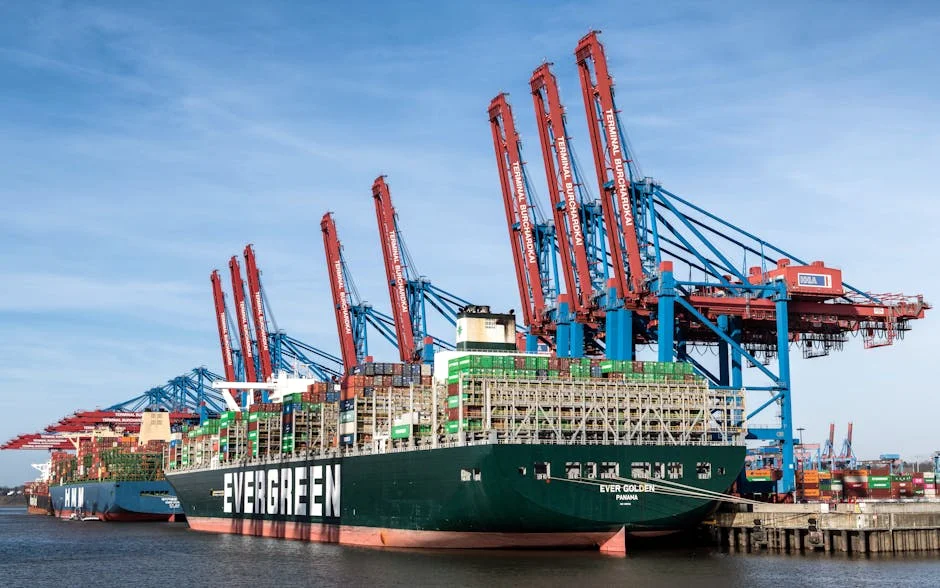
- West Africa to Western Europe, then overland: Timber and furniture from Ghana, Nigeria, and Cameroon typically travel by container ship to ports in Hamburg, Rotterdam, or Antwerp. From there, overland freight routes extend into Eastern Europe. While this adds transit time, it leverages established logistics infrastructure.
- East Africa via Suez Canal: Kenyan and Tanzanian exporters route goods through the Port of Mombasa or Dar es Salaam, then north through the Red Sea and Suez Canal to Mediterranean ports, including Odesa (when accessible) or Constanta in Romania, which serves as a major hub for Eastern European imports.
- Direct air freight for high-value items: Luxury and one-of-a-kind artisan pieces — carved ebony sculptures, hand-woven rattan chairs — sometimes travel by air freight to major Eastern European airports. While expensive, this route is viable for items with very high per-unit value.
Logistics Challenges and Solutions
- Port congestion at major African export terminals remains an issue, though investment in port infrastructure across Mombasa, Lagos, and Tema (Ghana) is improving throughput.
- Documentation requirements — including phytosanitary certificates, CITES permits for certain timber species, and country-of-origin certificates — add complexity but are manageable with experienced freight forwarders.
- Currency exchange and payment security can be addressed through letters of credit and international escrow services familiar to experienced African exporters.
Fair Trade Certification for African Crafts
One of the most powerful tools available to African furniture and craft exporters is fair trade certification. In Eastern European markets — particularly among urban, environmentally conscious consumers — the fair trade label signals authenticity, ethical sourcing, and social responsibility.
Organizations such as the World Fair Trade Organization (WFTO) and Fair Trade International certify African craft producers and cooperatives, verifying that artisans receive fair wages, work in safe conditions, and participate in democratic decision-making within their organizations.
Benefits of Fair Trade Certification for African Exporters
- Access to premium market segments willing to pay 15–30% above commodity prices for certified goods.
- Stronger relationships with European importers and retailers who prioritize ethical supply chains.
- Brand differentiation in a crowded marketplace — particularly valuable as competition from mass-produced Asian alternatives intensifies.
- Eligibility for EU development programs and preferential tariff treatment under agreements like the Economic Partnership Agreements (EPAs).
Artisan Workshops in Ghana, Nigeria, and Kenya
Some of Africa's most exciting furniture export potential lies not in raw timber but in finished and semi-finished artisan pieces produced in workshops across the continent.
Ghana: The Craft Export Hub
Ghana has developed one of Africa's most sophisticated craft export industries. The country's furniture and woodcarving traditions — rooted in Ashanti royal craftsmanship — have evolved into a modern export sector. Clusters of workshops in Kumasi and Accra produce everything from hand-carved stools and ceremonial chairs to contemporary rattan furniture adapted for European tastes.
Ghana's government has actively supported craft export development through the Ghana Export Promotion Authority (GEPA), which facilitates market access and buyer matchmaking for furniture producers targeting European markets.
Nigeria: Scale and Diversity
Nigeria's furniture sector benefits from the country's enormous domestic market, which has created sophisticated manufacturing capabilities. Lagos-based furniture makers increasingly export to the diaspora and beyond, with pieces characterized by bold design, quality hardwoods, and competitive pricing. The country's timber belt in states like Cross River and Edo provides access to premium hardwood species.
Kenya: East African Craft Excellence
Kenya has long exported handcrafted goods to Europe and North America, with mango wood furniture, soapstone items, and Maasai-inspired decorative pieces finding loyal audiences abroad. Nairobi's growing design scene has added a contemporary edge to traditional craft exports, producing pieces that blend African aesthetics with global interior design trends. Kenyan exporters have established reliable trade links with importers in Germany, the Netherlands, and increasingly, Poland and the Czech Republic.
How Ukrainian Importers Source African Materials
Ukrainian furniture importers and manufacturers interested in African materials typically access the market through several channels.
- International trade fairs: Events like the Cologne International Furniture Fair (IMM Cologne), Maison et Objet in Paris, and the African Fine Coffee Conference bring African producers and European buyers together. Ukrainian importers have historically used these fairs to discover new suppliers from Africa.
- Online B2B platforms: Alibaba, Global Sources, and Africa-specific platforms like Africa Business Pages connect Ukrainian buyers with African timber suppliers and furniture manufacturers.
- Direct country visits: Some Ukrainian importers have undertaken sourcing trips to Ghana, Kenya, and South Africa, particularly those with existing contacts in African markets or diaspora connections.
- Timber brokers and agents: Specialist brokers in Hamburg, Amsterdam, and Warsaw often facilitate African timber purchases for Eastern European buyers, handling logistics, documentation, and quality verification.
Sustainability and FSC Certification
The Forest Stewardship Council (FSC) certification is increasingly a non-negotiable requirement for African timber entering European markets. EU regulations targeting illegal deforestation — including the EU Deforestation Regulation (EUDR) that came into force in 2023 — require importers to demonstrate that products have not contributed to deforestation.
For African exporters, obtaining and maintaining FSC certification is both a challenge and an opportunity. The certification process requires verified chain-of-custody documentation from forest to finished product, which demands investment in record-keeping and potentially third-party auditing.
Countries with Growing FSC-Certified Forest Areas
- Ghana: Has made significant progress in forest governance and has FSC-certified concessions producing legally verified timber.
- Cameroon: Despite challenges with illegal logging, has developed FSC-certified operations, particularly for sapele and other hardwoods.
- South Africa: Has a well-developed FSC certification program, particularly in plantation timber (pine and eucalyptus), which is increasingly exported to Eastern Europe.
- Tanzania and Kenya: Growing FSC certification in plantation and natural forest operations, with strong NGO support for smallholder forestry certification.
Handcrafted African Furniture as Premium Market in Ukraine
In the Ukrainian market, handcrafted African furniture occupies an intriguing niche. The aesthetic contrast between African craftsmanship and Central European interior design creates a distinctive visual statement that appeals to design-conscious urban consumers in Kyiv, Lviv, Kharkiv, and Odesa.
Interior designers in major Ukrainian cities have reported growing client interest in "global" design — mixing Ukrainian folk aesthetics with elements from African, Japanese, and Scandinavian traditions. African carved wood pieces, woven rattan furniture, and mango wood accessories integrate surprisingly well into both rustic Ukrainian cottage-style interiors and minimalist modern apartments.
The market for such items in Ukraine, while not large in absolute terms, is highly profitable. Markups on imported handcrafted African pieces range from 200% to 400% over landed cost, reflecting the rarity, authenticity, and story-value of the products. For African exporters, even modest volumes sold at premium prices can be highly worthwhile.
Opportunities for African Exporters: Post-War Reconstruction
Perhaps the most significant long-term opportunity for African furniture and timber exporters lies in Ukraine's reconstruction. The scale of destruction wrought by Russia's invasion is staggering: according to the Kyiv School of Economics, damage to buildings and infrastructure exceeded $150 billion by 2024, with millions of residential units damaged or destroyed.
Reconstruction will require not only structural materials but enormous quantities of flooring, furniture, cabinetry, and interior fittings. International aid and investment flowing into Ukraine's recovery will create demand for cost-competitive, quality-assured materials from around the world — including Africa.
Strategic Entry Points for African Exporters
- Partnering with Ukrainian architectural and design firms involved in reconstruction planning.
- Engaging with international NGOs and aid organizations managing reconstruction contracts.
- Connecting with the Ukrainian government's reconstruction coordination office, which has engaged international partners from across the globe.
- Building relationships with Polish logistics companies, which serve as gatekeepers for much of the material flow into Ukraine.
- Utilizing platforms such as IntMebel Ukraine to reach furniture importers, retailers, and contractors directly engaged in Ukrainian market supply chains.
Practical Steps for African Exporters Entering Eastern European Markets
- Obtain relevant certifications: FSC, fair trade, and country-of-origin documentation are minimum requirements for serious market entry.
- Develop a professional export catalog: High-quality photography, technical specifications (dimensions, wood species, finish options), and competitive pricing in EUR are essential for engaging European buyers.
- Attend European trade fairs: IMM Cologne, Domotex (Hannover), and EuroCIS give African exporters face-to-face access to European buyers in a competitive but relationship-driven environment.
- Engage African export promotion agencies: Ghana's GEPA, Kenya's Export Promotion Council, and Nigeria's Nigerian Export Promotion Council (NEPC) all offer support services for furniture and craft exporters targeting European markets.
- Consider joint ventures: Partnering with Eastern European importers or distributors reduces market entry risk and leverages local market knowledge.
Conclusion: A Trade Corridor with Genuine Promise
The trade corridor between African furniture and timber producers and Eastern European markets — including Ukraine — is nascent but growing. Structural trends on both sides of the equation support its development: Africa has abundant, increasingly certified wood resources and a vibrant artisan furniture sector hungry for export markets; Eastern Europe has a maturing consumer base seeking quality, authenticity, and sustainable sourcing.
Ukraine, despite the challenges of war and reconstruction, remains a relevant destination with a sophisticated furniture manufacturing base and growing luxury consumer market in western regions. Post-war, its reconstruction needs will create demand on a scale that few countries will generate. African exporters who establish relationships, certifications, and logistics networks now will be well-positioned to capitalize when reconstruction spending accelerates.
The journey from an artisan workshop in Kumasi or Nairobi to a furniture showroom in Kyiv or Lviv is logistically complex but commercially compelling. With the right certifications, partnerships, and strategic patience, African furniture and timber exporters have a genuine opportunity to build lasting trade relationships with one of Europe's most dynamic and resilient markets.
See Also
- African Union Calls for United Front on Food Security Amid Climate Pressures
- Ghana's Cocoa Farmers Move Into Chocolate Manufacturing