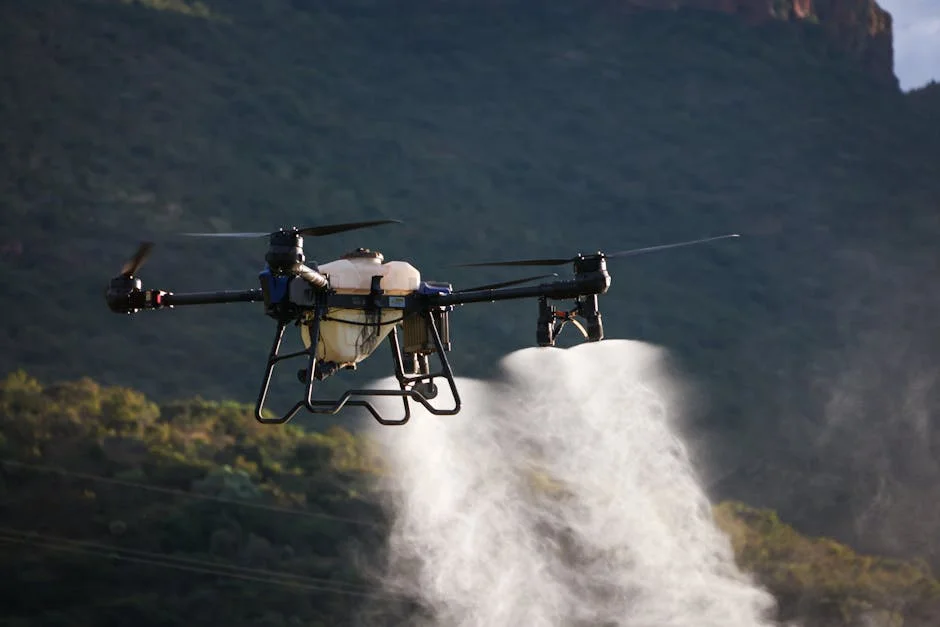
Ukrainian forces launched a series of precision strikes on Moscow, hitting high-rise buildings in close proximity to the Kremlin for the first time. The attack demonstrates a shift in tactical reach, challenging the perceived safety of Russia’s political heartland. This development sends immediate ripples through global markets, with direct implications for African economies heavily reliant on Russian energy and grain exports.
Tactical Shift in the Eastern Front
The strikes targeted residential and office towers near the Red Square area, marking a psychological blow to the Russian leadership. Ukrainian drones and missiles penetrated the air defense grid that had long protected the capital city. This breach suggests that Moscow’s air defense systems, often described as impenetrable, are facing capacity issues due to the sheer volume of incoming projectiles.
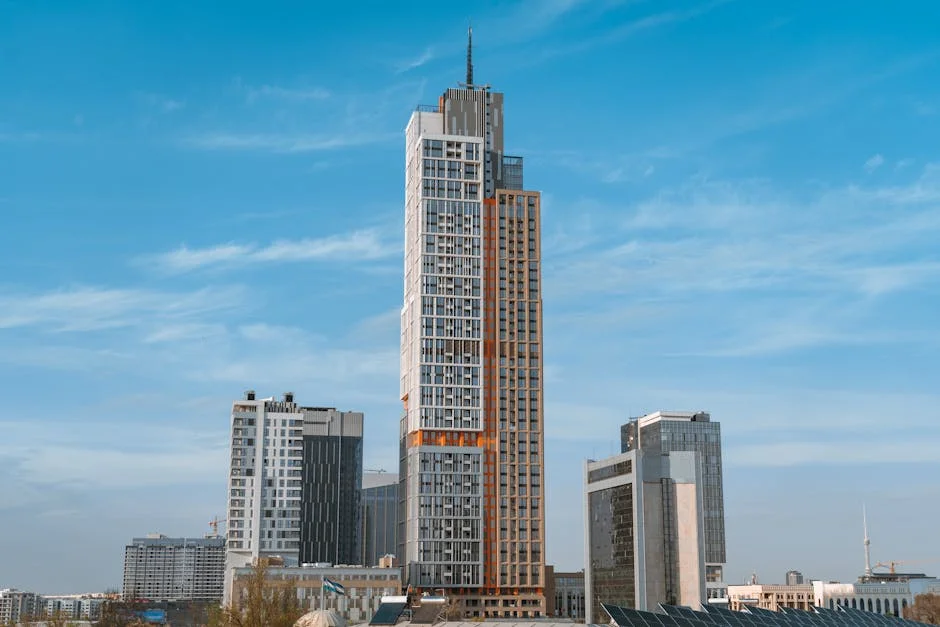
Military analysts note that the choice of targets is strategic rather than purely symbolic. By striking buildings used by Russian ministries and intelligence agencies, Kiev aims to disrupt the logistical command structure of the war effort. The precision of the hits indicates improved intelligence sharing with Western allies, particularly regarding real-time movement of Russian officials.
Energy Markets and African Inflation
For African nations, the stability of Moscow’s energy output is critical to controlling domestic inflation. Russia remains one of the top suppliers of crude oil and natural gas to the continent. Any disruption in production or export routes caused by intensified fighting in Moscow could lead to a spike in global energy prices.
Nigeria, as a major oil producer, faces a complex relationship with Russian energy markets. A surge in global oil prices might boost export revenues but could also increase the cost of imported refined petroleum products. The Central Bank of Nigeria must monitor these fluctuations closely to manage the Naira’s stability against the US Dollar and the Euro.
Impact on Food Security
Beyond energy, the war heavily impacts food security across the African continent. Russia and Ukraine are often referred to as the breadbasket of the world, supplying vast quantities of wheat, corn, and sunflower oil. Disruptions in Moscow can affect the logistics of grain exports, leading to price volatility in African markets.
Countries like Egypt, Kenya, and Nigeria import significant amounts of wheat from the Black Sea region. If the strikes on Moscow lead to a broader escalation, shipping routes could become more congested or expensive. This would directly affect the cost of bread and staple foods for millions of African households.
Geopolitical Realignment and African Diplomacy
The attack on Moscow highlights the shifting alliances within the African Union. Many African nations have maintained a non-aligned stance, seeking to balance relationships with both Russia and the West. However, the intensification of the war forces these nations to make harder choices regarding trade and diplomatic support.
Russia has been increasing its military presence in Africa, with significant deployments in the Sahel region. Countries like Niger, Mali, and Burkina Faso have turned to Moscow for security assistance, often replacing French influence. The situation in Ukraine affects Russia’s ability to project power in Africa, potentially altering the balance of influence on the continent.
African leaders must navigate these geopolitical shifts carefully. Over-reliance on Russian military support could tie African nations to the vagaries of the European conflict. Diversifying security partnerships and strengthening regional defense mechanisms remain crucial for long-term stability.
Economic Opportunities and Challenges
While the war presents challenges, it also offers opportunities for African economic development. The disruption of global supply chains has encouraged African nations to accelerate their industrialization efforts. Local production of food and energy can reduce dependency on volatile international markets.
Investment in renewable energy infrastructure in Africa can mitigate the impact of oil price shocks. Countries that invest in solar and wind power can stabilize their energy costs and attract foreign direct investment. This transition is essential for sustainable economic growth and climate resilience.
Furthermore, the war has highlighted the need for stronger African trade integration. The African Continental Free Trade Area (AfCFTA) offers a framework for reducing trade barriers and boosting intra-African commerce. Strengthening regional value chains can help African economies withstand external shocks from conflicts like the one in Ukraine.
Future Implications for the Continent
The strikes on Moscow signal that the war in Ukraine is entering a new, more intense phase. African nations must prepare for potential economic repercussions, including higher energy and food prices. Governments should review their trade agreements and diversify their import sources to reduce vulnerability.
Diplomatic engagement with both Russia and Western powers will remain critical. African leaders should leverage their collective bargaining power to secure favorable trade terms and investment deals. The continent’s strategic importance is growing, and smart diplomacy can translate this into tangible development benefits.
Watch for announcements from the African Union regarding energy and food security strategies in the coming months. The next quarter will be crucial for assessing the long-term impact of the Ukraine war on African economies. Investors and policymakers should closely monitor oil prices and grain export data from the Black Sea region.
Frequently Asked Questions
What is the latest news about ukraine strikes moscow skyscrapers what nigeria must watch?
Ukrainian forces launched a series of precision strikes on Moscow, hitting high-rise buildings in close proximity to the Kremlin for the first time.
Why does this matter for economy-business?
This development sends immediate ripples through global markets, with direct implications for African economies heavily reliant on Russian energy and grain exports.
What are the key facts about ukraine strikes moscow skyscrapers what nigeria must watch?
Ukrainian drones and missiles penetrated the air defense grid that had long protected the capital city.