The United Kingdom’s Royal Air Force faces a potential financial lifeline as government spending pressures mount. This development in London offers a critical lesson for African nations building their own strategic assets. African leaders must view this not merely as European news but as a blueprint for sustainable continental growth.
Financial Pressures on British Defense
The UK government is evaluating a major bailout package to stabilize the Royal Air Force. Economic analysts in London warn that without immediate intervention, operational readiness could drop significantly. The cost of maintaining modern aircraft in a volatile global market has surged beyond initial projections.
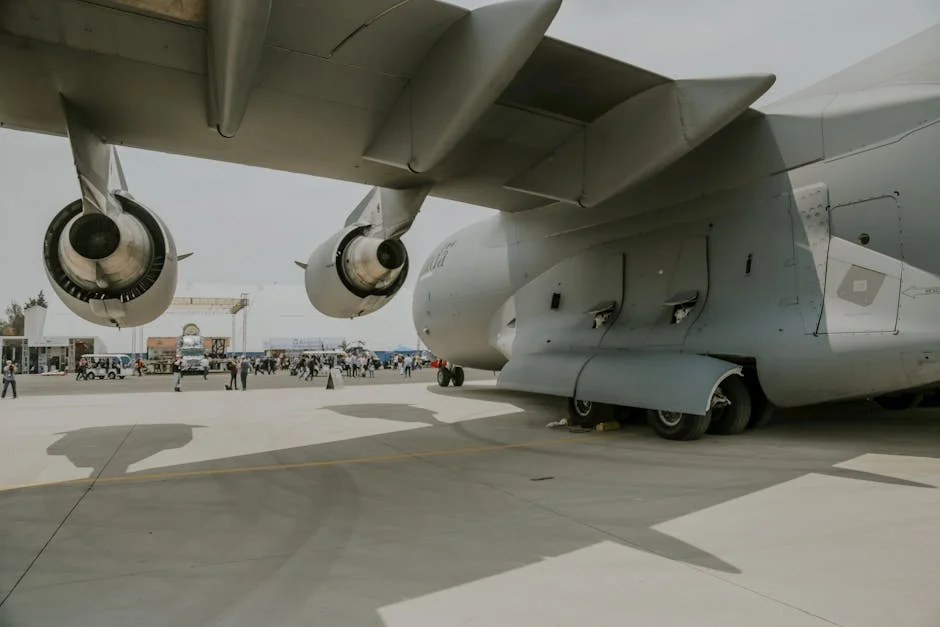
This situation highlights the fragility of relying on imported defense technology without a robust domestic industrial base. The UK’s experience shows that high maintenance costs can quickly drain national budgets. African countries observing this crisis should note the importance of fiscal discipline in capital-intensive sectors.
London’s financial markets are already reacting to the potential increase in public debt. Investors are scrutinizing government spending habits with renewed intensity. The political fallout in Westminster could force hard choices between defense spending and social welfare programs.
Lessons for African Infrastructure Development
African nations are currently investing heavily in infrastructure to drive economic integration. The UK’s struggle reminds us that infrastructure requires consistent funding to remain effective. Roads, railways, and airports need more than just initial capital; they demand long-term operational budgets.
The African Development Bank emphasizes that sustainable infrastructure must be financially viable from day one. Many African projects fail because they focus on construction while neglecting maintenance costs. The Royal Air Force case study serves as a stark warning against underestimating recurring expenses.
Continental leaders must prioritize projects that generate immediate revenue to offset long-term costs. This approach reduces reliance on external loans and donor funding. Sustainable development requires a shift from capital expenditure to operational efficiency across all sectors.
Economic Implications for the Continent
The economic ripple effects of the UK’s defense spending could impact global supply chains. African manufacturers may see changes in demand for raw materials and components. Understanding these global shifts allows African economies to position themselves strategically.
Trade relationships between Europe and Africa are evolving rapidly. As Britain adjusts its economic priorities, African exporters have an opportunity to fill gaps in the European market. This dynamic requires African trade ministers to remain agile and responsive to global economic trends.
Investors are looking for stability and clear return on investment in emerging markets. The UK’s fiscal challenges highlight the importance of transparent governance and economic planning. African nations that demonstrate fiscal responsibility will attract more foreign direct investment.
Strengthening Pan-African Strategic Autonomy
The African Union has long advocated for greater strategic autonomy across the continent. The UK’s reliance on a single large military asset underscores the need for diversified capabilities. African nations are increasingly looking toward regional defense partnerships to share costs and resources.
Initiatives like the African Peace and Security Architecture aim to reduce dependency on external powers. The Royal Air Force crisis reinforces the argument for building indigenous defense industries. Local production reduces costs and creates jobs, contributing to broader economic development goals.
Collaboration among African air forces can lead to significant economies of scale. Shared maintenance facilities and training programs can lower individual national burdens. This cooperative approach aligns with the broader vision of a united and self-reliant Africa.
Governance reforms are essential to ensure that defense spending translates into tangible security benefits. Transparency in procurement processes helps reduce corruption and improves efficiency. Strong institutions are the foundation of sustainable development and strategic autonomy.
Opportunities for African Innovation
The global defense market is seeing a rise in technology startups and innovative solutions. African tech hubs in Nairobi, Lagos, and Cape Town are well-positioned to capitalize on this trend. Local innovation can provide cost-effective solutions to common defense and infrastructure challenges.
Investment in education and skills development is crucial for leveraging these opportunities. African universities and technical institutes must align their curricula with industry needs. A skilled workforce is the key to transforming raw resources into high-value products and services.
Public-private partnerships can accelerate the adoption of new technologies across the continent. Governments can provide the regulatory framework while private companies drive innovation and efficiency. This collaborative model has proven successful in other sectors and can be applied to defense and infrastructure.
African nations have the chance to leapfrog traditional development stages by embracing digital solutions. Smart infrastructure and data-driven decision-making can optimize resource allocation and improve service delivery. This forward-looking approach is essential for achieving the Agenda 2063 goals.
What to Watch Next
The UK Parliament is expected to vote on the bailout proposal in the coming weeks. This decision will set a precedent for future defense spending in Europe. African policymakers should monitor the outcome to understand potential shifts in global economic dynamics.
Investors and development partners will be watching to see how African nations adjust their strategies. The focus will be on countries that demonstrate fiscal discipline and strategic foresight. Those who adapt quickly will be better positioned to attract investment and drive growth.
The next African Union Summit will likely feature discussions on defense and infrastructure financing. Leaders will need to present concrete plans for sustainable development and strategic autonomy. The decisions made in Addis Ababa will shape the continent’s trajectory for years to come.
Readers should keep an eye on upcoming fiscal reports from key African economies. These documents will reveal how nations are balancing growth with financial stability. The path to development is complex, but the lessons from London offer valuable guidance for the road ahead.
See Also
- Tinubu Defends Nigeria's Reforms as Country Faces Historic Challenges
- Gayton Denies Spiking Easter Eggs Amid Maryke Erasmus Claims
Collaboration among African air forces can lead to significant economies of scale. African tech hubs in Nairobi, Lagos, and Cape Town are well-positioned to capitalize on this trend.
What is the latest news about uk raf crisis exposes africas strategic opportunity?
Why does this matter for politics-governance?
What are the key facts about uk raf crisis exposes africas strategic opportunity?