The brutal murder of a local patroller in Bhambayi, KwaZulu-Natal, has ignited fierce debates about security governance in South Africa. This incident exposes the fragile state of rural infrastructure and community safety across the continent. Residents demand immediate action from the provincial government to prevent further bloodshed.
Rural Security Failures in KwaZulu-Natal
Bhambayi is a small but vibrant community in the eThekwini Metropolitan Municipality. The recent attack on a community patroller highlights the vulnerability of rural residents. Police response times in these areas often exceed two hours, leaving citizens exposed. This delay creates a perfect storm for crime to flourish unchecked.
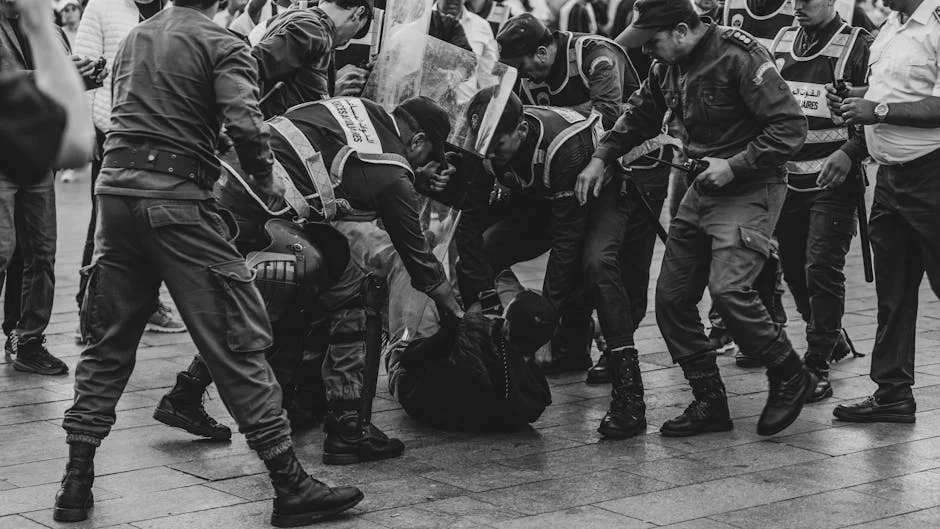
Local leaders argue that the current policing model is outdated. They point out that rural areas lack the resources available in urban centers like Durban. The gap in service delivery undermines trust between the community and law enforcement. Without urgent intervention, the situation could deteriorate further.
The murder serves as a stark reminder of the challenges facing South Africa. It is not just a local issue but a symptom of broader continental trends. Many African nations struggle with similar security deficits in their rural regions. Addressing this requires a multi-faceted approach involving both state and community efforts.
Implications for African Development Goals
This incident directly impacts the African Union’s Agenda 2063 goals. Security is a prerequisite for economic growth and social stability. When citizens feel unsafe, investment flows to safer havens, often urban centers or neighboring countries. Rural economies suffer as a result, widening the development gap.
The African Development Bank emphasizes the need for integrated security strategies. These strategies must combine technology, infrastructure, and human capital. Investing in rural policing can stimulate local economies by creating jobs and improving safety. It is a critical step toward achieving inclusive continental growth.
Furthermore, the crisis highlights the importance of good governance. Effective policing requires accountability, transparency, and community engagement. These are core pillars of the African Union’s governance framework. Strengthening these institutions is essential for long-term stability and prosperity.
Community-Led Policing Models
Community-led policing offers a promising solution to the rural security crisis. In Bhambayi, residents have formed volunteer patrols to supplement formal police forces. These patrols provide immediate response and foster a sense of ownership. However, they often lack the training and equipment needed for effective operations.
Supporting these models requires targeted investment from governments. This includes funding for training, communication devices, and protective gear. Public-private partnerships can also play a crucial role in bridging the resource gap. Collaborative efforts can enhance the effectiveness of rural security initiatives.
Economic Consequences of Insecurity
Insecurity in rural areas has profound economic implications. Small businesses in Bhambayi report a 15% decline in revenue since the surge in crime. Farmers face increased costs for security measures, reducing their profit margins. This economic strain threatens the livelihoods of thousands of rural households.
The agricultural sector, a key driver of South Africa’s economy, is particularly vulnerable. KwaZulu-Natal is a major producer of sugarcane and citrus fruits. Disruptions in production due to security concerns can affect national and even regional food supplies. Stabilizing rural security is therefore an economic imperative.
Investors are increasingly factoring in security risks when making decisions. Regions with high crime rates see a flight of capital to safer jurisdictions. This trend can lead to a brain drain, as skilled workers seek better opportunities elsewhere. Reversing this requires a concerted effort to improve safety and stability.
Policy Responses and Future Steps
The KwaZulu-Natal provincial government has announced a review of rural policing strategies. This review aims to identify gaps and propose actionable solutions. It includes consultations with community leaders, police officials, and security experts. The findings will inform future policy decisions and resource allocation.
Key recommendations include increasing police presence in rural areas. This involves recruiting more officers and deploying them strategically. Additionally, the government plans to invest in technology such as CCTV cameras and mobile patrol units. These measures aim to enhance visibility and response times.
Residents in Bhambayi are calling for greater transparency in the review process. They want to ensure that their voices are heard and their concerns addressed. Community forums have been organized to gather feedback and build consensus. This participatory approach is crucial for the success of any security reform.
Continental Lessons and Opportunities
The situation in Bhambayi offers valuable lessons for other African nations. Many countries face similar challenges in their rural regions. Learning from South Africa’s experiences can help others develop effective security strategies. Sharing best practices and innovations can accelerate progress across the continent.
Technology presents a significant opportunity to enhance rural security. Mobile apps for crime reporting and real-time tracking can improve coordination. Drones and satellite imagery can provide valuable intelligence for police operations. Embracing these technologies can transform the landscape of rural security.
Collaboration between African nations is also essential. Regional security partnerships can facilitate information sharing and joint operations. This can help tackle transnational crime and terrorism more effectively. A unified approach can strengthen the continent’s overall security posture.
The upcoming provincial budget vote will determine the level of funding for rural policing. Residents and stakeholders are watching closely to see how many resources are allocated. This decision will have a direct impact on the safety and stability of communities like Bhambayi. The next few months will be critical in shaping the future of rural security in South Africa.
Frequently Asked Questions
What is the latest news about south africas security crisis triggers urgent policing reforms?
The brutal murder of a local patroller in Bhambayi, KwaZulu-Natal, has ignited fierce debates about security governance in South Africa.
Why does this matter for economy-business?
Residents demand immediate action from the provincial government to prevent further bloodshed.
What are the key facts about south africas security crisis triggers urgent policing reforms?
The recent attack on a community patroller highlights the vulnerability of rural residents.