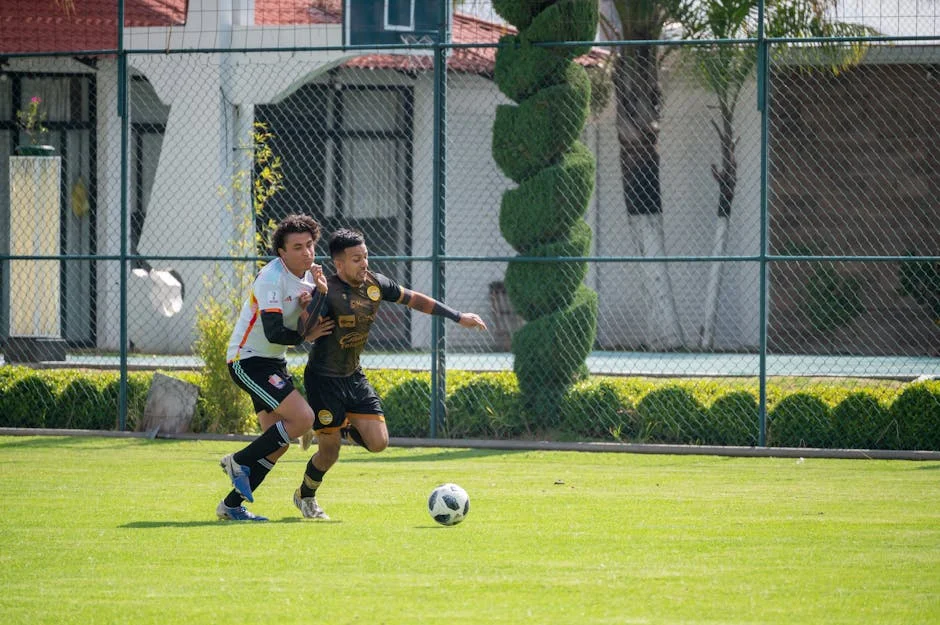
FC Barcelona played a crucial LaLiga match at El Sadar stadium in Pamplona this week, drawing massive crowds and generating significant local revenue. This event underscores the vital role of modern sports infrastructure in driving economic growth across continents. African nations can learn valuable lessons from how Spain manages these sporting assets to boost local economies.
The Economic Impact of El Sadar
El Sadar is not just a football ground; it is an economic engine for the Navarre region. The stadium, located in the city of Pamplona, hosted over 20,000 fans for the recent match against Barcelona. This influx of visitors translates directly into spending on hotels, restaurants, and transportation. Local businesses in Pamplona saw a tangible surge in turnover during the match day. Such events demonstrate how a single sporting fixture can ripple through the local economy.

African cities often underutilize their stadiums as economic hubs. Many African venues remain idle for weeks at a time, failing to generate consistent revenue. The Spanish model shows that integrating stadiums into the broader urban fabric creates sustainable income streams. Governments must view these structures as investments rather than mere concrete shells. This shift in perspective is critical for maximizing returns on public infrastructure spending.
Infrastructure Standards and Maintenance
Maintaining a world-class facility requires consistent funding and professional management. El Sadar maintains high standards that attract top-tier teams and fans alike. The quality of seating, lighting, and accessibility sets a benchmark for regional stadiums. African infrastructure projects often suffer from poor maintenance due to fragmented management structures. Learning from Spanish municipal management could improve the longevity of African sports facilities.
Comparing Management Models
Spanish clubs and municipalities often collaborate to share costs and revenues. This partnership model reduces the financial burden on any single entity. In contrast, many African stadiums are managed by state-owned enterprises with limited autonomy. These entities often struggle with bureaucratic delays and inefficient procurement processes. Adopting a hybrid management structure could enhance operational efficiency across the continent.
Investment in infrastructure is a cornerstone of the African Union's Agenda 2063. Modernizing sports facilities aligns with broader goals of improving urban living standards. Better stadiums can also serve as multi-purpose venues for concerts and conferences. This versatility ensures that the infrastructure remains relevant even when football is not in session. Diversifying usage patterns helps stabilize revenue streams for stadium operators.
Social Cohesion and Community Engagement
Football serves as a powerful tool for social cohesion in both Europe and Africa. The match at El Sadar brought together fans from diverse backgrounds, fostering a sense of community. Similar dynamics play out in African cities where football transcends ethnic and class divides. Investing in sports infrastructure can therefore yield significant social dividends beyond mere economic gains. These venues become spaces for dialogue and collective celebration.
African governments should prioritize community access to sports facilities. Restricting stadiums to elite teams can alienate the local population and reduce long-term fan loyalty. Open days and community leagues can keep the stadium vibrant throughout the year. This approach ensures that the infrastructure serves the people who funded it. Inclusive planning is essential for sustainable social development.
Challenges in African Stadium Development
Financing remains a major hurdle for infrastructure projects in Africa. Many stadiums are built with heavy reliance on foreign loans or grants. This can lead to debt burdens that outlast the initial excitement of the project. Sustainable financing models must be developed to ensure long-term viability. Public-private partnerships offer a promising avenue for sharing risks and rewards.
- High construction costs often exceed initial budget estimates
- Maintenance funds are frequently squeezed by other fiscal priorities
- Revenue generation strategies are often underdeveloped and inconsistent
Addressing these challenges requires a strategic approach to planning and execution. Governments must conduct thorough feasibility studies before breaking ground. Engaging with local communities early in the process can also help identify potential pitfalls. A data-driven approach to infrastructure development can minimize waste and maximize impact. This discipline is essential for achieving sustainable growth.
Future Opportunities for Continental Growth
The success of El Sadar offers a template for African stadium development. By focusing on efficiency, community engagement, and diverse revenue streams, African nations can transform their sports infrastructure. The upcoming Africa Cup of Nations and World Cup qualifiers present immediate opportunities for upgrade. These events can catalyze broader investments in urban infrastructure. Strategic planning now can yield dividends for decades to come.
Observers should watch for new public-private partnership announcements in key African cities. Governments in Nigeria, Kenya, and South Africa are currently reviewing their sports infrastructure strategies. These reviews may lead to significant changes in how stadiums are built and managed. The next twelve months will be critical in determining the future of African sports infrastructure. Stakeholders must act decisively to seize these opportunities for development.