Authorities in Ethiopia have arrested Yetbarek Dawit, the alleged ringleader of a large-scale human trafficking network, in a move that has sent shockwaves across the region. The operation, led by the Ethiopian National Police, resulted in the detention of 200 suspects, many of whom are believed to have facilitated the smuggling of migrants to the Middle East and North Africa. The arrest comes amid growing concerns over the exploitation of vulnerable populations and the broader implications for regional security and development.
Arrest Marks Major Blow to Human Trafficking in East Africa
The arrest of Yetbarek Dawit, a prominent figure in the trafficking network, highlights the increasing efforts by African nations to combat cross-border crimes that undermine development. Dawit, who is reportedly based in the northern region of Tigray, is accused of orchestrating the movement of thousands of Ethiopians through dangerous desert routes to countries like Sudan and Saudi Arabia. According to the Ethiopian Federal Police, the network had been operating for over a decade, with a reported 15,000 individuals affected.
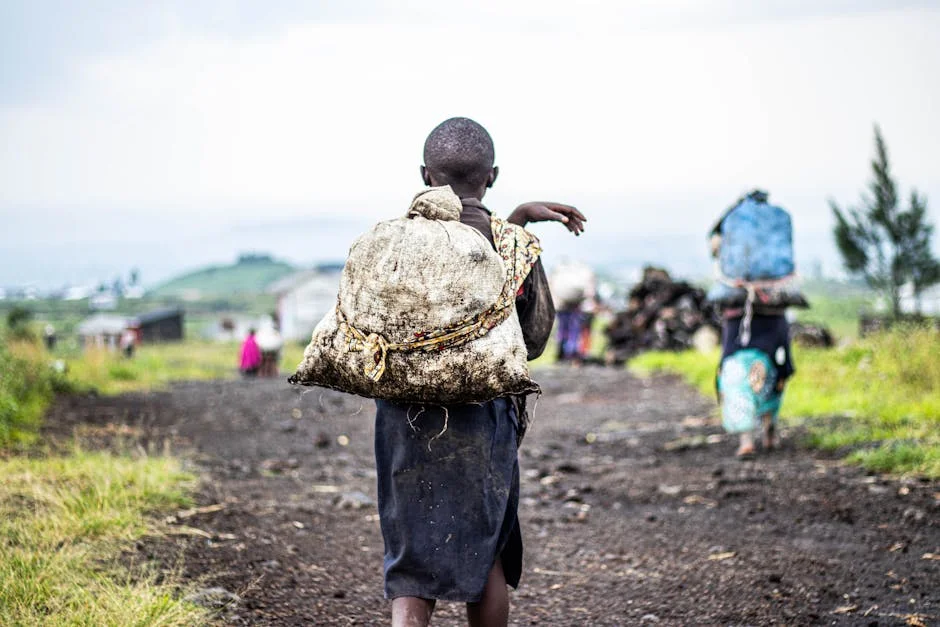
The operation, which took place in early March, involved joint efforts between Ethiopian authorities and regional partners, including Sudanese and Eritrean officials. A police spokesperson confirmed that the network had been using fake documents and bribing border officials to facilitate the smuggling. "This arrest is a major step in dismantling the trafficking infrastructure that has plagued our region for years," said the spokesperson.
Impact on Regional Development and Migration Policies
The case of Yetbarek Dawit underscores the deep-rooted challenges facing African development, particularly in the areas of migration, security, and governance. Human trafficking not only exploits individuals but also undermines the stability of entire communities. In Ethiopia, where youth unemployment remains high, many are lured by promises of better opportunities abroad, only to fall into the hands of traffickers.
Development experts argue that addressing human trafficking requires a multi-pronged approach, including improved economic opportunities, stronger border controls, and international cooperation. "The arrest of Dawit is a positive development, but it is only the beginning," said Dr. Amina Abdi, a migration policy analyst based in Addis Ababa. "Without addressing the root causes, such as poverty and lack of education, the problem will persist."
Challenges in Cross-Border Cooperation
Despite the arrest, the case also highlights the challenges of cross-border cooperation in combating trafficking. Many of the routes used by Dawit’s network pass through unstable regions, making it difficult for law enforcement to track and intercept traffickers. The Tigray region, in particular, has been affected by ongoing conflict, which has made it a hotspot for illegal activities.
Regional bodies like the African Union and the Intergovernmental Authority on Development (IGAD) have called for greater coordination between member states. However, political tensions and limited resources often hinder effective collaboration. A recent IGAD report noted that only 40% of member states have fully implemented trafficking prevention protocols.
What Comes Next for Ethiopia and the Region?
With Dawit in custody, the focus now shifts to the legal proceedings and the investigation into the full scale of the network. Ethiopian prosecutors have announced plans to charge 50 of the 200 detainees with trafficking-related offenses, with the rest facing lesser charges. The case is expected to take several months, with the possibility of international extradition for key figures operating abroad.
The arrest has also sparked a broader conversation about the role of African nations in protecting their citizens from exploitation. As the continent strives to meet the United Nations’ Sustainable Development Goals, particularly those related to poverty reduction and decent work, the fight against human trafficking remains a critical challenge. "This is a test of our commitment to human rights and development," said a UN official in Nairobi. "We must ensure that no one is left behind."
The next few weeks will be crucial as Ethiopia and its neighbors work to strengthen border controls and improve legal frameworks to prevent future trafficking. With the global spotlight on the case, the region has an opportunity to set a precedent for regional cooperation and human rights protection.
"Without addressing the root causes, such as poverty and lack of education, the problem will persist." Challenges in Cross-Border Cooperation Despite the arrest, the case also highlights the challenges of cross-border cooperation in combating trafficking. The case is expected to take several months, with the possibility of international extradition for key figures operating abroad.