The French-owned vessel *L'Émeraude* successfully navigated the Strait of Hormuz on Monday, marking a significant moment in regional maritime security as global powers monitor tensions in the area. The ship, operated by the French shipping company P&O, passed through the strait under the escort of the European Union Naval Force (EU NAVFOR), highlighting the growing European presence in the region. The event comes amid heightened concerns over the security of global trade routes, particularly for African nations that rely heavily on maritime transport for exports and imports.
Strategic Importance of the Strait of Hormuz
The Strait of Hormuz, a narrow waterway between Oman and Iran, is one of the world’s most critical oil transit routes, with nearly 20% of global oil supply passing through it daily. The recent passage of the French ship underscores the strategic role the strait plays in global trade, and its security is a key concern for African countries that depend on stable supply chains. Nigeria, for instance, imports over 70% of its fuel through maritime routes, making the stability of the strait a direct concern for the country’s energy security.
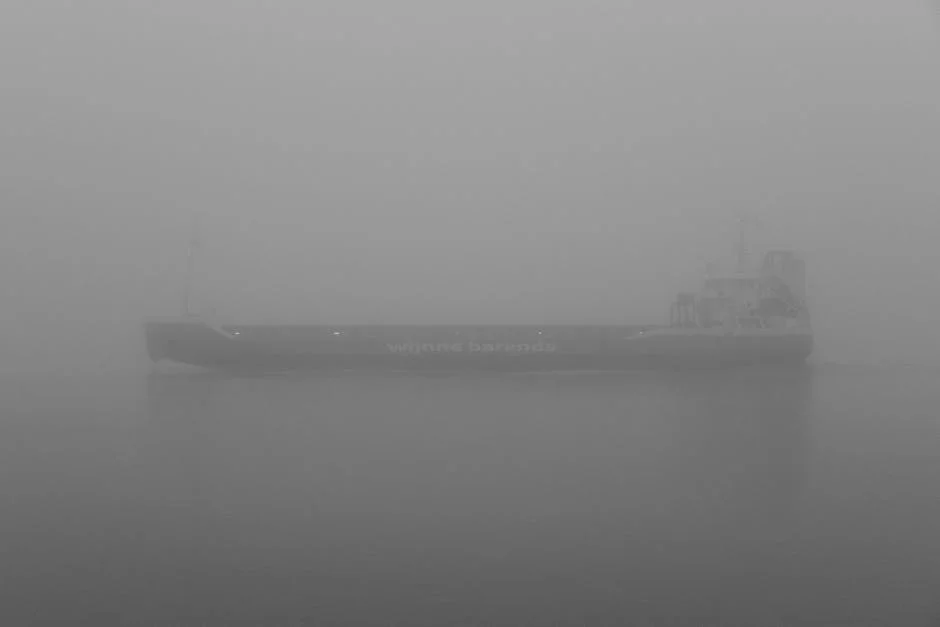
European involvement in the region has increased in recent years, with the EU deploying naval forces to protect commercial vessels and ensure freedom of navigation. The EU NAVFOR, led by Commander Sophie Lefevre, has been active in the area since 2019, responding to threats from piracy and regional conflicts. The presence of European naval forces is seen as a deterrent against potential disruptions that could affect African economies.
European Influence and African Interests
The European Union has long been a key trade and investment partner for many African nations. According to the African Development Bank, Europe accounts for nearly 20% of Africa’s total trade. The recent passage of the French ship through the Strait of Hormuz reflects the broader European strategy to maintain secure trade routes, which in turn supports African development. However, the involvement of European powers in the region also raises questions about the balance of influence and the role of African nations in shaping their own security policies.
Dr. Adebayo Adesina, a senior researcher at the African Institute for Economic Development and Planning (IDEP), notes that while European efforts to secure trade routes are beneficial, African countries must also take a more active role in ensuring their own maritime security. “Africa cannot rely solely on external actors to protect its economic interests,” he said. “We need to invest in our own naval capabilities and regional cooperation mechanisms.”
Regional Security and African Development
The security of the Strait of Hormuz is closely linked to broader African development goals, particularly in the areas of energy, trade, and infrastructure. A disruption in the strait could lead to a spike in global oil prices, which would directly impact African economies. For example, in 2021, a 10% increase in oil prices contributed to a 3% rise in inflation across several West African countries.
Moreover, the stability of the strait is crucial for the implementation of the African Continental Free Trade Area (AfCFTA), which aims to boost intra-African trade. A secure and predictable maritime environment is essential for the success of this initiative, as many African countries rely on seaports for exports of goods such as oil, minerals, and agricultural products.
What Comes Next?
As the EU continues to monitor the situation in the Strait of Hormuz, African nations are closely watching the implications for their economies. The next few weeks will be critical, as the EU NAVFOR plans to conduct further patrols in the region, and regional organizations like the African Union will likely hold discussions on how to strengthen maritime security across the continent.
For now, the passage of the French ship through the strait serves as a reminder of the interconnectedness of global trade and the importance of maintaining secure supply chains. As African countries continue to pursue economic growth and regional integration, the security of key maritime routes like the Strait of Hormuz will remain a central concern.
As African countries continue to pursue economic growth and regional integration, the security of key maritime routes like the Strait of Hormuz will remain a central concern. A disruption in the strait could lead to a spike in global oil prices, which would directly impact African economies.