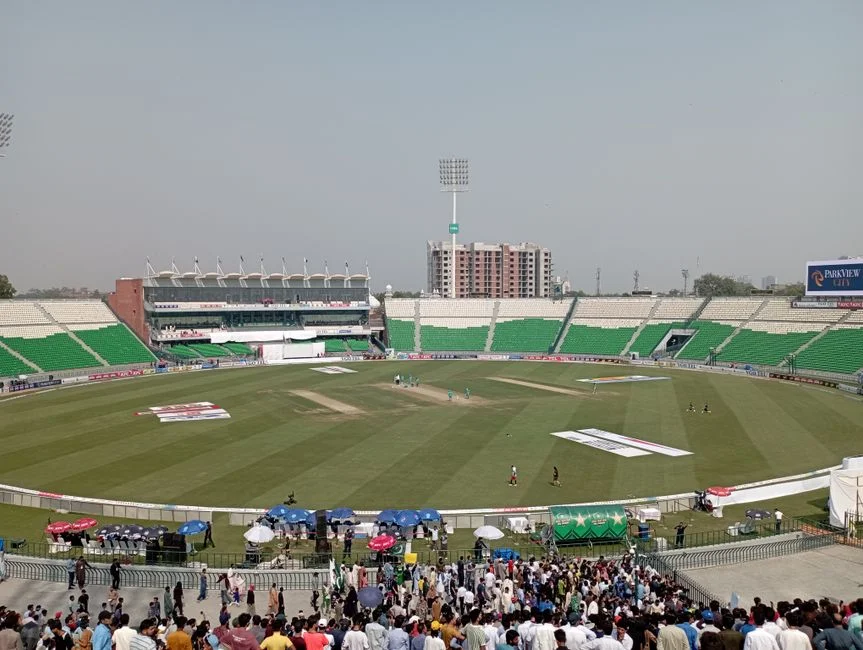
Zimbabwe emerged victorious against Bangladesh in the first T20 international of their series, hosted at the Queens Sports Club in Bulawayo on July 15, 2026. The match saw Zimbabwe clinch a win amidst a batting collapse from the Bangladesh side, with top-order batsman Hridoy expressing regret over the lack of partnerships.
Zimbabwe Secures a Solid Victory
The match unfolded with Zimbabwe showcasing a confident performance both with the bat and ball. Winning the toss, Zimbabwe elected to bat first and posted a competitive total of 165 runs for the loss of 6 wickets in their allotted 20 overs. The innings was anchored by the captain, who led from the front with a well-compiled half-century.

Bangladesh, in response, faltered under pressure and could only muster 145 runs before being bowled out. The key moment was Zimbabwe's disciplined bowling performance, which exploited the weaknesses in Bangladesh's batting line-up to seal the victory.
Historical Context of Zimbabwe vs Bangladesh Rivalry
The rivalry between Zimbabwe and Bangladesh in T20 cricket has evolved over the years. These matches are often a platform for both teams to test their skills against equally matched opponents. Historically, Bangladesh has had the upper hand, but Zimbabwe’s recent resurgence has made for a more balanced contest.
In past encounters, Bangladesh has relied heavily on their batting strength, while Zimbabwe has focused on leveraging home conditions to their advantage. Before this match, Bangladesh held a marginal lead in head-to-head T20 victories over Zimbabwe, making this win a significant morale booster for the hosts.
Significance of This Match
This victory is not just a sporting achievement but holds economic and social significance for Zimbabwe. Cricket matches like these attract tourism and increase the visibility of the country on a global sporting stage. The Queens Sports Club, located in Bulawayo, also benefits from increased foot traffic and media attention, which aids the local economy.
For Zimbabwe, improving its standing in international cricket is crucial. A consistent track record can lead to more sponsorship deals, better player development systems, and increased investment in sports infrastructure. This, in turn, boosts national pride and provides an aspirational platform for young athletes.
Key Players and Their Contributions
The standout performers for Zimbabwe included the captain, whose leadership and performance with the bat were pivotal. Additionally, the bowling attack executed their plans perfectly, with each bowler contributing to Bangladesh’s downfall.
On the other hand, Bangladesh's players struggled to form the necessary partnerships. Hridoy, a key player, lamented the lack of cohesive batting efforts, which ultimately led to their subpar performance. This collapse highlighted gaps in Bangladesh’s batting strategy that they need to address in future matches.
Reactions from Stakeholders
The victory was celebrated by Zimbabwean cricket fans and garnered positive reactions from local authorities who see sports as a means of fostering unity and national cohesion. The local media praised the team for their strategic gameplay and resilience.
Conversely, Bangladesh's performance was met with criticism from their supporters, and analysts called for introspection and strategic changes. The coach mentioned the need for a fresh approach in upcoming games to prevent such collapses from recurring.
Implications for Regional Cricket
This match reflects broader trends in African cricket, where nations like Zimbabwe are working hard to assert themselves on the global stage. The successful hosting of international matches demonstrates Zimbabwe’s capability to attract and manage large sporting events, which could pave the way for more such opportunities.
Furthermore, regional cricket associations can take cues from Zimbabwe’s emphasis on nurturing local talent and developing competitive teams that can contend against traditionally stronger nations like Bangladesh.
What Lies Ahead
Looking forward, both teams will need to regroup quickly as they prepare for the second T20 match. Bangladesh will be keen to level the series and will likely implement strategic changes to their lineup. Zimbabwe, buoyed by their victory, will aim to maintain their momentum and secure a series win.
Cricket enthusiasts should watch for potential lineup changes and strategic shifts in both teams. The outcome of the next match could significantly influence the dynamics of the series and set the tone for subsequent encounters between these two cricketing nations.
See Also
- Trump Bars Netanyahu From Bombing Lebanon Amid Escalating Conflict
- China Launches Nova Nuclear Plant in Gansu Amid Energy Push
The local media praised the team for their strategic gameplay and resilience.Conversely, Bangladesh's performance was met with criticism from their supporters, and analysts called for introspection and strategic changes. The coach mentioned the need for a fresh approach in upcoming games to prevent such collapses from recurring.Implications for Regional CricketThis match reflects broader trends in African cricket, where nations like Zimbabwe are working hard to assert themselves on the global stage.