Nigeria's ambition to enhance its economic landscape received a significant boost with the recent unveiling of a logistics park initiative, aimed at addressing critical infrastructural gaps across the nation. The plan, announced by Minister of Transportation Mu'azu Jaji Sambo in Lagos last week, seeks to establish various logistics hubs to streamline supply chains and bolster trade.
Understanding the Logistics Challenge in Nigeria
Nigeria's logistics sector has long struggled with inefficiencies and outdated infrastructure. According to a recent World Bank report, logistics costs in Nigeria account for approximately 35% of the total cost of goods sold, compared to about 10% in developed nations. This discrepancy has stifled economic growth and discouraged foreign investment.
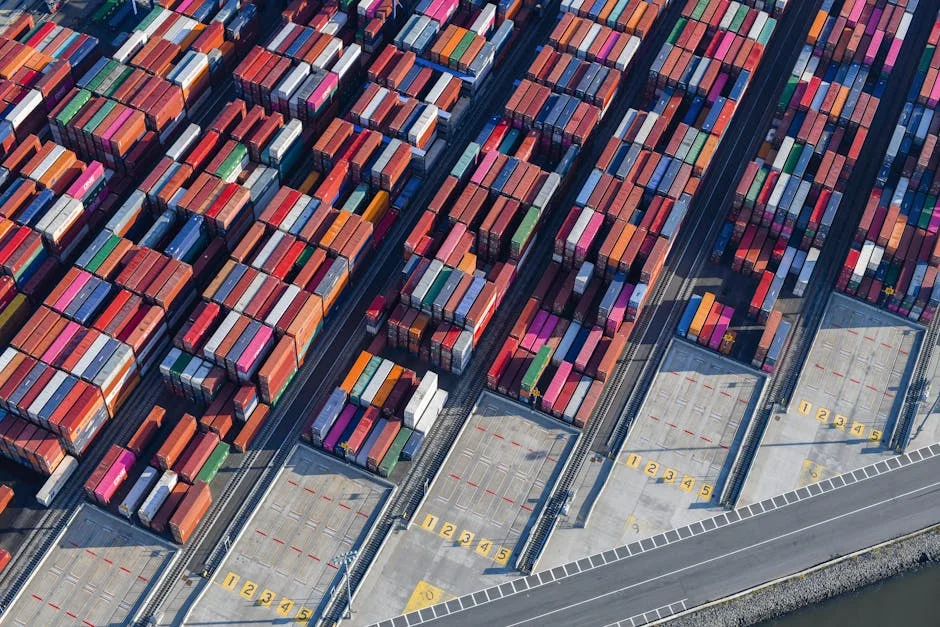
The poor state of roads, railways, and ports has exacerbated these challenges. Major cities like Lagos and Kano experience congestion, leading to delays and increased transportation costs. The new logistics parks aim to mitigate these issues by providing modern facilities that can handle goods more efficiently, thus improving supply chain operations.
Strategic Locations for Economic Impact
The logistics parks are set to be strategically located in key economic zones, including Lagos, Abuja, and Port Harcourt. Each site will be equipped with state-of-the-art technology and services designed to facilitate freight movement. By concentrating resources and infrastructure in these areas, Nigeria hopes to significantly reduce logistical bottlenecks.
“This initiative is not just about building parks; it’s about transforming how we do business in Nigeria,” Minister Sambo stated during the launch. The government aims to attract both local and international investors to participate in this transformative project.
Investment and Expected Returns
The logistics parks initiative is projected to attract an initial investment of $1 billion within the next five years. This funding will be channeled into developing infrastructure and technology, which experts believe is necessary for Nigeria to keep pace with global trade standards.
Moreover, the venture is expected to create thousands of jobs across various sectors, from construction to logistics management. The government anticipates that efficient logistics will lead to a notable increase in trade volumes, potentially raising Nigeria's GDP by 2% by 2025.
Challenges and Long-Term Goals
While the initiative has been met with enthusiasm, significant challenges remain. Issues such as bureaucracy, corruption, and inadequate financing could hinder implementation. Critics warn that without strong governance and transparent processes, these logistics parks may not achieve their full potential.
The Nigerian government, however, remains optimistic. The initiative aligns with the African Union's Agenda 2063, which prioritises infrastructure development as a cornerstone for economic transformation across the continent. By investing in logistics, Nigeria is not only addressing its domestic challenges but also positioning itself as a critical player in regional trade.
A Collaborative Approach
To maximise the success of the logistics parks, collaboration between the public and private sectors is essential. The government plans to engage with international logistics firms and local entrepreneurs to foster innovation and share best practices.
The Nigerian Ports Authority (NPA) has already begun discussions with several global logistics companies to facilitate knowledge transfer and expertise sharing. This strategic partnership approach aims to ensure that the logistics parks operate at international standards.
What's Next for Nigeria's Logistics Landscape?
The government aims to break ground on the first logistics park by early 2024, with plans for subsequent parks to follow based on demand and investment. Stakeholders are urged to prepare for upcoming consultations and investment opportunities as the initiative progresses.
The success of these logistics parks could serve as a model for other African nations grappling with similar infrastructural challenges. As Nigeria embarks on this ambitious journey, it will be essential to monitor developments closely, as they may shape the future of trade and economic growth across the continent.
See Also
- Estado Announces Sale of Five Properties: Aiming for 17.9 Million Revenue Boost
- Nigeria Unveils Centre of Excellence in Nutraceuticals: A Boost for Health and Economy