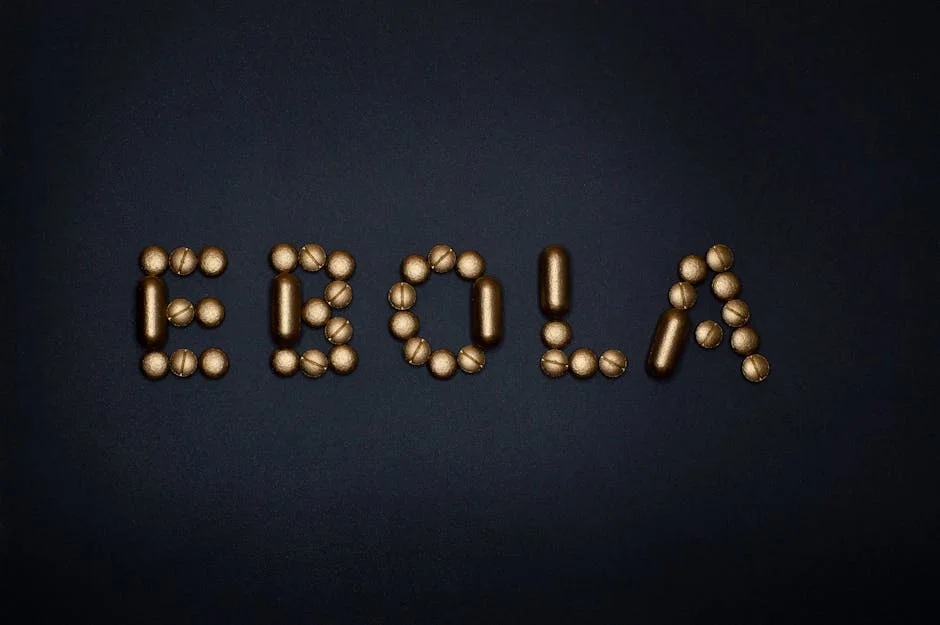
The recent spike in Ebola cases in the Democratic Republic of Congo (DRC) has raised urgent questions about the impact of US aid cuts on health initiatives in Central Africa. In the past few months, the DRC has reported over 100 confirmed cases, a significant rise from previous years, indicating a troubling trend that health officials are struggling to contain.
US Funding Cuts and Their Impact
In 2023, the US government implemented a $1.5 billion reduction in foreign aid, which included crucial support for health programs aimed at combating infectious diseases like Ebola. This decision by the US State Department has sparked criticism from health advocates who argue that the cuts have hampered outbreak response efforts in vulnerable regions.
Health Ministry officials in the DRC assert that the lack of funding has severely affected their ability to conduct vaccinations and contact tracing effectively. The World Health Organization (WHO) noted that vaccination campaigns have faltered, with only 60% of at-risk populations vaccinated in recent months, compared to nearly 90% prior to the cuts.
Ebola’s Unrelenting Spread
The Ebola outbreak in the DRC, particularly in the North Kivu province, has put immense pressure on local healthcare systems. Hospitals are quickly becoming overwhelmed, with insufficient resources to manage the influx of patients. Reports indicate that at least 15 health workers have contracted the virus while trying to treat infected patients, further straining an already limited workforce.
In Uganda, neighbouring the DRC, authorities are on high alert as they prepare for potential cross-border transmission. The Ugandan Ministry of Health has allocated $500,000 for emergency response strategies, but experts believe far more is necessary to prevent an outbreak.
Historical Context of Ebola Outbreaks
This is not the first time Ebola has ravaged communities in Central Africa. The DRC has experienced over ten outbreaks since 1976, with varying degrees of severity. Notably, the 2018 outbreak in North Kivu resulted in over 2,200 confirmed cases, prompting international agencies to respond with robust funding and support.
The stark contrast between past responses and the current situation highlights the potential risks associated with financial cuts. Without adequate funding, lessons learned from previous outbreaks may go unheeded, which could lead to catastrophic consequences for affected populations.
Development Goals at Risk
The ongoing health crisis poses significant challenges to the African development goals aimed at improving healthcare and combating infectious diseases. The African Union has set clear targets for health coverage and responses to epidemics; however, the current outbreak jeopardises these commitments.
Experts warn that underfunding in health initiatives may hinder progress toward the Sustainable Development Goals (SDGs), specifically Goal 3, which aims to ensure healthy lives and promote well-being for all. The DRC, with its extensive needs, is at a critical juncture where prioritising health spending is essential for future stability.
International Response and Local Action
In light of the escalating crisis, there is increasing pressure on international bodies to reassess their funding priorities. The WHO has called for an emergency meeting to discuss the situation and to mobilise additional resources. Meanwhile, local NGOs are stepping up to fill the gaps, relying on community support to facilitate education and prevention.
Organizations such as Médecins Sans Frontières (Doctors Without Borders) have launched initiatives to provide temporary clinics in affected areas, focusing on rapid response and containment measures. However, sustaining these efforts depends heavily on external funding and resources.
Looking Ahead: What to Watch For
The DRC's health crisis is a vivid illustration of how financial decisions at the global level can have serious repercussions for public health within nations. As the situation develops, upcoming discussions at the United Nations General Assembly may address the need for renewed commitments to health funding in Africa.
Health advocates are urging for increased international collaboration to tackle the outbreak, calling for an immediate reassessment of aid to ensure adequate resources are available. The coming months will be crucial in determining the extent of the outbreak and the effectiveness of response measures.
See Also
- Iran's Mojtaba Khamenei Faces Health Crisis — What It Means for Africa
- UK Launches Historic Covid Inquiry — and Nigeria Is Watching
Without adequate funding, lessons learned from previous outbreaks may go unheeded, which could lead to catastrophic consequences for affected populations.Development Goals at RiskThe ongoing health crisis poses significant challenges to the African development goals aimed at improving healthcare and combating infectious diseases. The African Union has set clear targets for health coverage and responses to epidemics; however, the current outbreak jeopardises these commitments.Experts warn that underfunding in health initiatives may hinder progress toward the Sustainable Development Goals (SDGs), specifically Goal 3, which aims to ensure healthy lives and promote well-being for all.
What is the latest news about us aid cuts fuel ebola resurgence in congo whats next for health efforts?
Why does this matter for health-medicine?
What are the key facts about us aid cuts fuel ebola resurgence in congo whats next for health efforts?