Nigeria faces a silent epidemic that threatens to derail its human capital development goals. The lack of standardized autism diagnosis across the continent leaves millions of children without essential care. This gap undermines educational outcomes and economic productivity for African nations striving for modernization.
The Scale of the Undiagnosed Crisis
The number of children with autism spectrum disorder in Africa is staggering yet remains largely unquantified. Estimates suggest that one in every one hundred children in Nigeria may have autism, yet fewer than ten percent receive a formal diagnosis. This statistical disparity highlights a critical failure in public health infrastructure across West Africa.
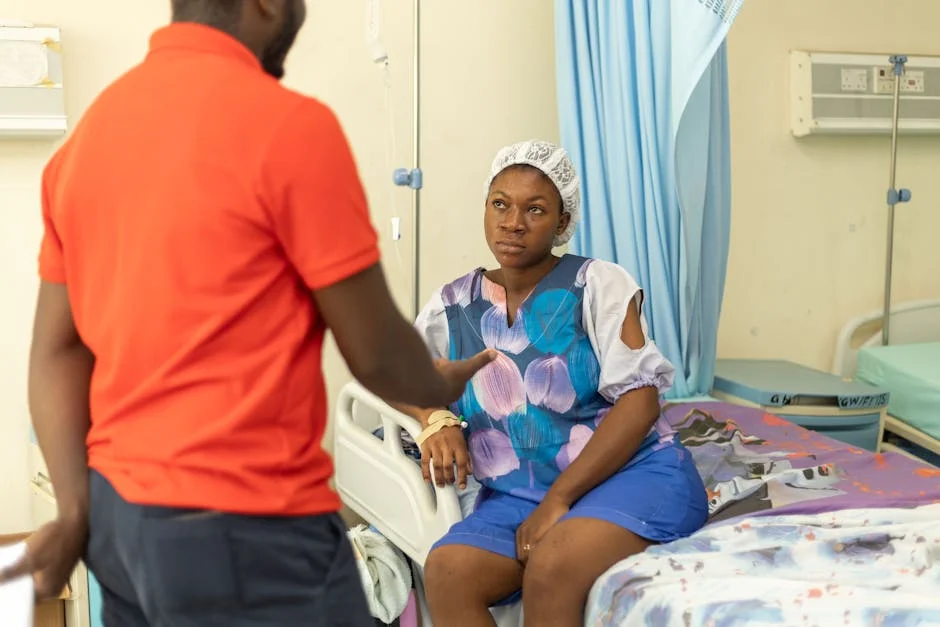
Lagos represents a microcosm of this continental challenge. In this commercial hub, parents often wait years for a definitive answer from medical professionals. The delay in identification means that early intervention, which is crucial for neurodevelopmental progress, is frequently missed. This situation creates a bottleneck in the pipeline of African talent.
Without accurate data, policymakers in Abuja struggle to allocate resources effectively. The absence of a centralized registry for neurodevelopmental disorders means that funding often follows visible crises rather than persistent needs. This reactive approach to health governance hinders the achievement of Sustainable Development Goal 3.
Infrastructure Gaps in Urban Centers
Healthcare infrastructure in major cities like Accra and Nairobi shows promise but remains fragmented. Specialized clinics exist, but they are often concentrated in private sectors, making them inaccessible to the majority of the population. This privatization of care exacerbates existing socioeconomic inequalities within African urban centers.
In Nigeria, the federal ministry of health has recognized the need for integrated care models. However, the implementation of these models faces logistical hurdles. Rural areas, where the majority of Africans reside, suffer from a severe shortage of pediatric neurologists and child psychologists. This urban-rural divide is a significant barrier to equitable development.
Barriers to Effective Screening
Screening tools used in Western contexts are not always culturally relevant to African families. Standardized tests may not account for linguistic diversity or social norms that influence child behavior. Adapting these diagnostic instruments requires investment in local research and data collection efforts. Without localization, misdiagnosis rates remain high.
Transportation costs also act as a formidable barrier for families seeking diagnosis. For a household in a peri-urban area of Kano, the cost of traveling to a specialist in the city center can consume a week’s income. This financial burden forces many families to delay or forgo medical evaluation entirely.
Education Systems Struggle to Adapt
The education sector in Africa is under immense pressure to accommodate neurodiverse students. Most primary schools in Kenya and Ghana operate with large class sizes, often exceeding forty students per teacher. This environment leaves little room for the individualized attention that autistic children typically require to thrive academically.
Teachers often lack specific training in special needs education. A study conducted in South Africa revealed that fewer than twenty percent of primary school teachers felt confident in managing autistic students. This knowledge gap leads to behavioral issues being misinterpreted as discipline problems, resulting in higher dropout rates.
Integrating special education into the mainstream curriculum is a development priority for many African governments. However, without sustained funding and teacher training programs, these initiatives risk becoming paper exercises. The goal of inclusive education remains distant for millions of children across the continent.
Economic Implications for African Growth
Autism is not just a health issue; it is an economic one. When children with autism are not properly diagnosed and supported, their potential contribution to the workforce diminishes. Africa’s demographic dividend relies on maximizing the productivity of its young population. Leaving a segment of this population underutilized represents a significant economic loss.
The cost of care falls heavily on families, reducing their disposable income and ability to invest in other areas. This financial strain can perpetuate cycles of poverty within affected households. Furthermore, the lack of adult services means that parents often have to reduce their working hours to care for their children, impacting household earnings.
Investing in autism care yields long-term economic returns. Early intervention reduces the need for more intensive support later in life. It also enables autistic individuals to enter the workforce, bringing diverse skills and perspectives to African industries. This aligns with broader goals of economic diversification and innovation.
Organizational Efforts and Advocacy
Organizations like Africa Autism are working tirelessly to bridge the gap between diagnosis and care. These groups provide resources, training, and advocacy to influence policy changes at national and continental levels. Their efforts are crucial in raising awareness among stakeholders who traditionally overlook neurodevelopmental disorders.
Collaboration between governments and non-governmental organizations is increasing. In Uganda, partnerships have led to the establishment of community-based support groups for parents. These groups provide a network of shared experiences and practical advice, reducing the isolation often felt by families. Such models offer a scalable approach to community health engagement.
Advocacy also plays a vital role in shaping public perception. Reducing stigma is essential for encouraging families to seek help. Public campaigns in Nigeria have begun to feature stories of autistic individuals, helping to normalize neurodiversity. This shift in public opinion is a prerequisite for sustained policy support and funding.
Policy Recommendations for Development
African governments must prioritize autism care within their national health strategies. This includes funding for research to establish baseline data on prevalence. Accurate data is the foundation of effective policy-making and resource allocation. Without it, interventions are often based on assumptions rather than evidence.
Investment in teacher training is another critical area. Integrating special needs education into pre-service and in-service training programs can equip educators with the necessary skills. This investment enhances the quality of education for all students, not just those with autism, thereby boosting overall human capital development.
Public-private partnerships can help expand access to care. Engaging the private sector can bring innovation and efficiency to service delivery. Governments can offer incentives for private clinics to provide subsidized rates for low-income families. This collaborative approach can help bridge the gap between demand and supply.
Future Steps and Monitoring
The path toward better autism care in Africa requires sustained commitment. Stakeholders must monitor the implementation of new policies and adjust strategies based on outcomes. Regular reviews of health and education data will help identify gaps and measure progress. This continuous improvement process is essential for long-term success.
Readers should watch for upcoming legislative sessions in key African parliaments. Many countries are drafting bills to formalize the rights of persons with disabilities, including those on the autism spectrum. These legislative actions will determine the level of government support and funding available in the coming years. The next six months will be critical for policy adoption.
See Also
- Donald Trump Demands ABC News Fire Jimmy Kimmel — 'People Are Angry'
- Six African Athletes Blocked From Transfers to Turkey