The Nigerian Upstream Petroleum Regulatory Commission (NUPRC) has confirmed a stark discrepancy in the nation's oil supply chain, revealing that less than half of the crude oil owed to domestic refineries actually reached the barrels in the first quarter. This shortfall threatens to undermine the government’s ambitious plan to reduce fuel imports and stabilize prices across West Africa.
The Scale of the Shortfall
Data released by the regulator shows that out of a total of 61.9 million barrels of crude oil allocated to local refineries, only 28.5 million barrels were physically delivered. This means that nearly 33.4 million barrels remained in storage or were diverted, leaving key facilities in Lagos, Port Harcourt, and Warri operating below capacity. The gap between obligation and delivery highlights a persistent structural weakness in Nigeria’s energy sector.
This statistic is not merely an accounting error; it represents a tangible loss of potential revenue and efficiency for the continent’s largest oil producer. When refineries run at half-capacity, the cost per barrel of refined product rises, directly impacting the wallet of the average Nigerian consumer. The NUPRC’s findings expose the fragility of the Domestic Crude Supply Obligation (DCSO) mechanism, which was designed to ensure that upstream producers prioritize local processing over immediate export.
The implications extend beyond Nigeria’s borders. As Africa seeks to leverage its natural resources for broader development goals, Nigeria’s ability to consistently supply its own refineries serves as a test case for continental energy independence. If the largest producer cannot guarantee supply to its own gates, smaller producers face even greater vulnerabilities in their value chains.
Impact on Domestic Fuel Prices
The direct consequence of this supply gap is the continued volatility in Premium Motor Spirit (PMS) prices. Despite the introduction of the DCSO, Nigeria still imports significant volumes of diesel and petrol, exposing the local economy to global price shocks. The NUPRC report indicates that without consistent crude flow, refineries must rely on spot purchases, which are often more expensive and less predictable than contracted supplies.
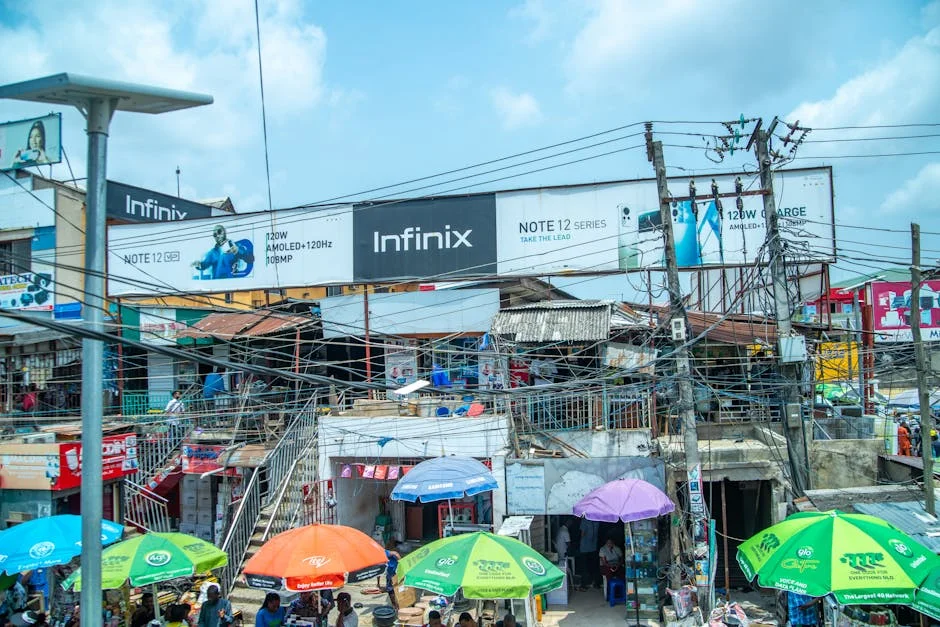
In Lagos, the commercial nerve center of West Africa, fuel prices have remained stubbornly high due to these supply inconsistencies. Traders in the Mile 3 depot have reported frequent stock-outs, leading to long queues and inflated prices for end-users. This instability hampers transportation costs, which in turn affects the price of food and manufactured goods across the country. The ripple effect touches every sector of the economy, from agriculture to construction.
For African development, stable energy prices are a prerequisite for industrial growth. High fuel costs act as a tax on production, making Nigerian goods less competitive in regional markets such as the African Continental Free Trade Area (AfCFTA). If Nigeria cannot stabilize its internal energy market, it sets a challenging precedent for other African nations looking to integrate their economies.
Challenges in the Supply Chain
Several factors contribute to the failure of the DCSO. One major issue is the liquidity crisis facing many oil marketing companies (OMCs) and upstream producers. Many companies struggle to pay for the crude they are owed, leading to delays in delivery. Additionally, infrastructure deficits, including aging pipelines and storage tanks, cause bottlenecks that slow down the movement of crude from the wellhead to the refinery gate.
Corruption and inefficiency also play a role in the diversion of crude oil. Some producers have been known to divert high-quality crude to the export market when global prices surge, leaving lower-quality or fewer barrels for local refineries. This behavior undermines the trust required for a stable domestic energy market. The NUPRC has called for stricter enforcement of contracts to curb these practices.
Nigeria’s Role in African Energy
Nigeria’s energy sector is a microcosm of broader African development challenges. The country sits on vast reserves of oil and gas, yet it continues to import significant amounts of refined products. This paradox highlights the need for value addition and industrialization across the continent. By refining its own crude, Nigeria can capture more value from its resources, creating jobs and generating foreign exchange.
The success or failure of Nigeria’s refineries has implications for the entire West African region. Neighboring countries such as Ghana, Benin, and Cameroon often rely on Nigerian diesel imports. If Nigeria’s supply becomes more consistent, it could stabilize energy prices across the Economic Community of West African States (ECOWAS). This regional stability is crucial for attracting foreign direct investment and fostering economic growth.
From a pan-African perspective, Nigeria’s experience offers valuable lessons for other resource-rich nations. The country’s struggle to implement the DCSO demonstrates the importance of policy consistency and infrastructure investment. African leaders must prioritize building resilient energy systems that can withstand global market fluctuations and internal logistical challenges.
The Path to Energy Independence
Achieving energy independence requires more than just policy declarations. It demands concrete actions to improve infrastructure, enhance regulatory oversight, and foster public-private partnerships. The NUPRC has proposed several measures to address the current shortfall, including the introduction of digital tracking systems to monitor crude movement and the imposition of penalties for non-compliance.
Investment in storage facilities and pipeline networks is also critical. Many refineries suffer from a lack of adequate storage, which leads to congestion and delays. By expanding storage capacity, Nigeria can ensure a smoother flow of crude from upstream producers to downstream processors. This investment will require significant capital, but the long-term returns in terms of economic stability and growth are substantial.
Furthermore, diversifying the energy mix can reduce the pressure on crude oil. Investing in natural gas, solar, and hydroelectric power can provide alternative sources of energy for industries and households. This diversification will make Nigeria’s energy sector more resilient to global oil price shocks and reduce the carbon footprint of the economy. Such steps align with the broader African Union Agenda 2063, which emphasizes sustainable development and economic transformation.
What to Watch Next
The coming months will be critical for testing the effectiveness of the NUPRC’s interventions. Stakeholders will be watching to see if the second quarter delivers a higher percentage of crude to local refineries. The regulator has set a target of increasing the delivery rate to at least 60% by the end of the year, a goal that will require coordinated efforts from all players in the value chain.
Investors and policymakers should also monitor the upcoming review of the Domestic Crude Supply Obligation. This review will determine whether the current mechanism is fit for purpose or if it needs significant adjustments to address the emerging challenges. The outcome of this review will have far-reaching implications for Nigeria’s energy sector and its position in the African market.
Ultimately, the story of Nigeria’s crude oil supply is a story of potential versus reality. With the right policies, investments, and execution, Nigeria can transform its energy sector into a powerhouse of African development. The next quarter will provide the first clear indicators of whether this transformation is truly underway or if the country remains stuck in a cycle of promise and shortfall.
See Also
- Portugal Expands Emergency Measures as Severe Weather Affects 90 Areas
- Pakistan Cricket Team Slams Marnus Labuschagne's Peace Gesture Amid PSL Controversy